
A devastating high-speed train collision in Spain that killed at least 39 people and injured 152 others has raised serious questions about railway safety standards and infrastructure management in a nation that prides itself on modern transportation systems.
Story Highlights
- At least 39 confirmed dead, 152 injured in high-speed train collision near Adamuz, Spain
- Derailed train crossed into adjacent track, striking second train in “extremely strange” accident
- The crash occurred on a recently renovated track section completed just eight months ago
- Transport minister calls incident unexplainable, raising concerns about safety protocols
Deadly Collision Rocks Spanish Rail Network
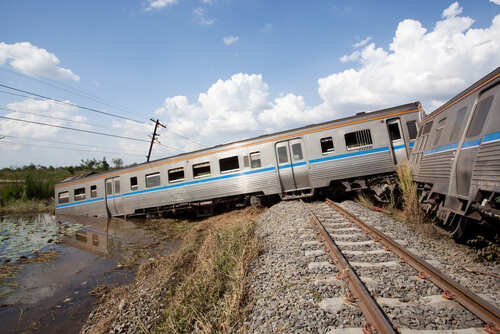
Two high-speed trains collided near Adamuz in southern Spain on Sunday, January 18, 2026, creating one of the nation’s deadliest rail disasters in recent memory. The Málaga-to-Madrid train operated by Iryo derailed and crossed into an adjacent track, striking a Madrid-to-Huelva train head-on.
Spanish Transport Minister Oscar Puente confirmed the death toll climbed from an initial 21 to at least 39 fatalities, warning the number remained preliminary. Emergency crews worked through the night under difficult conditions to rescue survivors and recover victims from the wreckage.
🔴A collision between two high-speed trains in Spain killed 39 people and injured more than 70.
🇪🇸 Rail operator Iryo said around 300 people were on board its Malaga-Madrid service.
Watch the video for more 👇 pic.twitter.com/THVr8vlFAi
— FRANCE 24 English (@France24_en) January 19, 2026
Troubling Questions About Infrastructure Safety
Transport Minister Puente described the accident as “extremely strange” and “very difficult to explain,” raising immediate concerns about what went wrong with Spain’s supposedly advanced rail safety systems. The collision occurred on a straight stretch of track that had undergone extensive renovation work completed just eight months prior in May 2025.
The fact that a relatively new Iryo high-speed train derailed on recently renovated infrastructure suggests potential failures in either construction quality, maintenance protocols, or safety monitoring systems that demand thorough investigation.
Emergency Response and System Shutdown
Spanish authorities suspended all train service between Madrid and the Andalusia region as rescue crews worked to clear the scene and begin their investigation. Of the 152 injured passengers, 75 required hospitalization, with 15 listed in very serious condition and five fighting for their lives.
The Iryo train carried approximately 300 passengers at the time of the derailment. Spain’s prime minister planned to visit the crash site to assess the situation firsthand and coordinate the government’s response to this transportation crisis.
Corporate Response and Accountability Questions
Iryo, the private company operating the derailed train, issued a statement expressing regret and confirming activation of emergency protocols while working with authorities.
However, the company’s assurances ring hollow when basic safety systems apparently failed to prevent a modern high-speed train from derailing on straight, recently renovated track.
This incident highlights concerns about the privatization of critical infrastructure and whether profit-driven operators maintain the same rigorous safety standards as government-controlled systems.
The investigation must determine whether cost-cutting measures or inadequate oversight contributed to this preventable tragedy that has devastated dozens of families.