
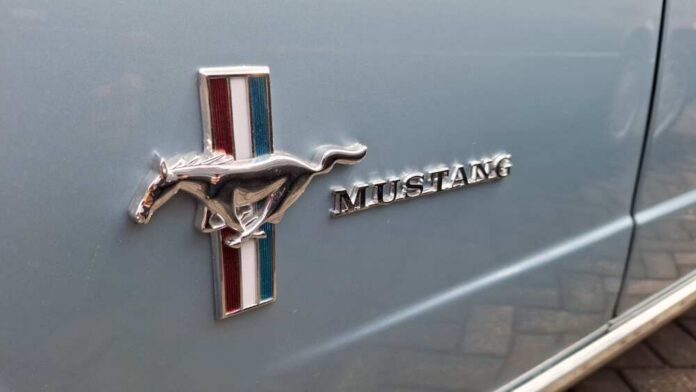
Ford’s latest Mustang recall is a reminder that small parts can create big safety trouble.
Quick Take
- Ford said more than 110,000 Mustang, Mustang GTD, and Mustang Mach-E vehicles need repairs for two separate defects.
- One recall covers windshield wipers that can fail in cold weather and leave drivers with poor visibility.
- The other recall covers a rear drivetrain part that can fracture and affect drive power or vehicle control.
- Ford says dealers will fix the problem free of charge for owners.
What Ford Recalled
Ford is dealing with two related but separate safety campaigns tied to Mustang nameplates. The larger one covers 67,842 Mustang and Mustang GTD vehicles with windshield wiper and washer problems.
The second covers 42,784 Mustang Mach-E vehicles with a rear differential pinion shaft defect that can fracture.
Ford recalls over 110,000 Mustang vehicles over potentially dangerous defects https://t.co/5yNQfO89eh pic.twitter.com/K2sc2APnFv
— New York Post (@nypost) July 7, 2026
The numbers matter because this is not a single bad batch. There are two defects in two different systems, on two different electric and gas performance lines.
That makes the recall feel less like a one-off mistake and more like a warning about the costs of complex vehicle design. The wiper issue can cut visibility. The drivetrain issue can affect motion itself. That is a far more serious combination than a simple convenience defect.
Why The Wiper Defect Is A Bigger Deal Than It Sounds
The wiper problem shows how a cold-weather failure can turn into a real road hazard. According to the recall report, the vehicle’s wiper motor may lose communication with the steering column control module at temperatures of 32 degrees Fahrenheit or below. When that happens, the wipers may only run at high speed, and the washer system may stop working.
Ford says the cause traces back to a supplier error involving the wrong equipment setting for a semiconductor chip used in the wiper motor. That is the kind of failure that sounds small in a lab and feels huge on a dark highway. If spray, slush, or ice blocks a driver’s view, even a strong car becomes risky.
The Drivetrain Recall Raises The Stakes
The rear drivetrain recall is the more serious mechanical threat. The rear differential pinion shaft can fracture, which can lead to a loss of drive power or make a parked vehicle move if the parking brake is not engaged.
That is not a cosmetic defect. It affects whether the car can remain under control when the driver expects it to.
Ford says owners will not pay for the repair. Dealers will inspect the vehicles and replace the affected parts at no charge. That promise is standard in a recall, but it does not shrink the problem. It only means the repair bill shifts from the owner back to Ford, where it belongs.
What The Recall Says About Ford Right Now
This recall lands in a bad place for Ford’s image. The Mustang is one of the company’s most watched nameplates, and the Mustang GTD sits at the top of the performance ladder.
When a halo car gets recalled for its wipers, the story reaches far beyond the affected owners. It touches the brand’s reputation for engineering discipline, not just its sales numbers.
Ford recalls more than 110,000 Mustang vehicles over windshield wiper, drivetrain defects
Ford's 2 separate recalls affect Mustang, Mustang GTD and Mustang Mach-E vehiclesFord is recalling more than 110,000 vehicles in the U.S. across two separate safety campaigns after… pic.twitter.com/MkYD3dQQI9
— News News News (@NewsNew97351204) July 7, 2026
The public reaction also follows a familiar pattern. Safety recalls draw fast headlines because they are easy to understand and easy to fear. A damaged wiper system and a fractured drivetrain part both create clear risk pictures.
That is why these stories travel quickly, especially when regulators and automakers are already under pressure to prove they catch defects before drivers do.
The Part That Still Matters Most
Ford’s free repair promise is important, but the deeper question is how these defects made it onto the road in the first place. Public documents in this case show the official recalls and the fault descriptions.
They do not show the full internal story of when Ford first knew, how long the issue lasted, or how quickly it moved from complaint to campaign. That missing timeline is where many recall stories keep their sharpest edges.
For owners, the practical step is simple. Check whether the vehicle is covered, then get the fix as soon as Ford says parts are ready. For everyone else, this recall is another sign that modern cars can hide serious problems in very ordinary places.
A wiper motor, a seam seal, a differential shaft. Each one looks minor until the wrong weather, speed, or load turns it into the whole story.
Sources:
foxbusiness.com, nypost.com, ford.com