

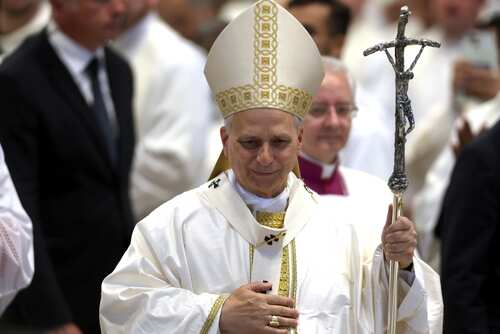
Pope Leo XIV’s medical team dropped a bombshell about his lung cancer after surgery that removed the affected lobe.
Story Snapshot
- Doctors confirmed a localized lung adenocarcinoma; no extra therapy is planned now.
- Surgeons removed the lower lobe of the right lung at Rome’s Gemelli Hospital.
- The operation was successful and without complications, and recovery signs were strong.
- The operating surgeon said there is no clinical reason to cancel the Pope’s planned trip.
The medical facts the Vatican put on the record
The Holy See Press Office relayed the doctors’ conclusion: the tumor was a pulmonary adenocarcinoma, the disease was localized, and an oncologist advised that no further treatment is necessary now. The team reached that conclusion after surgery and review. This language points to a common path for early lung cancer: remove the diseased lobe and monitor. It does not promise zero risk forever. It states where things stand today based on current evidence and standard care practice.
Surgeons at Gemelli Hospital removed the lower lobe of Pope Leo’s right lung on October 13 and reported no complications. The Holy See described the operation as successful and routine for a tumor of that size, which tracks with how surgeons manage early lung cancer. Removing an entire lobe often offers the best shot at cure when the disease has not spread. That approach aims to clear the tumor and any nearby tissue most likely to harbor stray cells.
Recovery measures that signal a stable course
Hospital updates after surgery described normal test values, steady recovery, and the basics that matter most early on: eating, walking, and doing breathing exercises. These markers suggest the lungs are working well and the body is healing on schedule. Vatican News later reported discharge after routine blood tests and a chest X-ray supported that step. None of these milestones guarantees long-term results. They do show the early phase went right, which matters for resilience in the months ahead.
Professor Stefano Margaritora, named as the operating surgeon, later said there was no clinical reason to cancel the Pope’s planned visit to South America. Surgeons do not say that lightly. Travel demands stamina, stable lungs, and a low risk of sudden complications. His comment points to confidence in the surgical result and in the patient’s functional recovery. The signal to the public is practical: duties can continue, with sensible pacing and medical follow-up built in.
What “no further treatment” means in plain terms
Oncology teams often choose surgery alone for localized lung adenocarcinoma when tests show no spread and margins are clear. The aim is to remove the tumor and then watch closely. Doctors call this surveillance. They track with exams and scans on a set schedule. Many people hear “no treatment” and think “all done.” The more accurate idea is “no extra therapy now.” That is good news and common sense. It avoids chemo or immunotherapy that is not needed based on current risk.
Pope Leo will not need any further therapy after undergoing lung cancer surgery last week, his doctors said on Wednesday, indicating that his tumor had not spread. https://t.co/xg2rqSKVCH
— Interaksyon (@interaksyon) October 22, 2026
Language matters here because people hear absolutes. The doctors’ statement was careful: localized disease, surgery completed, no extra treatment needed now. That tracks with how major centers explain results: today’s tests show no evidence of disease; future checks will look again. Headlines may shorten that to “cancer-free,” but doctors tend to stick to the facts in front of them. The conservative approach is honest hope with steady follow-up, not victory laps after week one.
Why this update matters beyond Vatican City
The Church depends on a working leader. This report tells the world the Pope can breathe, walk, speak, travel, and keep a full calendar again soon. That steadies plans and cools rumors. The sequence also shows a model of care many families know well: quick action, clear surgery, stable recovery, and thoughtful restraint on treatment that is not indicated. That mix reflects both medical prudence and respect for the patient’s strength, which resonates across borders and beliefs.
Sources:
abcnews.com, vaticannews.va, nbcboston.com