
Swiss authorities confirm a deadly New Year’s fire at an uninspected bar killed 40 and injured 116, exposing dangerous government regulatory failures.
Story Highlights
- Fire at Le Constellation bar in Crans-Montana on January 1, 2026, claimed 40 lives and injured 116 during crowded New Year’s festivities.
- Bar lacked safety inspections for several years, enabling potential lapses that led to catastrophe.
- Victims from over 15 countries overwhelmed local hospitals, forcing transfers across Switzerland and Europe.
- Investigation ongoing into fire cause amid scrutiny of cantonal oversight failures.
Tragic Fire Erupts in Uninspected Venue
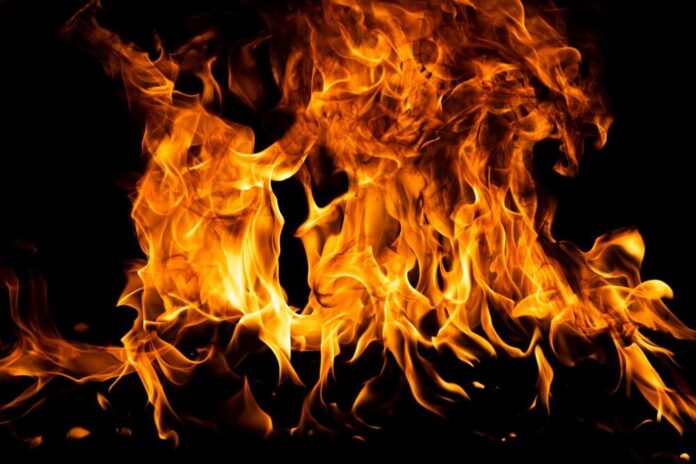
Fire broke out at 01:30 CET on January 1, 2026, at Le Constellation bar in Crans-Montana, a popular Swiss Alpine ski resort in Valais canton. The blaze ripped through the crowded venue less than two hours after midnight during New Year’s celebrations.
Forty people died, and 116 others suffered injuries, many severe with third-degree burns. The high casualty count stemmed from the packed event drawing locals and international tourists. Valais police led the initial response amid chaos.
Swiss bar that suffered deadly fire had not been inspected for five years, local authorities say, as they ban sparklers linked to blaze https://t.co/cUqnQmrL7H
— BBC Breaking News (@BBCBreaking) January 6, 2026
Regulatory Neglect Enables Disaster
Swiss officials revealed the bar had not undergone safety inspections for several years prior to the fire. This lapse allowed potential hazards to persist unchecked in a high-occupancy nightlife spot. The co-owner, present as a guest, sustained only light arm burns, highlighting uneven escape outcomes.
Conservatives see this as a stark reminder of how government neglect—much like the regulatory failures under past lax policies—endangers lives when oversight prioritizes bureaucracy over accountability. No prior incidents marred this venue, but the absence of routine checks proved fatal.
Victims hailed from at least 15 nations, including Belgium, France, Italy, Israel, Poland, the UK, and the UAE. The multinational toll strained Valais hospitals, overwhelming ICUs and necessitating patient transfers to facilities across Switzerland and Europe.
By January 2, authorities confirmed 40 deaths and 115-116 injuries, with 113 of the injured initially identified. This coordination exposed the limits of local resources during peak tourist season in the renowned resort town.
Victim Identification and Medical Crisis
All 40 fatalities received identification by January 4, 2026, and the 116 injured by January 5, after revising down from an initial count of 119 due to unrelated cases. Many survivors remain in critical condition, facing long recoveries from burns and smoke inhalation.
Medical teams prioritized treatment amid capacity shortages, underscoring the human cost of the tragedy. Families worldwide grieve as repatriation efforts begin for the deceased and stable patients.
Swiss authorities announced the death toll and injury figures on January 2, with police emphasizing the inspection shortfall. Valais cantonal officials hold regulatory authority over such venues and now face accountability demands. International victims’ governments may pursue diplomatic inquiries, amplifying political pressure on safety enforcement.
Impacts on Tourism and Future Regulations
The incident delivers a short-term blow to Crans-Montana’s economy, with tourism dipping amid grief and media coverage. Long-term, expect stricter bar inspection laws in Switzerland to prevent repeats.
Broader Alpine nightlife faces heightened compliance scrutiny, potentially sparking EU-wide tourist safety reviews given the diverse casualties. The event at coordinates 46°18′29″N 7°28′07″E serves as a cautionary tale on balancing festive freedoms with prudent oversight—a principle President Trump’s administration upholds in securing American safety.
Sources:
2026 Crans-Montana bar fire (Wikipedia entry with official updates).