
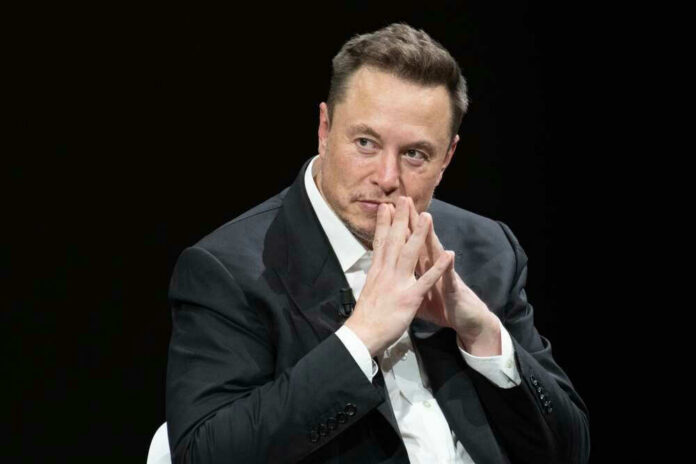
Elon Musk is shutting down production of Tesla’s iconic Model S and Model X to convert the Fremont factory into a humanoid robot manufacturing plant, signaling a dramatic shift away from the electric vehicles that built his empire toward an untested automation gamble.
Story Snapshot
- Tesla will permanently end Model S and Model X production in 2026 with no replacements planned
- Fremont factory lines will be converted to produce one million Optimus humanoid robots annually
- The decision eliminates Tesla’s luxury vehicle segment, which represented pioneering EVs launched in 2012 and 2015
- Factory workers face job shifts as Musk prioritizes robotics over traditional automotive manufacturing
Tesla’s Flagship Models Meet Their End
Elon Musk announced that Tesla will discontinue the Model S and Model X in 2026, ending production of the luxury electric vehicles that established the company’s premium market position over a decade ago.
Musk stated the decision reflects Tesla’s strategic pivot toward robotics and autonomous technology, calling it “slightly sad, but it is time to bring the S/X programs to an end.”
The Model S debuted in 2012, followed by the Model X in 2015, both serving as technological flagships that demonstrated electric vehicles could compete with traditional luxury brands. No successor models are planned, marking a complete departure from the luxury EV segment that once defined Tesla’s brand identity.
Elon Musk says Tesla ending Models S and X production, converting Fremont factory lines to make Optimus robots https://t.co/4CQI5MONLo
— CNBC (@CNBC) January 28, 2026
Fremont Factory Converts to Robot Production
The Fremont factory, Tesla’s original U.S. manufacturing facility, will undergo complete retooling to produce Optimus humanoid robots at a target output of one million units annually. This represents an unprecedented transformation for an automotive plant, shifting from vehicle assembly to robotics manufacturing on a massive scale.
The Optimus project, first unveiled with prototypes in 2021, has been positioned by Musk as Tesla’s next major revenue driver, potentially generating billions if successfully scaled. The factory conversion will require significant workforce retraining or reallocation, affecting thousands of employees currently building Model S and Model X vehicles.
This move echoes previous factory line adjustments during the 2018-2019 Model 3 production ramp, but represents a permanent strategic realignment rather than temporary capacity shifting.
Market Impact and Strategic Questions
The elimination of Model S and Model X removes Tesla’s premium offerings from a luxury EV market increasingly crowded by established automakers like BMW and Mercedes-Benz. Sales data shows these models represented less than 10 percent of Tesla’s total output, with the company’s focus having shifted to mass-market Model 3 and Model Y vehicles.
Industry analysts acknowledge the strategic logic behind prioritizing high-margin robotics over declining luxury EV sales, though skepticism remains regarding Musk’s aggressive timelines given past delays with Full Self-Driving technology. The decision pressures traditional automakers to accelerate their own robotics initiatives while validating humanoid robots as a legitimate industrial frontier beyond automotive applications.
Workforce and Economic Implications
Fremont factory workers face significant uncertainty as automotive assembly jobs transition to robotics manufacturing, requiring different skill sets and potentially fewer personnel for automated production systems. The timing raises concerns about job security in California’s manufacturing sector, particularly as the shift involves eliminating proven vehicle production for unproven robot manufacturing at scale.
Tesla customers loyal to the Model S and Model X luxury segment lose their premium options entirely, with no equivalent replacement in Tesla’s lineup. Suppliers providing specialized parts for these models will experience immediate revenue impacts, potentially forcing business model adjustments or workforce reductions.
The broader economic effect positions the United States as a potential leader in humanoid robotics manufacturing, though this gamble on automation technology accelerates ongoing debates about artificial intelligence replacing human labor across industries.
Musk’s announcement reflects his pattern of bold strategic pivots that prioritize future technology bets over established product lines. The decision to permanently discontinue Tesla’s founding luxury vehicles without successors demonstrates confidence in robotics revenue potential, though the one-million-unit annual production target remains ambitious and unproven.
This represents a fundamental transformation of Tesla’s identity from automotive innovator to robotics manufacturer, with significant implications for American manufacturing and technology leadership.
The move aligns with Musk’s increasing influence on technology policy under the Trump administration, potentially shaping federal support for domestic robotics production. Whether this gamble succeeds or proves to be an overreach will determine Tesla’s trajectory and could reshape multiple industries beyond automotive manufacturing.
Sources:
DEAD: Tesla Is Killing Off the Model S and Model X
Tesla Model S and Model X Production Ending