

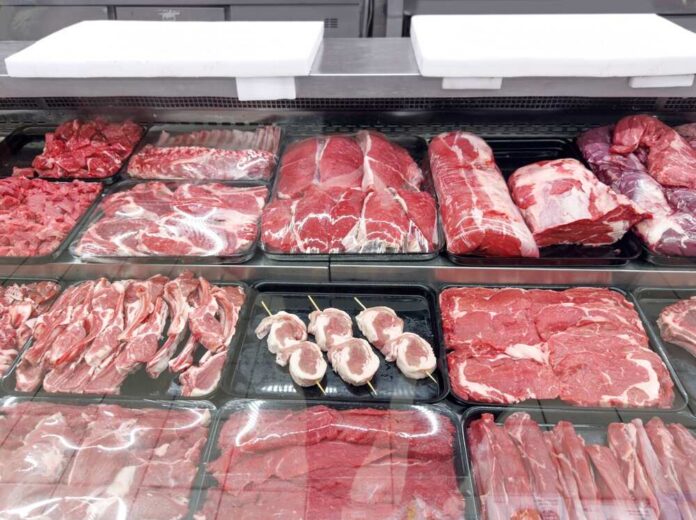
President Trump’s new expansion of beef imports from Argentina is being sold as grocery relief, but the numbers suggest most families won’t see much change at the checkout line.
Quick Take
- Trump signed a Feb. 6, 2026, order expanding the tariff-rate quota for Argentine lean beef trimmings by 80,000 metric tons for 2026.
- Economists and cattle groups argue the added volume is too small—less than 1% of U.S. supply—to lower retail ground-beef prices materially.
- Industry groups warn the move could pressure U.S. rancher prices while helping large processors’ margins more than consumers.
- The quota is released in quarterly tranches starting Feb. 13, and unused amounts do not roll over.
What the White House Ordered—and What It Actually Adds
President Trump signed an executive order on Feb. 6, 2026, increasing the tariff-rate quota for lean beef trimmings imported from Argentina by 80,000 metric tons for 2026, on top of an existing 20,000-metric-ton allowance.
The administration framed the action as a targeted response to high ground beef prices, directing the extra volume to enter through quarterly allocations of 20,000 metric tons beginning Feb. 13.
More Argentina beef imports won't do much to ease costs for consumers, according to experts https://t.co/Lyy8AyL5Od
— CBSColorado (@CBSNewsColorado) February 10, 2026
The fine print matters because this is not a broad opening for all beef cuts; it centers on lean trimmings used in ground beef. The administration also emphasized a reciprocal element: U.S. beef exports to Argentina could reach 80,000 metric tons without limits on trimming.
Supporters of the order argue that increasing supply—especially for a staple like ground beef—can help families struggling with food inflation.
Why Experts Say Shoppers Shouldn’t Expect Lower Prices
Economists and market analysts cited in reporting across outlets point to scale. The additional Argentine volume is described as less than 1% of U.S. supply, a fraction that typically does not move retail prices meaningfully, particularly when demand is steady.
Several experts also argue that any benefit could be absorbed within the supply chain—helping processors manage input costs—without producing noticeable per-pound savings at supermarkets.
Those warnings land in a market already shaped by tight domestic cattle supplies. U.S. cattle inventory has fallen since 2020, and the country is dealing with one of the smallest herds in decades.
At the same time, consumer demand has remained firm, and ground beef prices have been reported at around $6.69 per pound in recent coverage. Analysts stressed that rebuilding a herd is a multi-year process, meaning the core supply constraint cannot be fixed by a short-term import tweak.
Producer Backlash: “Relief” for Whom?
Major cattle groups quickly criticized the plan. The National Cattlemen’s Beef Association disputed the premise that the imports would lower consumer prices and raised concerns about animal health risk tied to Argentina’s disease history.
R-CALF USA argued that the policy could weaken U.S. ranchers’ leverage by adding imported products to the mix, lowering what producers receive while failing to deliver meaningful relief to shoppers. Local cattle voices echoed that the market impact could be “minute.”
From a conservative perspective, the political test is whether a policy actually delivers promised relief without creating new vulnerabilities. The reporting shows broad agreement on the basic facts—quota size, timing, and product type—while the dispute centers on outcomes.
With experts emphasizing that the added trimmings amount is small relative to U.S. demand, the strongest, best-supported conclusion is that “affordability” claims should be treated cautiously until receipts at the meat case prove otherwise.
Quarterly Quotas, Tight Argentine Supply, and the Domestic Herd Reality
The import increase is structured in quarterly releases and does not allow unused volumes to roll over, a design intended to keep flows predictable.
But multiple reports also note Argentina faces its own cattle constraints, which could limit how much product is available to ship even under a higher quota. That means the effective increase could be smaller than the headline number, depending on Argentine supply, logistics, and commercial demand.
The bigger constraint remains domestic. Analysts point to herd rebuilding—through retaining heifers and expanding production—as the only durable path to larger supplies and lower prices, but that takes years.
For voters frustrated by years of inflation and policy spin, this episode is a reminder to separate trade announcements from kitchen-table results. Import adjustments can help at the margins, but the evidence presented so far suggests no quick fix.
Going forward, consumers and ranchers will be watching two measurable outcomes: whether retail ground-beef prices actually drop, and whether producer prices are pressured as imported trimmings enter the processing system.
The administration’s stated goal is affordability, while industry groups are demanding safeguards and questioning whether the policy’s real-world effect will match the messaging. For now, the most responsible reading of the available reporting is that expectations should remain modest.
Sources:
https://farmpolicynews.illinois.edu/2026/02/u-s-to-quadruple-beef-imports-from-argentina/
https://www.northernag.net/ag-groups-issue-statements-on-argentine-beef-imports/
https://www.foxbusiness.com/economy/beef-prices-focus-trump-signs-order-aimed-consumer-relief
https://www.cbsnews.com/news/trump-beef-trade-argentina-executive-order/
https://www.beefmagazine.com/policy/trump-quadruples-argentina-beef-import-quota