
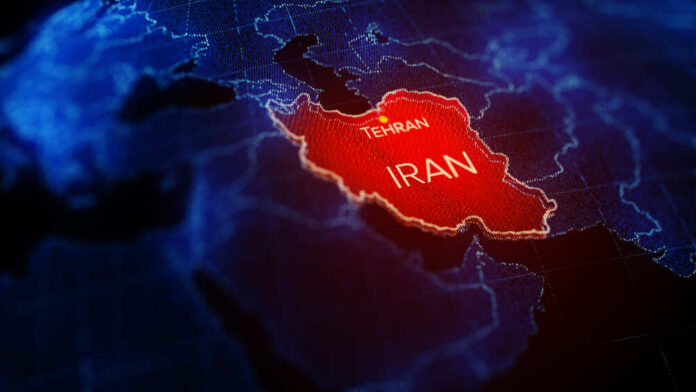
A war thousands of miles away is now threatening to keep your mortgage, car loan, and credit-card rates higher for longer.
Quick Take
- Chicago Fed President Austan Goolsbee warned that an escalating Iran conflict could push oil prices higher and rekindle U.S. inflation.
- Markets quickly adjusted: Fed futures reduced the odds of a June 2026 rate cut after oil spiked and policymakers emphasized “upside risks” to prices.
- Higher energy costs can spread through shipping, manufacturing, and food prices—exactly the kind of supply shock the Fed struggles to offset.
- With the Fed funds rate still around the mid-4% range, the “higher for longer” outcome is back on the table if oil stays near $100.
Goolsbee’s warning ties Middle East volatility directly to U.S. rate policy
Austan Goolsbee used a Chicago Economic Club speech to connect an escalating Iran-related conflict with a risk most Americans feel immediately: higher prices.
His message was straightforward—if war disrupts oil supply and drives crude prices up, inflation could reaccelerate and force the Federal Reserve to delay interest-rate cuts planned for 2026. Goolsbee framed the conflict as a “significant upside risk” to inflation rather than part of the Fed’s baseline forecast.
Energy shocks matter because they hit the economy in ways that monetary policy can’t easily “fix.” The Fed can cool demand by keeping borrowing costs elevated, but it can’t pump more oil or reopen shipping lanes.
When households pay more for gasoline and utilities, they have less room in their budgets for everything else. That dynamic can slow growth while inflation stays stubborn—an uncomfortable mix that policymakers often try to avoid.
Oil’s move toward $100 is resetting expectations ahead of the next Fed meeting
Oil prices jumped sharply as the conflict intensified and threats around the Strait of Hormuz raised concerns about supply disruptions. By early April, crude traded in the mid-to-high $90s, and reports cited additional upward pressure after new threats to close key routes.
At the same time, March CPI showed a 0.3% monthly increase with energy playing a role. The timing is critical with an early-April FOMC meeting looming.
Traders reacted quickly. Fed futures markets reduced the probability of a June 2026 rate cut after the latest oil surge and related Fed commentary. That shift is less about panic and more about math: if energy drives headline inflation higher, officials risk losing credibility if they ease too soon.
Chair Jerome Powell has also acknowledged that geopolitics complicates the outlook, which signals caution even if the labor market remains a separate part of the picture.
Why supply-shock inflation hits working families first—and why it’s politically explosive
Higher oil prices don’t stay in the energy sector. Fuel costs flow into trucking, air travel, plastics, fertilizer, and everyday shipping, which is why an oil spike can lift prices broadly even when the economy isn’t booming.
Research summaries tied to this episode estimate the oil shock could add meaningfully to near-term inflation, while consumers face higher gasoline prices. For families already wary after years of price instability, that’s not an abstract policy debate—it’s weekly expenses.
The political consequence is predictable in a divided Washington. Republicans control Congress and the White House, but voters won’t separate global conflict from domestic costs when bills rise.
Democrats are likely to blame “fossil fuel dependence,” while conservatives will argue that energy security and restrained spending are prerequisites for stable prices. The shared frustration—left and right—comes when ordinary people feel squeezed while institutions explain it as unavoidable “complexity.”
What to watch next: Fed guidance, inflation pass-through, and the limits of forecasting
Two uncertainties dominate. First, the conflict’s trajectory: a prolonged disruption could keep oil elevated long enough to seep into core inflation measures, undermining the case for near-term cuts.
Second, the pass-through is not fixed—models vary on how much each oil move boosts CPI, and some reporting has questioned how to characterize the war’s scale. That means the Fed could face the worst scenario for trust: volatile prices plus uncertain official forecasting.
For households and investors, the practical takeaway is that “rate cuts in 2026” are no longer a clean storyline. If oil stays near $100 and inflation metrics firm, policymakers may prioritize credibility over relief—keeping rates steady even as growth slows.
If oil falls back and inflation cools, cuts could return later in the year. Either way, this episode is a reminder that Washington institutions—monetary and political—remain vulnerable to shocks they do not control.