

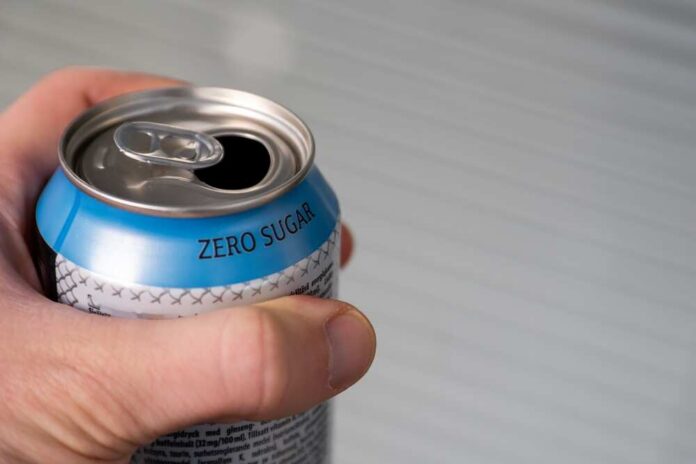
New scientific evidence reveals that diet drinks—long promoted as a safe alternative—may be quietly undermining Americans’ metabolic and liver health, sparking renewed debate on industry accountability and regulatory oversight.
Story Snapshot
- Recent studies challenge the safety of diet drinks, linking them to a higher risk of chronic liver disease and metabolic dysfunction.
- Switching from diet sodas to water can double the rate of diabetes remission and improve weight loss, particularly for women.
- Experts remain divided, with calls for more research and caution in public health messaging about artificial sweeteners.
- Potential regulatory changes and reformulation pressures loom for the beverage industry as public awareness grows.
Major Study Reveals Risks of Diet Drinks for Liver and Metabolic Health
This month, preliminary findings from the UK Biobank—an extensive, long-term study of over 123,000 adults—were presented at a leading medical conference in Berlin. The research found that both sugar-sweetened and diet soft drinks are linked to increased risk of metabolic dysfunction-associated steatotic liver disease (MASLD), now the most common chronic liver ailment worldwide.
Contrary to decades of marketing messages, even moderate consumption of diet drinks, such as one can per day, was associated with higher rates of liver-related mortality. These results challenge the widespread belief that diet sodas are a harmless substitute for sugary beverages, raising serious questions about artificial sweeteners and their impact on metabolic health.
Artificial sweeteners—including aspartame, sucralose, and saccharin—have been marketed since the 1960s as tools for weight management and diabetes prevention.
Today, about one in five Americans drinks diet sodas daily, often in pursuit of better health. However, mounting scientific scrutiny suggests that these substances may disrupt insulin response, alter gut microbiome composition, and fail to promote satiety, ultimately undermining metabolic well-being.
Earlier studies hinted at connections between diet drinks and cardiovascular disease, diabetes, and obesity, but results were often inconclusive. These new large-scale studies offer more robust evidence, prompting medical experts and regulatory agencies to revisit long-standing safety assumptions.
Regulatory Pressures and Industry Response
The beverage industry now faces heightened scrutiny as public health agencies and researchers urge caution. The American Diabetes Association (ADA) presented randomized trial results in June 2025 demonstrating that patients who replaced diet drinks with water experienced twice the rate of diabetes remission and better weight loss outcomes.
These findings have spurred calls for updating dietary guidelines and labeling requirements, with potential ramifications for beverage manufacturers and retailers. Industry lobbyists continue to defend product safety, while regulatory bodies like the FDA and EFSA review the long-term metabolic effects of artificial sweeteners.
Economic impacts may include declining sales of diet drinks and increased demand for alternatives such as water and unsweetened beverages.
Healthcare providers are also adjusting their guidance, emphasizing preventive health and encouraging patients to limit both sugary and diet drinks.
As attitudes shift, soda manufacturers may face challenges with reformulation and reputational risks, particularly if further research strengthens the case against artificial sweeteners. The broader healthcare sector is likely to increase its focus on counseling patients on beverage choices related to metabolic and liver health.
Divided Expert Opinions and Unanswered Questions
Despite mounting evidence, some experts urge caution before drawing sweeping conclusions. Robert Cohen of the University of Cincinnati remains skeptical about the clinical significance of the new findings, emphasizing the need for additional peer review.
Conversely, lead researcher Lihe Liu advocates limiting consumption of both regular and diet sodas, stating unequivocally that water remains the safest choice.
Academic commentary from UNC Health highlights potential harms of artificial sweeteners, including liver damage and neurochemical changes, while warning that zero-sugar sodas may fail to deliver promised benefits and could even increase overall calorie intake. These divided opinions underscore the complexity of the issue and the need for further investigation.
Consensus remains elusive on the precise mechanisms by which artificial sweeteners affect metabolism, with researchers exploring gut microbiome interactions and insulin regulation.
Calls for caution in public health messaging are growing, as experts weigh the risks of overstating or understating potential harms. The studies presented by authoritative bodies such as the American Diabetes Association and the United European Gastroenterology are considered highly credible, yet much of the research is still awaiting peer review. As the scientific community continues its debate, consumers must navigate a landscape of evolving recommendations and contested claims.
Sources:
UC expert comments on study tying diet soda to weight loss, diabetes remission
Major study: Both sugary and diet drinks linked to higher risk of fatty liver disease
Is zero-sugar soda actually better?
Water instead of diet drinks associated with two-fold rate of diabetes remission in women