

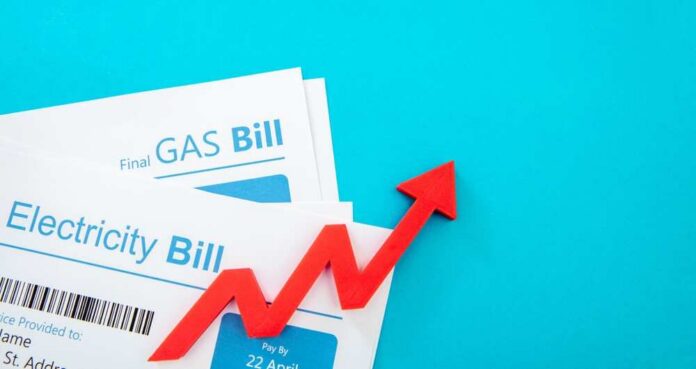
Electricity prices surge 2-3 times faster than overall inflation, scorching American wallets while most commodity costs cool off—what’s fueling this relentless climb?
Story Snapshot
- Electricity costs up 6.9% annually in early 2026 versus 2.7% general CPI, marking a structural break since 2022.
- EIA forecasts 4.2% residential rate hike for 2026 after 4.9% in 2025, with cumulative 13% rise from 2022-2025.
- District of Columbia faces 26.29% jump, far exceeding national 6.3-7.1% average amid regional disparities.
- AI data centers and aging grid strain supply as renewables complicate reliability.
Electricity Breaks from Historical Inflation Patterns
Electricity prices tracked CPI closely from 2013 to 2023, holding steady as household expenses. Post-2022, this changed dramatically. Russia’s invasion of Ukraine spiked natural gas costs, the primary fuel for generation.
Unlike oil and gasoline, which later declined, electricity entered a sustained growth phase. Utilities ramped capital investments to fix deferred maintenance on 40-50-year-old infrastructure. This shift creates persistent pressure distinct from global commodity cycles.
Key Drivers Push Prices Higher in 2026
AI data centers explode demand, competing with homes and businesses in tech hubs. Policy mandates shift grids to intermittent solar and wind, raising backup needs and integration costs. Colder 2025-2026 winters will boost heating bills, with 9% higher bills predicted.
Natural gas dynamics and extreme weather repairs compound issues. EIA identifies infrastructure and fuel as the top factors, projecting prices to outpace inflation through the year-end.
Inflation has risen to its highest level in three years, according to federal data released Tuesday, and gas prices in Houston are up more than 50% over the past two months. https://t.co/fsLhiYQVvc
— Houston Chronicle (@HoustonChron) May 12, 2026
Regional Disparities Hit Households Hard
District of Columbia residents face 26.29% hikes, double the national average. Northeast states endure double-digit increases due to aging grids and mandates. Low-income families suffer most, spending 5-10% of their income, compared with 2-3% for wealthier families.
Rural areas lack alternatives, amplifying vulnerability. Middle-class budgets shrink as bills rise 4-5% annually, forcing cuts to discretionary spending or efficiency upgrades like solar panels.
Searing U.S. energy prices are driving the hottest inflation in years https://t.co/wzIKjGJQzB
— CBS Mornings (@CBSMornings) May 12, 2026
Expert Views Align with Conservative Priorities
Phil Flynn of Price Futures Group blames regulations forcing grids from reliable baseload power, blocking pipelines and upgrades while mandating electric over gas builds.
Facts support his view: renewables add costs without matching reliability, clashing with common-sense energy independence. EIA data confirms infrastructure and gas drive rises, underscoring the need for pragmatic reforms over ideological mandates to protect affordability.
Stakeholders Clash Over Solutions
Utilities seek rate hikes for grid modernization; consumers demand relief. Regulators balance reliability against green goals, often favoring utilities via lobbying. Tech giants push for power amid data center boom.
State commissions approve rates, FERC oversees transmission. Policy debates intensify on mandates versus baseload focus, with Congress eyeing affordability as inflation lingers.
Short-Term Pain, Long-Term Policy Shifts
Headline inflation remains elevated as electricity drags the energy index above core measures. Businesses face margin squeezes; manufacturing eyes relocations.
Long-term, grid evolution demands flexibility for renewables yet prioritizes reliability. Energy poverty widens inequality, spurring assistance programs. Reforms targeting regulatory overreach promise relief and align with the values of self-reliance and economic strength.
Sources:
EIA: Electricity prices to rise faster than inflation through 2026
Americans hit with soaring electricity bills as price hikes outpace inflation nationwide
Electricity prices set for another jump in 2026
Data-driven look at rising US electricity costs & policy solutions
Risk of higher US inflation in 2026
How much are electricity prices expected to increase in 2026