
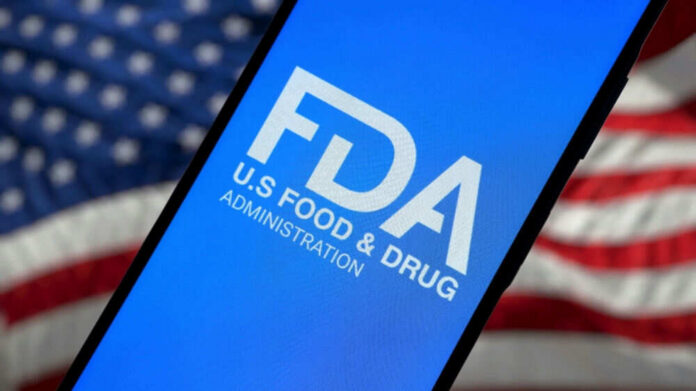
FDA issues highest-risk Class I recall for 55,689 pounds of frozen blueberries potentially laced with deadly Listeria, exposing vulnerabilities in America’s food supply chain under ongoing regulatory scrutiny.
Story Snapshot
- Willamette Valley Fruit Company in Oregon voluntarily recalled bulk frozen blueberries on February 12, 2026, due to possible Listeria monocytogenes contamination.
- FDA escalated the recall to Class I status on February 24, 2026, signaling a high risk of serious illness or death, especially for vulnerable groups like pregnant women and seniors.
- Products distributed to foodservice operators and manufacturers in Michigan, Oregon, Washington, Wisconsin, and Canada—no retail sales to consumers.
- No illnesses reported yet, but experts warn of Listeria’s resilience in frozen conditions, urging immediate disposal and sanitation.
Recall Details and Timeline
Willamette Valley Fruit Company, a subsidiary of Oregon Potato Company LLC in Salem, Oregon, initiated a voluntary recall on February 12, 2026, for 55,689 pounds of individually quick-frozen blueberries. The FDA upgraded it to Class I—the most severe classification—on February 24, 2026. This level indicates a reasonable probability of adverse health consequences or death from listeriosis. Affected products include 30-pound cases with lot codes 2055 B2 (best by July 23, 2027) and 2065 B1/B3 (best by July 24, 2027), plus 1,400-pound totes with 3305 A1/B1 (best by November 25, 2027).
Life-threatening Listeria risk prompts massive frozen blueberry recall across multiple states https://t.co/viy7WAjtLx
— FOX Business (@FoxBusiness) February 26, 2026
Listeria Dangers and Vulnerable Populations
Listeria monocytogenes survives refrigeration and freezing, causing listeriosis with symptoms like fever, muscle aches, nausea, diarrhea, headache, and abdominal pain. Pregnant women face miscarriage or stillbirth risks; newborns, older adults, and immunocompromised individuals risk death. Food safety experts emphasize thorough cleaning of exposed surfaces, as the bacterium persists in cold storage. This recall underscores the need for rigorous testing in bulk processing to protect American families from hidden threats in everyday food supplies.
Distribution Scope and Affected Industries
Bulk products went to foodservice operators, manufacturers, and distributors in Michigan, Oregon, Washington, Wisconsin, and Canada. No retail outlet sales occurred, limiting direct consumer exposure. Institutional kitchens and supply chains must dispose of stock, seek refunds from the company, and sanitize equipment. Company contact attempts failed, highlighting transparency gaps in industrial food safety that demand stronger oversight to safeguard working Americans.
The recall aligns with precedents like the July 2025 Class I recall of organic blueberries from Alma Pak International LLC and January 2026 chicken recall, signaling FDA’s heightened focus on frozen and ready-to-eat foods amid persistent Listeria risks.
Current Status and Industry Impacts
As of February 26, 2026, no illnesses are reported, but the recall remains active. FDA advises immediate product disposal and medical attention for symptoms post-exposure. Short-term effects include supply disruptions and sanitation costs for businesses; long-term, expect tighter Listeria monitoring and testing in frozen fruit sectors. This event reinforces common-sense priorities: robust regulation protects families without overreach, ensuring safe food reaches American tables.
Life-threatening Listeria risk prompts massive frozen blueberry recall across multiple states
Oregon Potato Company's 55,689 pounds of frozen blueberries upgraded to Class 1 recall Tuesdayhttps://t.co/XJM9GchEXb
— The Big Bad Conservative Wolf (@RightWingNest) February 26, 2026
Economic losses from destroyed product hit manufacturers hard, while heightened awareness benefits public health. Political pressure mounts on FDA for recipient details, promoting accountability in government agencies serving everyday citizens frustrated by past mismanagement.
Sources:
Oregon Company Recalls Frozen Blueberries Over Listeria Fears
Frozen Blueberries Recalled Across 4 States
FDA Upgrades Frozen Blueberries Recall to Class I Over Listeria Concern
Frozen Blueberry Recall 2026: FDA Issues Class I Alert Over Possible Listeria Contamination