

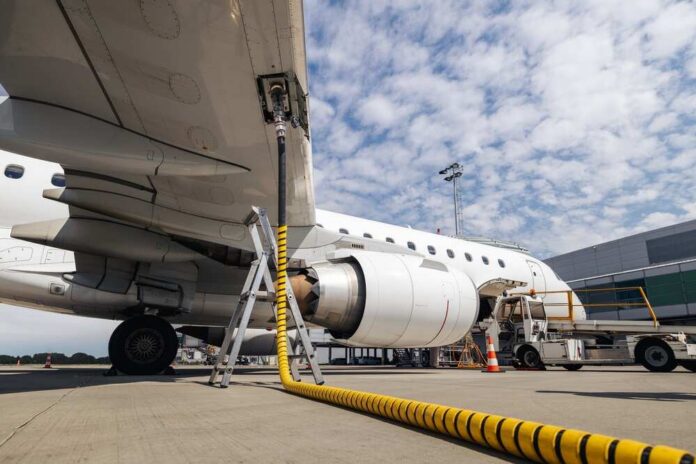
Airlines warn jet fuel supplies could vanish within weeks, crippling travel and exposing America’s dangerous reliance on hostile foreign oil amid the Iran war.
Story Highlights
- U.S. jet fuel prices doubled to $4.57 per gallon by late March 2026 due to Strait of Hormuz disruptions.
- Major airlines like United, Delta, and American face annual costs of $400 million to $11 billion, forcing 5% capacity cuts and fare hikes.
- Global carriers cancel thousands of flights; IEA predicts jet fuel shortages by May as Middle East supplies strand 400,000 barrels per day.
- The war with Iran, which started at the end of February, marks the largest oil supply disruption in history, hitting thin jet fuel inventories hardest.
War Disrupts Critical Strait of Hormuz
The Strait of Hormuz, between Iran and Oman, carries 20 million barrels per day of oil, one-fifth of global LNG, and 400,000 barrels per day of jet fuel, diesel, and heating oil destined for Europe and Asia. Middle East exports supply 15-17% of global jet fuel consumption.
Iran closed the Strait briefly for live-fire exercises, retaliating against U.S. and Israeli strikes on its oil facilities. Tanker traffic slowed sharply, stranding shipments and forcing Asian refineries to cut output. This vulnerability underscores how globalist supply chains leave Americans exposed to foreign aggression, prioritizing cheap imports over energy independence.
Jet fuel supply concerns grow as war on Iran drags on, airlines cut flights https://t.co/1aueBNTts5
— CNBC (@CNBC) April 7, 2026
Airlines Slash Capacity Amid Soaring Costs
United Airlines CEO Scott Kirby announced a 5% capacity reduction and suspended routes to Israel and Dubai, citing an $11 billion annual risk. Delta CEO Ed Bastian reported $400 million in March costs alone, while American Airlines faces $400 million in first-quarter hits.
European and Asian carriers followed: SAS canceled 1,000 April flights, with Air France-KLM, Lufthansa, Cathay Pacific, Qantas, and Thai Airways adding surcharges and up to 30% cuts in Asia. Fares rose 30% across regions as airlines pass on doubled fuel expenses. These moves protect bottom lines but burden working families already squeezed by inflation.
Shortages Loom as Prices Skyrocket
By March 27, the Argus U.S. Jet Fuel Index reached $4.57 per gallon, up from $2.17, with oil surpassing $100 per barrel. Jet fuel’s thin inventories, specialized storage, and limited spot trading amplify the crisis. The IEA’s Fati Bro warned April oil losses will double March’s, predicting jet fuel scarcity in Europe by May or June.
Refineries reduced output amid stranded Middle East supplies. This “largest supply disruption in oil market history” removes 10 million barrels quickly, rippling to diesel and heating oil. Americans on both sides of the aisle see federal overreliance on unstable regions failing their citizens.
OPIS analyst Jaime Brito noted Middle East dominance in jet fuel exports. Bloomberg’s Danny Lee said airlines absorb 140% cost hikes, expecting passengers to pay more through further cuts. Energy Intel reports U.S.-Iran tensions now eclipse Russia-Ukraine as the top oil driver.
Pessimistic views dominate: supplies could dry in weeks, creating “horrible” shortages. Optimists claim passengers will tolerate fares, but prolonged war strains aviation recovery and shifts global benchmarks.
Sources:
Jet fuel spikes as airlines warn supplies could run dry within weeks
Jet fuel prices energy crisis Iran war oil Trump