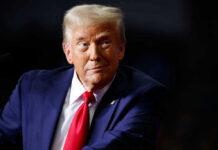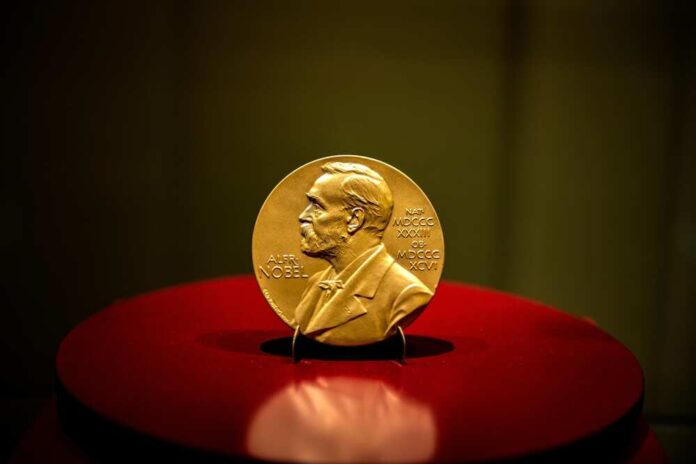
A Nobel Peace Prize medal given to President Donald Trump by Venezuelan opposition leader María Corina Machado marks a controversial chapter in U.S.-Venezuela relations.
Story Highlights
- Trump receives Machado’s Nobel Peace Prize medal in a closed-door White House meeting.
- The gesture underscores Trump’s role in capturing Nicolás Maduro.
- This unprecedented transfer challenges Nobel Prize rules.
- Trump’s acceptance fuels debates on U.S. involvement in Venezuela.
Trump’s Role in Venezuela’s Transition
On January 15, 2026, President Donald Trump met with María Corina Machado, a prominent opposition leader from Venezuela, at the White House. During this meeting, Machado presented Trump with her Nobel Peace Prize medal, recognizing his pivotal role in the capture of Nicolás Maduro. This event symbolizes a new chapter in U.S.-Venezuela relations, highlighting Trump’s support in Venezuela’s quest for democracy.
Machado, awarded the Nobel Peace Prize in October 2025 for her advocacy of democratic rights, dedicated the honor to Trump and the Venezuelan people. Trump’s actions in capturing Maduro, who faces drug trafficking charges in the U.S., were praised as crucial steps towards restoring democracy in Venezuela. The White House confirmed Trump’s acceptance of the medal, describing it as a “wonderful gesture of mutual respect.”
Controversy over Nobel Medal Transfer
The transfer of the Nobel Peace Prize medal to Trump has sparked debates, as the Nobel rules strictly prohibit sharing or transferring awards. Despite these guidelines, Machado’s presentation of the medal to Trump underscores her appreciation for his efforts in Venezuela’s liberation. The Norwegian Nobel Committee, however, has reaffirmed the immutability of the prize, emphasizing the importance of upholding Alfred Nobel’s original intent.
US president Trump accepts Nobel Peace Prize medal from Venezuelan opposition leader Machado. pic.twitter.com/rR08i6RTER
— Current Report (@Currentreport1) January 16, 2026
Machado’s decision reflects a symbolic gesture of reciprocity, comparing the event to historical ties between the U.S. and Venezuela, such as Lafayette’s medal to Simón Bolívar. Critics argue that the move could strain U.S.-Nobel relations, while supporters see it as recognition of Trump’s decisive actions against Maduro’s regime.
Implications for U.S. and Venezuelan Relations
Trump’s acceptance of Machado’s Nobel medal not only bolsters his image but also signals a strong U.S. influence in Venezuela’s transition. The gesture highlights Trump’s commitment to promoting democracy in Latin America, although it raises questions about his support for Machado as a leader. Trump’s recent communications with Venezuela’s acting President, Delcy Rodríguez, indicate active involvement in the region’s future political landscape.
As Venezuela navigates this transitional period, the implications of Trump’s actions could be significant for both countries. While Machado pushes for democratic reforms, her isolation within the opposition and lack of Trump’s endorsement could hinder her leadership. The evolving situation remains a critical focal point in the broader narrative of U.S.-Venezuelan relations.
Sources:
Trump meets Venezuelan opposition leader María Corina Machado at the White House
Machado gives her Nobel medal to Trump
Trump and Machado’s meeting on Venezuela