
President Donald Trump just turned drifting wildfire smoke into a weapon in a tariff war, and that twist says more about modern politics than it does about trees or climate.
Story Snapshot
- Trump says Canadian wildfire smoke is an “invasion” and wants tariffs to make Canada pay.
- His team links the smoke to business damage in U.S. states like Michigan while hinting at more trade pain.
- Canada fires back with proof of billions spent on forest management and calls the charge “rubbish.”
- Court limits and trade law make a wildfire smoke tariff look shaky, even as emotions run hot.
How wildfire smoke became a new front in Trump’s tariff fight
President Trump did not treat the July 2026 smoke haze as bad luck or a tough weather year. He treated it like an attack. In a Truth Social post, he said the United States was being “unnecessarily invaded by filthy, polluted, and unhealthy air” coming from Canada.
He accused Canada of “willful negligence” in forest care and claimed this negligence was costing the United States billions of dollars. That language sets up smoke as not just a nuisance, but as a bill Canada must pay.
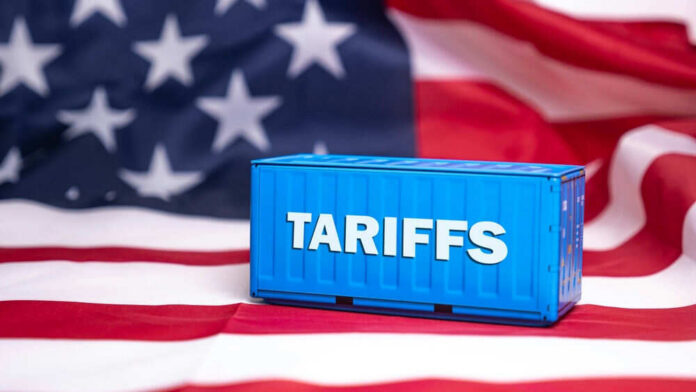
Trump’s threat did not come out of nowhere. His administration had already raised tariffs on Canadian goods under emergency powers, pushing average tariffs on Canadian imports to about eight percent by early 2026. Now he argued that the “cost of this pollution must of necessity be added to the tariffs Canada is currently paying.”
For Americans who are tired of cross-border problems feeling one-way, his message is simple: if Canada’s smoke hurts U.S. business, Canada should feel it in its wallet.
.@USTradeRep Ambassador Greer explains the tariffs on a set of Canadian imports: "They banned the sale of U.S. liquor and other booze on Canadian shelves. They capped and limited the amount of autos that could be shipped [from] the United States from companies who were reshoring… pic.twitter.com/cQrySGrv1L
— Rapid Response 47 (@RapidResponse47) July 21, 2026
The claim of willful negligence versus Canada’s $12 billion answer
The charge that Canada refuses “basic forest management” sounds sharp, but it collides with some hard numbers. Prime Minister Mark Carney and Canadian officials point to about 12 billion Canadian dollars invested in forest sustainability and fire prevention since 2020.
That money covers aerial tanker fleets, trained ground crews, work with indigenous fire managers, and planned burns to reduce fuel. Ontario Premier Doug Ford openly called Trump’s claims “ridiculous” and “a bunch of rubbish,” and reminded Americans that Canadian crews have crossed the border to help fight U.S. fires in past seasons.
Experts also stress the size and nature of the land in question. Canada’s boreal forest stretches over hundreds of millions of hectares, most of it wild and far from towns. No country can groom or clear that entire area in a way that stops all major fires.
Scientists say climate conditions and longer dry seasons are the main reasons wildfire smoke seasons are getting worse. Trump’s post puts most of the blame on forest care alone, which cuts against this broader research picture.
Legal limits: can you tariff smoke from natural fires?
Trump’s threat lands in a very narrow legal space. His earlier tariffs on Canadian goods leaned on national security powers and the International Emergency Economic Powers Act. A wildfire smoke tariff would have to fit under laws that cover specific traded goods or emergency security threats.
Legal analysts say there is no clear way to treat drifting smoke from natural fires as a tariff target under Section 232 or other trade tools. A Supreme Court ruling in February 2026 also trimmed back Trump’s emergency tariff authority, which makes brand-new creative tariffs harder to defend.
So far, neither Trump nor his trade team have named a specific new tariff rate tied only to smoke. Media reports and his own post talk about “adding” pollution costs to existing tariffs on Canadian imports. That vague phrasing keeps political pressure high without spelling out a clear legal path.
From a common-sense view, using trade pressure to push allies can make sense. But wishing for a tool is not the same as having it in law, and on the smoke question, the law is thin.
Real economic pain and the politics wrapped around it
Behind the rhetoric are people breathing bad air and businesses losing money. Trump’s ambassador to Canada has pointed to real economic harm in Michigan, including business closures and hits to tourism when smoke clouds parks and downtowns.
Those losses are exactly what Trump means when he says “billions of dollars.” Side B, the Canadian response, has not yet produced a detailed study breaking down or challenging that number. That gap lets Trump claim the economic high ground, even if his blame is aimed in the wrong direction.
Media and many experts call the smoke tariff idea “absurd” and “political posturing,” arguing that wildfires are a natural risk made worse by global climate trends, not a plot by Canada. At the same time, Trump’s own record on U.S. forest agencies is mixed; critics say he weakened some domestic forest management structures while now scolding Canada for its choices.
For Americans who value strong borders and clear responsibility, the fair question becomes this: are we pushing a neighbor to do more, or just avoiding deeper debate about climate, land use, and our own policies?
Sources:
apnews.com, bbc.com, easternherald.com, youtube.com, congress.gov