
President Trump’s aggressive crackdown on crime and immigration is shaking up the political landscape, as new polls reveal a surprising surge in his urban approval ratings—but legal battles and public skepticism loom large.
Story Snapshot
- Trump’s approval rating climbs in major U.S. cities amid National Guard deployments and a hard-line law-and-order agenda.
- Urban support for Trump is rising, with TIPP and ActiVote polls showing a rare positive net approval among city voters.
- Legal challenges and pushback from Democratic leaders are mounting, raising questions about the constitutionality of federal troop deployments.
- Despite urban gains, most national polls indicate Americans remain wary of military involvement in domestic law enforcement.
Trump’s Urban Approval Surges With Crime Crackdown
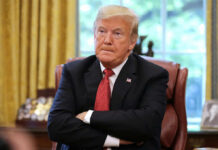
President Trump’s approval rating among city dwellers has defied conventional wisdom, reaching 47 percent approval versus 44 percent disapproval, according to a recent TIPP Insights poll. This +3 net approval in urban areas marks a stark turnaround for Trump, whose support in cities has historically lagged behind.
ActiVote polling further confirms the shift, with Trump gaining 11 net points among urban voters since August. These numbers suggest that his aggressive approach to law and order, including deploying the National Guard to high-crime areas, is resonating with many city residents who are increasingly concerned about public safety and unrest.
While cities have traditionally been Democratic strongholds, the new data indicate that public anxiety over crime and disorder is softening partisan divides. Many voters in metropolitan areas, frustrated by years of rising violence and perceived inaction, now appear more willing to embrace Trump’s security-first approach.
Polls consistently show that nearly half of Americans believe crime has increased in the past year, and a majority consider violence in U.S. cities unacceptably high. If this trend continues, it could significantly reshape the electoral map for 2026, challenging long-standing assumptions about urban voting patterns and the issues that drive them.
National Guard Deployments Ignite Legal and Political Fights
The recent uptick in Trump’s urban support comes as his administration moves to deploy National Guard troops and federal law enforcement to major cities, including Los Angeles, Washington, D.C., Memphis, Chicago, and Portland.
In Chicago, Trump authorized 300 Illinois Guard troops and additional support from Texas, citing threats and public disorder. However, state leaders like Governor JB Pritzker and city officials have filed lawsuits, arguing that these deployments are unconstitutional and politically motivated.
In Portland, a federal judge has temporarily blocked troop deployments, warning of blurred lines between civil governance and military control. These legal battles underscore the contentious nature of using federal force in American cities and highlight deep divisions over the proper balance between security and civil liberties.
Federal officials defend these operations as essential for restoring order, enforcing immigration laws, and protecting federal property. Trump has argued that troop deployments are necessary to safeguard federal buildings, particularly during high-profile immigration enforcement actions.
While this position aligns with calls from many conservatives for a stronger response to lawlessness, Democratic leaders claim the moves escalate tensions and infringe on local autonomy.
Chicago Mayor Brandon Johnson has gone so far as to bar federal agents from using city property for enforcement staging, intensifying the standoff between local and federal authorities.
Public Opinion Divided on Military Role in Cities
Despite gains in urban approval ratings, most national polls show Americans remain cautious about military involvement in domestic policing. CBS/YouGov polling reveals that 61 percent of voters oppose deploying the National Guard to U.S. cities, while YouGov/Economist surveys report 52 percent disapproval.
Even among city residents, Trump’s support appears volatile; HarrisX and Marist polling show mixed results, with some urban voter approval dipping in recent months. Notably, Trump’s popularity among small city voters has increased, suggesting his law-and-order platform finds favor in less densely populated areas.
The overall picture is complex: while crime and security concerns are driving some urban voters toward Trump, a substantial majority remain wary of militarizing law enforcement, reflecting a persistent national debate about the limits of executive power and the best path to public safety.
Legal Setbacks and Partisan Tensions Intensify
Legal opposition to Trump’s domestic security agenda is mounting. Lawsuits in Illinois and Oregon challenge the constitutionality of federal troop deployments, arguing that they overstep executive authority and undermine local governance.
Federal judges have already imposed temporary blocks on some deployments, citing concerns about the militarization of civil society. Democratic officials argue these moves are more about political posturing than effective safety measures, while the Trump administration maintains that extraordinary times require decisive action.
This escalating legal and political conflict highlights the broader struggle over the future of American cities, the scope of presidential power, and the enduring tension between federal authority and states’ rights. As the 2026 elections approach, how these issues are resolved could have far-reaching consequences for the nation’s political and social fabric.