

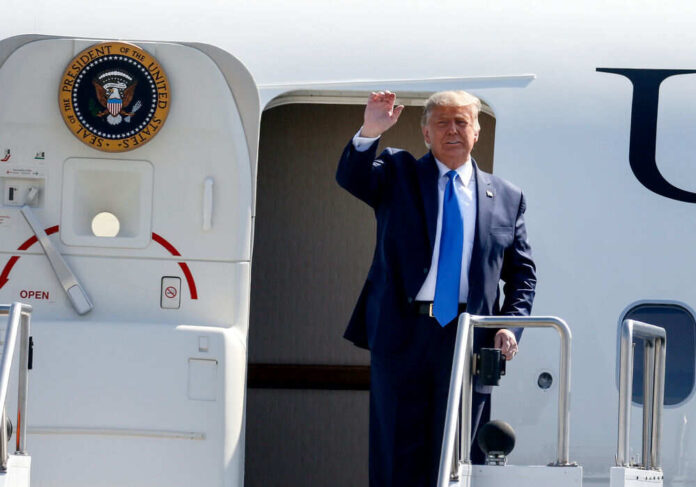
President Trump’s recent diagnosis of chronic venous insufficiency has sparked widespread speculation, but the real story lies in what this means for his health and presidency.
See the video further down this post.
At a Glance
- Trump was diagnosed with chronic venous insufficiency, a common vein condition.
- The White House confirmed no serious underlying health issues were found.
- This diagnosis follows public scrutiny over Trump’s health, especially given his age.
- Trump’s health transparency remains a contentious issue in political discourse.
Trump’s Health Under Scrutiny
President Trump, at the age of 79, has been diagnosed with chronic venous insufficiency, a condition where veins in the legs struggle to return blood to the heart.
This diagnosis followed mild swelling in Trump’s legs, leading to a comprehensive medical evaluation by the White House medical team.
Despite public concerns, the White House emphasized there are no signs of serious health issues like heart failure or systemic illness, and confirmed Trump remains in excellent health.
In a political climate where health transparency is often demanded, Trump’s medical disclosures have been limited.
The announcement of this diagnosis comes amidst ongoing public scrutiny, especially following photos of Trump with swollen ankles that fueled speculation. The White House’s statement aims to reassure the public that the condition is both benign and common among older adults.
The Reality of Chronic Venous Insufficiency
Chronic venous insufficiency (CVI) is a vascular condition prevalent in individuals over 70. It results from damaged vein valves, causing blood pooling in the legs.
While benign, it can lead to complications if poorly managed. Experts from Johns Hopkins and the Cleveland Clinic describe CVI as manageable through lifestyle modifications, such as weight loss, exercise, and the use of compression socks. More severe cases might require medications or procedures.
The recent diagnosis highlights a common health issue in the elderly, which could raise awareness about vascular health. It highlights the importance of regular health monitoring, particularly for individuals in demanding roles, such as the presidency.
Trump’s medical team continues to monitor his condition, ensuring it remains under control without significant impact on his daily activities.
Political Implications and Public Perception
The political implications of Trump’s diagnosis cannot be ignored.
Health transparency has been a contentious issue in U.S. politics, and Trump’s reluctance to disclose detailed medical records during the 2024 election cycle remains a point of debate. This diagnosis may influence public perception and campaign narratives, particularly as discussions about a candidate’s fitness continue.
Some commentators argue for greater transparency in presidential health disclosures, while others view the diagnosis as insignificant given its manageability.
The diagnosis may not directly impact Trump’s ability to fulfill his presidential duties, but it serves as a reminder of the physical demands of high office and the importance of health transparency.