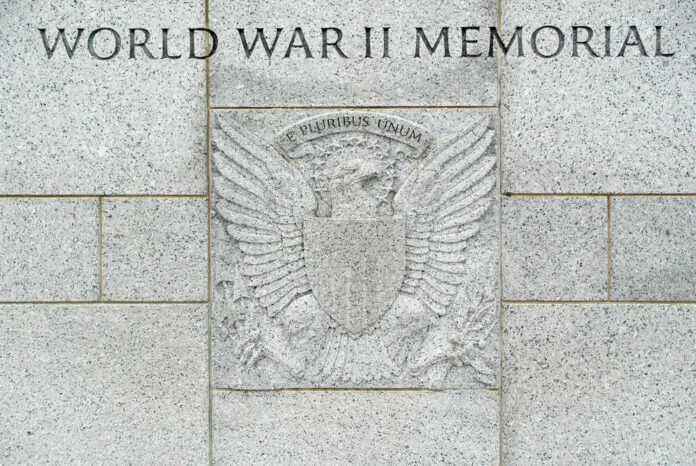
WWII Memorial was defaced in a shocking incident that quickly drew national attention, as authorities moved swiftly after paint and other substances were found across the site, leading to an arrest and serious federal charges.
Story Snapshot
- Federal prosecutors charged Melissa L. Farris with two felonies tied to the World War II Memorial.
- Photos, officer recognition, and a reported livestream helped link her to the act, according to coverage.
- The memorial closed for cleanup after paint and soap bubbles spread across the site.
- Each charge can carry up to 10 years, reflecting how law treats attacks on veterans’ memorials.
Arrest Announced, Charges Filed, And A Memorial Defaced
Prosecutors said they charged Melissa L. Farris of Elizabethtown, Kentucky, after vandalism at the World War II Memorial in Washington. The announcement came on Friday, August 14, one day after red paint and soap bubbles spread across the site on the National Mall.
Reports said the charges are depredation against United States property and destruction of veterans’ memorials, both felonies that can each carry up to 10 years. Prosecutors said the case will move in federal court. An arrest is an allegation, not a conviction.
Witness photos showed the words “Clean hands dirty $” on the memorial stone. Bubbles churned in the fountain. The Department of the Interior said United States Park Police responded, closed areas for cleanup, and later reopened the memorial.
Crews washed the stone and cleared the water feature. The scene hit a nerve because the memorial honors service members who fought and died in World War II. Damage at a site like this becomes national news in minutes.
How Investigators Say They Connected The Dots
Coverage said the criminal complaint tied Farris to the scene through witness images, officer recognition, and a social media video. An officer reportedly recognized the suspect from an August 10 arrest for unlawful camping on federal land. Reporters said a video showed a woman taking credit and saying she would turn herself in.
The suspect was identified through Kentucky driver’s license records, which matched the name released by prosecutors. That blend of photos, prior contact, and video created a fast path to charges.
Reporters also noted a small wobble familiar to breaking news: early stories spelled the last name Ferris before settling on Farris. That kind of typo happens in rush coverage, but it matters in court records. The core facts stayed stable across outlets.
The time, the place, the paint, the bubbles, the two federal counts, and the Friday announcement remained consistent from wire to local television. In plain terms, authorities moved quickly and said they had enough to file.
What The Law Says, And Why Penalties Run High
Congress wrote clear rules for cases like this. The federal depredation statute punishes willful damage to United States property when it passes a value threshold. The veterans’ memorial law punishes damage to monuments honoring those who served in the armed forces.
Both can carry up to 10 years’ imprisonment if the elements are met, which is why prosecutors often charge them together in monument cases. That structure tells the public something simple: if you strike a national memorial, expect federal time on the table.
MELISSA FARRIS ARRESTED OVER WWII MEMORIAL VANDALISM
U.S. Attorney Jeanine Pirro on Friday announced the arrest of a suspect who allegedly vandalized the WWII Memorial in Washington, D.C.,
The suspect, Melissa Farris, livestreamed the act on social media and admitted to doing…— Worldwide News Network (@WorldwideNNX) August 15, 2026
Past protest-era cases show how fast these stories move. Agencies file federal counts to protect symbolic sites, and media attention explodes. Some charges later change as facts settle, but the early message stays loud: do not touch national memorials.
What Comes Next In Court And At The Memorial
The next steps will include an initial appearance, counsel assignment, and a hearing schedule. Prosecutors will disclose evidence to the defense. The National Park Service will document cleanup work and any repair costs. That paperwork can affect sentencing exposure if a court later measures loss.
The public part is just as clear. The memorial is open. Visitors will keep coming. Rangers and officers will keep watch. The stone, scrubbed clean, will go on teaching quiet lessons to loud times.
Sources:
apnews.com, washingtontimes.com, nytimes.com, abcnews.com, reuters.com, thehill.com, congress.gov