

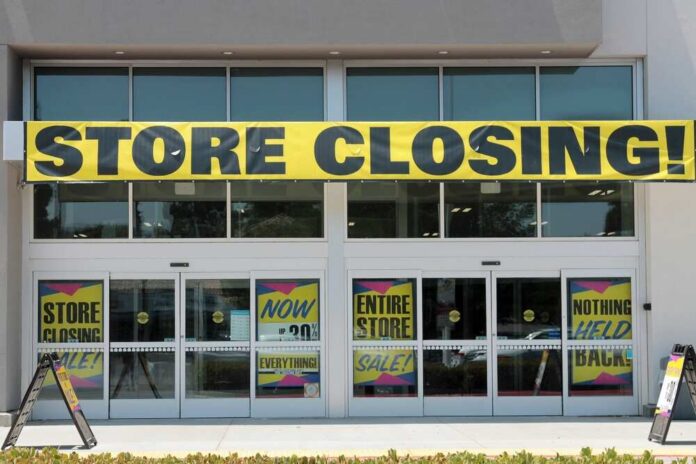
Genesco closed 25 stores in a single quarter to cut costs, improve margins, and stabilize its balance sheet.
Story Snapshot
- Genesco closed 25 stores and opened 3 in fiscal Q2 2027, ending with 1,186 locations.
- Quarterly revenue fell 3% to about $530 million, while margins improved.
- Management framed closures as part of a plan to raise profitability and reduce debt.
- Retail turnarounds often start with pruning weak stores to boost cash flow and discipline.
Genesco Pulls The Cost Lever: 25 Closures, Fewer Bills, Clearer Math
Genesco said it opened three stores and closed 25 in fiscal second quarter 2027, finishing with 1,186 stores across Journeys, Schuh, Johnston & Murphy, and Little Burgundy. That move reduces rent and labor at weak locations, which flows straight to operating margin.
The quarter’s sales dipped to about $530 million, a 3% decline, but margin gains helped earnings versus last year’s loss-heavy period. This is classic retail triage: cut fixed costs first, then push productivity higher on what remains.
102-year-old mall retailer quietly closes 25 stores
Read more: https://t.co/6cmIc2qPNr pic.twitter.com/OXls8c8tXH
— TheStreet (@TheStreet) September 8, 2026
The company’s slides and earnings coverage linked performance to deliberate actions, including store closures and tighter discounting, which help gross margin and cash generation. That positioning fits a well-known pattern in retail turnarounds.
Leaders trim the footprint to lift sales per square foot, reduce overhead, and signal to lenders that they take cash discipline seriously. Investors tend to reward that focus when it shows up in cleaner income statements and steadier free cash flow.
Margins Over Miles: Why Smaller Can Be Stronger In Retail
The unit economics of a weak store rarely improve with time. A landlord may not cut rent enough. Traffic might not rebound. A smaller but healthier base can post higher average ticket and fewer markdowns, which defends margin even when sales slip.
Genesco leaned into that math in Q2, and it showed up in reported gross margin and operating income improvements compared with last year’s loss. That trade—less reach, more yield—often beats chasing volume at any cost.
Store closures are not a scarlet letter. Across retail, pruning locations is a standard retrenchment play when demand softens or money is expensive.
Academic research and industry playbooks show closures, expense control, and debt reduction as common first steps that improve survival odds and set a base for recovery.
The key is sequencing: stop the cash bleed, stabilize margin, then reinvest in what customers still love. Genesco’s quarter reads like that playbook in action.
The Quarter By The Numbers: Sales Down, Discipline Up
Revenue landed near $530 million, down about 3% year over year, a line that would worry any operator if viewed alone. Margin work helped offset that decline.
Reported gross margin reached into the low fifties percentage range, supported by factors including one-time tariff-related items, but also by strategic actions that reduced discounting and lowered structural costs.
Operating income ticked positive on a reported basis compared with a sizable loss a year ago, a pivot lenders and shareholders watch.
GENESCO $GCO Q2'27 EARNINGS HIGHLIGHTS
🟢 Net sales $529.9M vs $528.4M est | −3% YoY from $546.0M
🟢 Non-GAAP EPS ($0.83) vs ($1.37) est | improved from ($1.14)
🟢 GAAP diluted EPS $0.32 vs ($1.79) prior
🟢 Adj op loss ($8.3M) | −1.6% margin | vs ($14.3M) / −2.6% prior
🟢…— CHItrader (@CHItrader) September 3, 2026
The store count shift tells the story in plain terms. Genesco ended the quarter with 1,186 stores, down from earlier periods as closures outpaced openings. That smaller footprint, if well chosen, can lift average sales per store and lower occupancy expense.
The trade-off is thinner top-line growth for a time. But when interest costs bite and malls stay uneven, moves can protect jobs at the chain level and keep the brand viable.
What Matters Next: Debt, Cash, And A Tighter Core
Turnarounds fail when companies save on rent but ignore debt and cash flow. Genesco’s next checkpoints are clear: convert margin gains into free cash, reduce debt, and hold the line on discounting without hurting demand.
Management’s repeated message—optimize the store base and raise profitability—tracks with steps that have worked for other chains in recessionary playbooks. If those savings show up as stronger cash and lower leverage, the smaller network will look smarter quarter by quarter.
Sources:
finance.yahoo.com, scanx.trade, genesco.com, mmcginvest.com