
Six flight attendants felt sick over the middle of the Atlantic Ocean, and their airplane still had four hours to go before reaching land.
Quick Take
- American Airlines Flight 719 diverted to Dublin on July 25 after a reported odor sickened crew members mid-flight.
- The airline says the smell came from an onboard oven, though it has not released a full technical report.
- Six of nine flight attendants reported feeling unwell, and medics evaluated crew and at least one passenger after landing.
- Past American Airlines odor incidents show first explanations sometimes change once maintenance crews dig deeper.
What Happened Aboard Flight 719
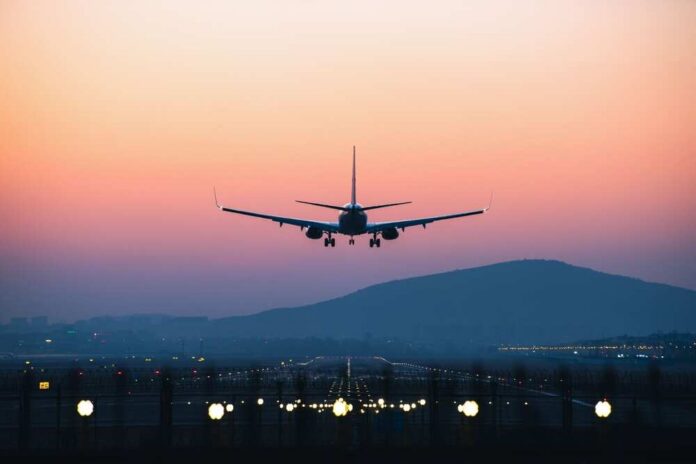
Flight 719 left Rome’s Fiumicino Airport headed for Philadelphia on July 25. About three hours in, while cruising at 39,000 feet over the North Atlantic, something started smelling wrong in the cabin.
The Boeing 787-9, tail number N840AN, was carrying 281 passengers and 12 crew members. Pilots made the call to change course rather than push on toward the United States.
An American Airlines flight from Rome to Philadelphia diverted to Dublin after a mysterious odor onboard caused six flight attendants to become ill. https://t.co/H2Lm6Ag3nK
— PennLive.com (@PennLive) July 29, 2026
Six of the plane’s nine flight attendants reported feeling lightheaded or ill during the flight. That is a striking number. It means two-thirds of the cabin crew working that flight were affected enough to report symptoms, which explains why the crew and captain treated this as more than a minor annoyance and diverted rather than waiting it out.
Why Dublin Became The Emergency Stop
Dublin sat closer than continuing on to Philadelphia, and Ireland has the airport infrastructure to handle a widebody jet and any medical response it might need.
The flight landed there without further incident. Paramedics met the aircraft and evaluated the affected flight attendants along with at least one passenger before releasing them, according to reporting on the incident.
American Airlines has said the diversion happened because of a reported odor onboard caused by an oven. A spokesperson gave a similar explanation to FOX Business, tying the smell to an onboard oven rather than anything more serious like fumes from the engines or air system. That distinction matters. A galley oven issue is a maintenance fix. Contaminated bleed air is a much bigger safety conversation.
What The Airline Has Not Said Yet
Here is where a skeptical reader should pump the brakes before calling this case closed. American Airlines gave a cause, but it has not shared the maintenance findings, inspection records, or technical write-up that would confirm the oven theory beyond a public statement.
Reporters covering the story noted the carrier did not provide additional specifics. That is not the same as saying the airline is wrong. It just means the public has one sentence, not a full report.
This gap is common in aviation reporting, and it deserves attention rather than alarm. Odor events on planes are notoriously hard to pin down fast.
Cabin smells can come from something as simple as a galley oven or spilled cleaning liquid, but they can also overlap with symptoms tied to fume events, which is why outlets and aviation analysts often treat a first explanation as preliminary rather than final.
History Offers A Reason For Caution
American Airlines has been down this road before. In 2019, the airline first blamed a diverted London-to-Philadelphia flight on a spilled cleaning product after two crew members passed out.
The airline later reversed course, saying its own maintenance team determined the cleaning solution was not actually the cause. That reversal is a fair reason for reporters and passengers alike to want documentation, not just a statement, before treating any single cause as the last word.
None of this means Flight 719’s oven explanation is false. The available reporting offers no maintenance log, no regulator finding, and no named source that contradicts the airline’s account.
What it does mean is that a responsible reader should hold the explanation as the current best answer, not a closed case, until American Airlines or aviation regulators release the underlying inspection findings.
For now, the passengers and crew are safe, the plane landed without incident, and everyone was released. That is the part nobody disputes.
Sources:
foxbusiness.com, usatoday.com, nypost.com, bbc.co.uk, aeroinside.com