
At a shrine famed for healing, the pope told the world that ending life is not care.
Story Snapshot
- Pope Leo XIV condemned assisted dying as “false compassion” in Lourdes.
- He spoke to a vast crowd during Sunday Mass at the French healing shrine.
- He tied the message to human dignity in sickness, suffering, and old age.
- He said the law’s permission does not make an act moral.
A forceful homily at a place built on hope
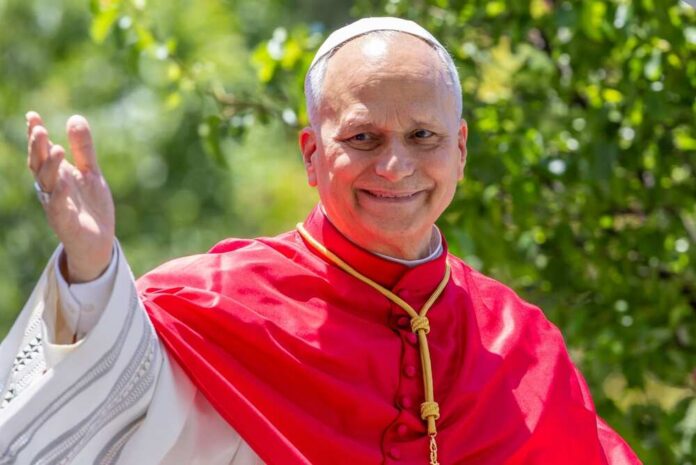
Pope Leo XIV stood in Lourdes and called assisted dying immoral “false compassion,” drawing a sharp line between caring for the sick and ending a life. He urged the faithful to reject any move that treats life as less valuable when a person is weak or in pain.
He told lawmakers and citizens that what is legal is not always moral, signaling a clash between policy and conscience. The setting mattered. Lourdes is known worldwide for prayer and healing, and for the sick who travel there seeking hope.
The crowd included many ill and disabled pilgrims, with wheelchairs visible across the field, which gave his words a human frame. He praised those who care for the suffering and asked health workers to treat the person, not remove the person.
That clear standard echoes long Catholic teaching on the dignity of every life, from embryo to the elderly. He did not parse every legal term, but he condemned the core idea: using medicine to cause death rather than to comfort and heal.
Pope Leo XIV criticized the legalization of medically assisted dying, calling it immoral and an example of "false compassion" during a visit on Sunday to Lourdes, the Catholic shrine in France associated with miraculous cures of the sick.
https://t.co/RKJ7axZh2A— CBS News (@CBSNews) September 27, 2026
Where faith meets France’s policy fight
The speech landed during a major shift in France’s end-of-life debate. The National Assembly backed a bill to allow assisted dying after years of public support for broader end-of-life choice, according to national and international reporting.
Polls in recent years have shown strong backing among French adults for some form of assisted dying, even as many palliative care leaders remain wary or opposed to changing the law. That split explains the heat: voters prize control and mercy; clinicians fear pressure and mission drift.
Supporters of the bill counter that strict rules and consent protect the vulnerable. But the pope’s critique warns that once the state calls death a treatment, guardrails can bend over time.
Healing culture versus a killing option
Lourdes offers a counter-witness to a culture that measures lives by utility. The shrine welcomes the weak first, seats them closest, and asks the strong to serve. That order flips the script that often drives end-of-life fear. People do not only fear pain; they fear being a burden.
A system that offers death as a legal option can feel like a nudge. The pope urged a better answer: access to palliative care everywhere, deep family support, and a promise that no one walks alone to the end.
Pope Leo XIV criticized the legalization of medically assisted dying, calling it immoral and an example of "false compassion" during a visit on Sunday to Lourdes, the Catholic shrine in France associated with miraculous cures of the sick.
https://t.co/RKJ7axZh2A— CBS News (@CBSNews) September 27, 2026
He also warned against redefining who counts as worthy of protection, from the unborn to the frail elderly. That view aligns with a seamless ethic of life. The logic is tight: if dignity is inherent, no stage of life falls outside the circle.
That claim does not settle policy by itself, but it sets a clear test: will the law shield the person in crisis, or shorten the path to their exit? In Lourdes, before thousands, the pope chose the harder road and asked France to do the same.
Sources:
abcnews.com, americamagazine.org, 2news.com, reuters.com, spcare.bmj.com