
A country reeling from earthquakes shut the sky, and María Corina Machado says she was the reason.
Story Snapshot
- Machado says Venezuela closed commercial airspace as she tried to fly home to help after earthquakes.
- Reports say her Panama-to-Caracas flight was canceled when airspace shut to commercial traffic.
- Airfield damage and safety limits overlapped with politics, blurring causes and intent.
- U.S. and Dutch roles surfaced in some accounts, adding confusion over who blocked what.
What Machado Claimed And Why It Landed With Force
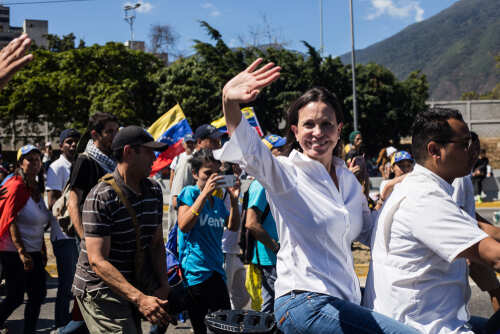
María Corina Machado stood in Panama and said the Venezuelan government closed the country’s commercial airspace to stop her return. She framed it as a political block during a national disaster response, not a neutral safety step. She added that the order stranded others who wanted to help at home after the June 24 quakes. The charge hit a nerve because it came while search, rescue, and relief teams scrambled to reach hard-hit areas and needed leaders to coordinate efforts.
Machado tied her blocked trip to a wider chill. She said authorities threatened people who tried to help her get back, and that flights across “all airlines” in an “emergency situation” were scrubbed. Her language was stark and personal, which rallied supporters and made headlines. It also raised a key question that matters beyond one figure: when do real safety closures turn into political tools during a crisis?
What We Know About The Flights And The Shuttered Sky
Reason reported her flight to Caracas was canceled after the government “suddenly closed” airspace to commercial traffic. Other outlets echoed that sequence: plan to fly, sudden airspace closure, cancellation. Reports also noted that the main airport serving Caracas suffered quake damage. One account said the civil aviation authority kept the primary runway closed until at least July 2, which forced restrictions and reroutes for days. Safety rules and damaged infrastructure clearly shaped operations.
Those facts create overlap, not clarity. An airport can be unsafe and also politically sensitive at the same time. Relief air corridors often open before regular passenger flights resume. That happened in Venezuela: cargo and aid flights moved under special authorizations while commercial schedules lagged. When the country’s most prominent opposition leader tries to return during that window, every cancellation looks like a choice. The public sees motive where officials may cite safety. That is the gray zone where narratives harden fast.
The Political Crosswinds: Competing Accounts And Cautions
Coverage did not stop at Caracas. Some reporting suggested confusion over whether United States or Dutch authorities also played a role in a separate Machado travel leg. Axios described a charter flight turned around after officials clarified policy, adding another layer of fog to an already heated story. El País summarized Washington’s message as calling politically charged moves “counterproductive” during relief, a phrase that fed claims of diplomatic caution overriding optics. None of that erases the core airspace shutdown that canceled her Panama flight, but it complicates the who-and-why narrative.
On balance, the claims that Venezuela’s government closed commercial airspace during that period align with multiple reports. The open question is intent. Did officials close lanes mainly for safety after runway damage, or to stall a high-profile return, or both? Machado points to deliberate targeting. The airport damage and formal restrictions point to safety needs that affected many travelers, not only her. The truth may be mixed: safety rules that also delivered a political delay. Voters should demand the paper trail to settle that.
What Common Sense Says Should Happen Next
The most credible next step is daylight. Venezuela’s civil aviation authority should release the notices to air missions, any orders restricting commercial traffic, and the reopen timeline. Airlines should publish the reason codes used to cancel flights on those dates. Machado’s team should disclose flight plans, carrier communications, and names of dispatchers or crew who received instructions. These records would show whether a rule applied to all, or if special blocks trailed flights linked to one passenger.
Americans value clear rules, not shifting ones. In a disaster, safety closures must be narrow, public, and time-stamped. Humanitarian corridors should be open and well advertised. Political disagreements should not decide who flies. If authorities, foreign or domestic, inserted political filters into air decisions, that deserves scrutiny. If safety drove the calls, leaders should prove it with documents and get skies reopened to regular passengers as soon as feasible. That is how trust returns after the tarmac goes quiet.
Sources:
newscord.org, reason.com, english.elpais.com, telegraph.co.uk, axios.com