

Centenarians worldwide tend to sip the same trio all day: water, coffee, and a little red wine.
Story Snapshot
- Blue Zones reporting highlights water, coffee, and red wine as common drinks among long-lived people.
- Dan Buettner ranks water first, then black coffee, then modest red wine with meals.
- Guides describe a daily rhythm: coffee at breakfast, tea in the afternoon, wine at 5 p.m., water all day.
- Red wine’s case often cites resveratrol, though benefits of alcohol remain debated.
What Blue Zones Actually Report About Daily Drinks
Blue Zones materials describe a consistent pattern across regions where people reach 100. They say residents mainly drink water, coffee, tea, and wine, without sugary sodas or energy drinks crowding the menu. The rhythm is simple and social. Coffee appears at breakfast. Tea shows up later in the day. A small glass of red wine often joins an afternoon or evening meal with friends. Water runs through the day as the base beverage, not a side note.
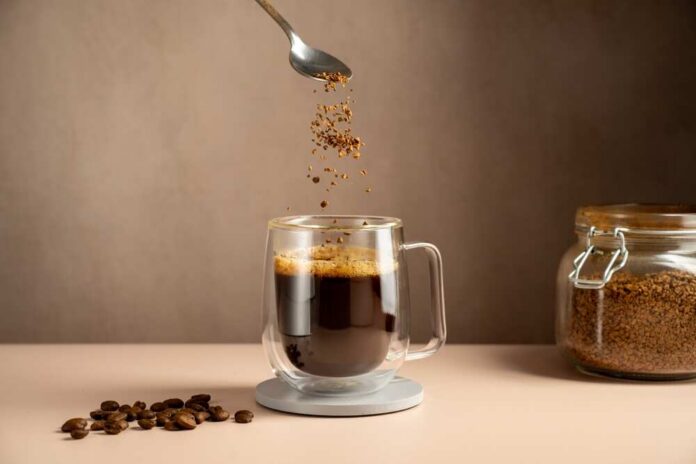
Dan Buettner has repeated a clear priority list in recent coverage: water first, then black coffee, then red wine with meals, if at all. The advice narrows coffee to one or two cups, stopping by noon. That timing aligns with sleep hygiene and a daily routine that values daylight activity. The wine note stresses small portions and company, not solo nightcaps. The theme is steady habits, light doses, and social context, not hacks or heavy rules.
How Much And When: The Habit Pattern, Not A Hack
The core message is about pattern, not a magic ingredient. Blue Zones pages say centenarians drink coffee daily, often up to two or three cups, and they keep it simple and unsweetened. Water remains the main fluid, tied to meals and movement, not to plastic jugs and gimmicks. Wine appears in small amounts, usually one glass, with food and friends. The drinks ride along with other stable habits: plant-forward meals, walking, and low stress built into daily life.
Wine draws the most attention because it links to resveratrol and flavonoids. Reporting often explains that these compounds have been studied for heart effects, which keeps the story sticky and memorable. The Blue Zones framing does not make wine the star. It presents wine as optional and modest, nested in a meal and a conversation, and balanced by a day rich in movement and fresh food.
What The Evidence Supports—and What It Does Not
The strongest facts here are observational. Multiple Blue Zones guides repeat the same drink pattern across different regions. They show what people who thrive tend to do, not a lab result that proves cause and effect. That still has value. A stable pattern across distinct cultures is a useful signal. It points to simple, low-cost behaviors that travel well: drink water by default, enjoy modest coffee early, and, where culturally normal, have a small glass of wine with meals.
Resveratrol research adds color but not certainty. Reviews and features have highlighted possible benefits from wine compounds, from cell models to animal work, and mixed human findings on heart and lifespan outcomes. That does not license big pours. It suggests why the wine note exists in the Blue Zones picture, while the broader lifestyle—whole foods, movement, faith or purpose, and strong social ties—carries most of the weight. One brief caveat: public health experts often warn that alcohol risk can outweigh potential benefits if intake rises.
For readers who want the bottom line that matches common sense and conservative values: stick to what is proven safe and sustainable. Make water your go-to. If you drink coffee, keep it plain, early, and moderate. If your culture includes wine, keep it small, with food, and with people you love. Do not chase supplements or “longevity” bottles. Build calm routines you can keep for decades. The quiet, boring choices tend to win.
Practical Takeaways You Can Use Today
Set a simple drink schedule you barely have to think about. Start your morning with water before coffee. Keep coffee to one or two cups, then switch to water or tea by lunchtime. Carry a plain water bottle and refill it at meals. If you choose wine, pair one small glass with dinner at home around the table. Combine these with a short daily walk and a plant-forward plate. These steps mirror the Blue Zones pattern without turning your kitchen into a lab.
Sources:
foxnews.com, bluezones.com, mediafax.ro, castanet.net, adevarul.ro