

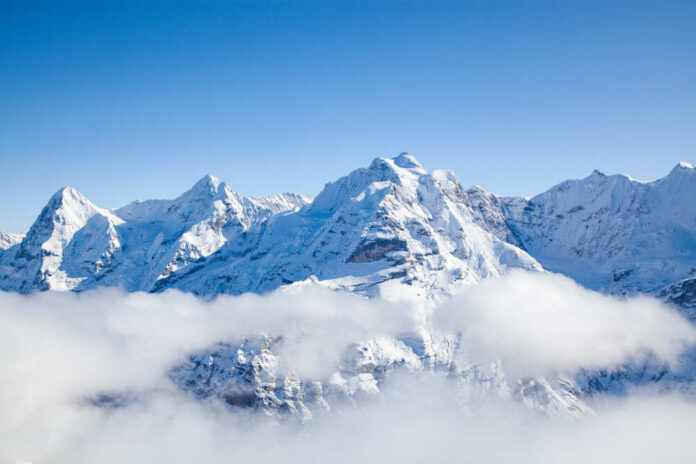
A 57-year-old German climber reached Ama Dablam’s summit, then fell nearly a mile to his death the next day.
Story Snapshot
- Wolfgang Waschiczek summited Ama Dablam on October 25, then vanished during descent the next day.
- A helicopter team found his body around 4,500–4,600 meters on the mountain.
- Recovery teams linked the fall to a drop of roughly 1,500–1,700 meters.
- Expedition leaders coordinated the search and body transport after he was reported missing.
The Summit, The Descent, The Disappearance
Expedition officials said Wolfgang Waschiczek stood on Ama Dablam’s 6,812-meter summit on October 25. He and guide Sonam Lama returned to Camp Three, at roughly 6,200 meters, that evening. The next day, the team prepared to descend. Waschiczek went missing soon after. The mountain’s upper ridges demand steady focus and exact footwork. One slip on hard ice or exposed rock can be final. Crews raised the alarm quickly after contact was lost.
Search organizers reported a large fall during the descent. Reports placed the fall distance between 1,500 and 1,700 meters. That range equals about 4,920 to 5,600 feet, which is consistent with “nearly 5,000 feet” headlines. These are steep, unforgiving slopes. Fixed lines can help, but they do not erase risk. The fall line tracks the terrain below Camp Three, where the route drops toward lower camps and broken glacial ground.
How Crews Found Him
Rescuers launched a helicopter search after the missing report. The aircraft and ground teams scanned the fall lines below Camp Three. Crews located Waschiczek’s body at around 4,500 to 4,600 meters, far below his last reported high camp. Recovery teams then lifted him from the mountain and moved him for transport to Lukla and onward handling. Named expedition leaders, including Real Himalaya personnel, coordinated calls and logistics for the search and recovery.
Officials have not publicly named a single cause that triggered the fall. On terrain like Ama Dablam, many small factors add up fast. Fatigue from the summit push. Thin air that dulls judgment. Hard, wind-stripped ice. A snagged crampon or a missed carabiner clip. One minor error at altitude can cascade. The facts are documented: the summit, the return to Camp Three, the disappearance during descent, and the recovery far below.
Why Descent Often Turns Deadly
Himalayan accident records show a clear pattern. More climbers die on the way down than on the way up. The British Medical Journal’s analysis of deaths on Mount Everest from 1921 to 2006 found most fatalities above 8,000 meters happened during the descent from the summit. The reasons fit common sense. The body is drained after the push. Weather often worsens late in the day. Focus fades. Technical exposure stays the same, but the margin for error narrows.
🔴 German climber dies in 5,000-foot fall day after summiting Ama Dablam
Wolfgang Waschiczek, 57, fell approximately 1,500 meters from Camp 3 on Monday, one day after reaching the 6,812-meter summit of Ama Dablam in Nepal's Khumbu region. His guide Sonam Lama left him in a tent… pic.twitter.com/4nWCvyPV6c
— NewsTongue (@NewsTongueX) October 27, 2026
Ama Dablam amplifies these risks. The peak is lower than Mount Everest but sharper, with long, exposed sections. The classic route stacks rock, snow, and ice moves, one after another. Camp Three sits beneath hanging ice cliffs that have a tragic history, underscoring how little slack the mountain gives. Climbers face real consequences for small mistakes here. The reported fall distance, the body’s position, and the timeline align with this route’s known hazards.
What The Facts Say, And What They Do Not
The reporting agrees on core points. Waschiczek summited on October 25, was last at Camp Three that night, went missing the next day during descent, and was later found and recovered by helicopter around 4,500–4,600 meters. The estimated fall distance spans 1,500–1,700 meters, which supports the “nearly 5,000 feet” framing while making clear that the exact number is an estimate. That does not change the bottom line. A steep, long fall ended a summit success within hours.
This case mirrors how many mountain deaths read in the official record: strong climber, successful summit, fatal descent. The explanation is not mystical. It is human. Fatigue and thin air test even well-prepared athletes. Technical terrain punishes lapses. Conservative instincts say respect the descent as much as the climb. That is not fear talking; it is common sense earned the hard way by those who have been there and come back to tell others.
Sources:
cbsnews.com, independent.co.uk, thehimalayantimes.com, telegraphindia.com, nampa.org, english.onlinekhabar.com, bmj.com, en.wikipedia.org