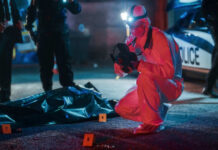


A one-year-old is dead, the state called the shooting justified, and the officer walked away from the badge anyway.
Story Snapshot
- Mississippi’s attorney general said the shooting was legally justified and filed no charges.
- State investigators said the driver sped toward officers before shots were fired.
- The officer resigned days after the clearance, fueling new outrage and questions.
- The family’s lawyer says the fatal side shot was not justified and wants a federal review.
What The State Says Happened
The Mississippi Attorney General’s Office announced the officer’s use of force was justified under state law and said no criminal charges would be filed. The Mississippi Bureau of Investigation led the probe and released a redacted report plus video clips. The report said officers tried to stop a vehicle after a shoplifting call, and the driver moved the car toward officers. One officer then fired several rounds at the car with a baby inside, and one-year-old Kohen Wiley was killed.
Body-camera footage released by the state shows the tense moment in the Walmart parking lot. Officers with guns drawn shout commands. The vehicle appears to move in their direction, and shots ring out. The footage does not answer every question. It does capture a split-second decision in a moving-vehicle encounter, a type of case that often draws sharp debate over tactics and timing. The state’s legal review still concluded the fire was lawful and justified.
The Resignation And The Fallout
Officer Hunter Foster resigned from the Senatobia Police Department after the attorney general’s decision cleared him of criminal liability. The interim police chief also resigned. City leaders confirmed the departures but did not offer a full public explanation. A resignation is not proof of wrongdoing. It does, however, leave a hole. People want to know what the department concluded about policy, training, and judgment on scene, beyond the state’s criminal decision.
Resignations after a high-profile clearance land hard with the public. They hint at strain inside the agency. They also raise a question that common sense asks first: if the shooting met the law, did it meet the department’s standards and the community’s expectations? That gap between “legal” and “wise” is where trust often lives or dies. Silence from leaders invites louder outside voices to define the narrative.
The Family’s Challenge And The Hard Questions
The Wiley family and attorney Ben Crump reject the state’s decision. They say the fatal bullet entered from the side and that the officer was not in imminent danger at that moment. They argue officers escalated too fast in a case that began as alleged shoplifting. They call for a federal investigation, the full release of records, and a shot-by-shot review. Their case zeroes in on whether the threat existed for every round, not just the first.
The mother says she warned officers that a baby was in the car and disputes that the driver steered toward police. That claim sits at the heart of public anger. If officers knew a child was there, why shoot into the vehicle at all? The official summaries do not fully settle that point. The available video gives context but not perfect clarity on position, timing, and lines of fire for each shot.
The Policy Lens That Could Stop The Next One
Many agencies restrict firing at moving vehicles because bullets rarely solve the hazard and often add new risks. Experts who reviewed the footage split in their views. One saw a car as a deadly weapon racing toward officers. Another faulted positioning and tactics near a running car, especially over an alleged misdemeanor theft. Both views share one lesson: planning and distance matter when cars move and seconds vanish.
Conservative values stress order, personal duty, and clear rules of engagement. That frame points to three fixes. First, publish the department’s deadly force policy and training records for moving-vehicle stops. Second, adopt strict limits on shooting at cars except when someone uses another deadly weapon. Third, release as much of the investigative file as the law allows. Transparency protects both good officers and the public’s right to judge facts, not rumors.
What Accountability Should Look Like Now
Law sets the floor, not the ceiling. A state can say “no crime,” and a city can still ask, “Did we do this right?” The city should commission an outside administrative review that maps each shot to video timestamps, diagrams officer positions, and compares choices to policy. Leaders should brief the community with that analysis. Facts beat chants. Detailed timelines curb guesswork and rebuild trust faster than press lines ever will.
BREAKING: The police officer who shot and killed 1-year-old Kohen Wiley outside a Walmart in Mississippi has resigned from the department. pic.twitter.com/ybtxOxAMVQ
— Daily Loud (@DailyLoud) October 24, 2026
One child’s death should force a tight loop of learning. If training failed, fix it. If policy is vague, sharpen it. If tactics put officers into the car’s path, change them. And if the family’s side-shot claim stands up to full forensic review, then own the mistake and correct course. That is not anti-police. That is how a serious department protects life, guards liberty, and earns respect the hard way.
Sources:
nbcnews.com, abcnews.com, commercialappeal.com, daijiworld.com