
BREAKING NEWS UPDATE: CASTRO HAS BEEN INDICTED BY A FEDERAL GRAND JURY
Four men died in the sky in 1996, and three decades later, Washington is weighing whether Raúl Castro should finally face an American courtroom for it.
Story Snapshot
- Federal officials signaled steps toward an indictment of Raúl Castro tied to the 1996 Brothers to the Rescue shootdown that killed four people [1].
- Lawmakers from South Florida publicly pressed for charges, adding political force to a long-simmering case [4].
- The grand jury gate remains: no public charging instrument has surfaced yet [1].
- The case blends law, foreign policy, and diaspora politics—making evidence clarity crucial to public trust [1][4].
The 1996 Shootdown And Why It Still Matters
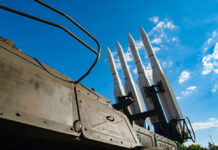
Two small Cessna planes flown by Brothers to the Rescue fell to missiles near or over international waters on a February day in 1996. A Cuban MiG-29 fighter intercepted and destroyed the civilian aircraft, killing four men whose names remain a rallying cry in South Florida. That blunt fact—civilian planes downed and lives lost—anchors the push to hold senior Cuban leaders responsible under United States law, with a renewed focus on command authority and accountability [1].
At the time, Fidel Castro was Cuba’s head of state and Raúl Castro led the armed forces, a role that places him on the chain-of-command map central to any prosecution theory. Proponents argue that state action is indisputable and that leadership responsibility must be tested in court. Skeptics counter that role alone does not prove a personal order to fire. The absence of a public document specifying counts, venue, and jurisdiction keeps that debate unresolved in the record now available [1].
What Washington Is Actually Doing
Federal officials familiar with the matter signaled that the United States is taking steps to seek an indictment, a move that, if advanced, would still require grand jury approval before charges land in a docket. The Department of Justice declined public comment, which is common in sensitive matters but also fuels speculation. Without a filed indictment, the specific statutes—such as extraterritorial homicide provisions or terrorism-related counts—remain unconfirmed in open sources [1].
Members of Congress from South Florida added volume and visibility. Representative María Elvira Salazar, Representative Mario Díaz-Balart, Representative Carlos Giménez, and Representative Nicole Malliotakis issued a formal call urging indictment, tying legal accountability to a moral imperative felt intensely by Cuban exiles. That political momentum does not substitute for evidence, but it can shape timing, spotlight, and public expectations as prosecutors weigh their next step [4].
The Evidence Questions That Can Make Or Break The Case
Former federal prosecutors reportedly claimed that draft indictments targeting Fidel and Raúl Castro were prepared in the late 1990s but never approved, a tantalizing thread that suggests prior evidentiary development. The public record supplied does not include those drafts, the names of the prosecutors, or the internal memoranda explaining any declination.
By JOSHUA GOODMAN, ALANNA DURKIN RICHER and ERIC TUCKER MIAMI (AP) — The Justice Department is preparing to seek an indictment against former Cuban President Raúl Castro, three people familiar with the matter told The Associated Press on Frid… https://t.co/VEJAMjmw8W
— Capital Gazette (@capgaznews) May 15, 2026
Assertions that Cuban intelligence infiltrated Brothers to the Rescue, and that Fidel Castro acknowledged approval of the operation, would be powerful if documented with transcripts, certified translations, and chain-of-custody records. Without those, the case risks leaning on secondary reporting rather than primary proof. A durable indictment must connect Raúl Castro to specific acts or authorizations, address extraterritorial reach, and anticipate defenses about command responsibility, sovereign acts, and the long passage of time [2].
Law, Politics, And A Clock That Has Not Stopped
Three realities steer this story. First, the core facts of death and state involvement are well established in public reporting, which frames moral clarity for many Americans [1]. Second, the legal threshold remains higher than political certainty; grand juries, statutes, and admissibility rules do not bend to sentiment. Third, high-profile Florida advocacy ensures the case will be read through a political lens.
That makes prosecutorial discipline essential: build on verifiable records, avoid overreach, and let the evidence—not the microphones—carry the burden [1][4].
The families of the four dead have waited thirty years. Accountability that survives appeal requires more than a headline. It requires a charging document that names counts, cites statutes, and ties a commander’s fingerprints to the kill chain. If prosecutors can walk that path, the law is the right venue. If not, policymakers should say so plainly. Justice is not a press conference; it is a record that endures.
Sources:
[1] Web – U.S. moving to indict Cuba’s Raúl Castro, sources say – CBS News
[2] YouTube – Cuba’s Raul Castro’s indictment is set to coincide with Miami event …
[4] Web – Salazar, Díaz-Balart, Giménez, and Malliotakis Call for Indictment of …