
The team reached Nikumaroro, probed a decades-old lagoon anomaly, and ruled out Earhart’s plane.
Story Snapshot
- A 17-person expedition landed at Nikumaroro and began on-site work on October 13, 2026.
- The search targeted a specific “Taraia Object” seen in 1938 photos and 2020 satellite images.
- Purdue University, Purdue Research Foundation, and the Archaeological Legacy Institute led and funded the project.
- Researchers concluded the object was not Amelia Earhart’s Lockheed Electra 10-E.
The Mission That Went Straight to the Bull’s-Eye
The expedition did not wander the island; it homed in on one thing: the Taraia Object. The Archaeological Legacy Institute, working with Purdue University and Purdue Research Foundation, planned the operation around that target from the start. The object appeared in a 1938 aerial image and a 2020 satellite view, making it a rare, stable clue rather than a rumor. The plan was simple in design and tough in execution: get ashore, gear up, and find out what it is.
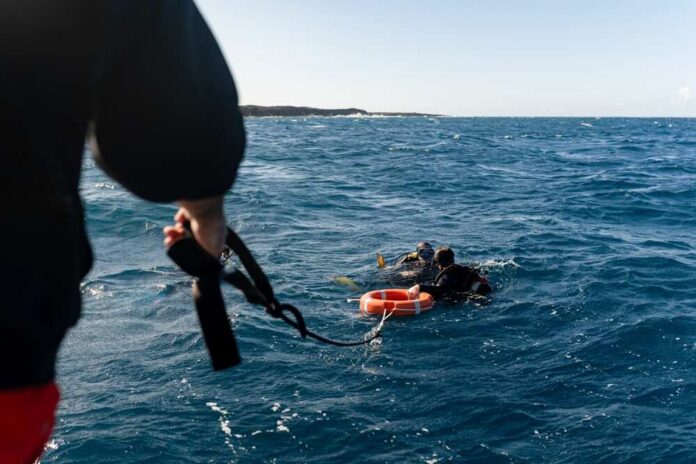
Purdue’s updates put names and roles on the effort. Archaeological Legacy Institute director Rick Pettigrew led the team. Purdue general counsel Steve Schultz joined, along with maritime archaeologists from Recon Offshore, a medic, a safety officer, and a representative from Kiribati’s Ministry of Line and Phoenix Islands Development. Seventeen people crossed hundreds of miles by sea to a remote atoll and stepped onto the island on October 13 to begin fieldwork
What They Searched, and Why It Mattered
The “why” behind the target linked to the long-running Nikumaroro hypothesis: Amelia Earhart and Fred Noonan may have landed on or near the atoll and tried to survive there. Years of work by Archaeological Legacy Institute and researchers tied to The International Group for Historic Aircraft Recovery informed that view. A visible, persistent shape in a shallow lagoon offered a testable link. If aircraft-grade material sat there, the team could document it, sample it, and compare it with known Lockheed Electra specifications.
The “what” was more stubborn than the photos hinted. Satellite and aerial images can trick the eye. Water depth, tide, glare, coral, and tree shadows can shape patterns that look like machinery. The team’s value came from contact, not pixels. They brought people, tools, and a checklist. They aimed to answer a yes-or-no question first, then refine the site picture. That disciplined approach kept the focus on verifiable facts rather than romance and legend.
The Result: A Clear No on the Taraia Object
Fieldwork delivered a hard answer. The object in the lagoon was not Amelia Earhart’s plane. The team ruled out the Lockheed Electra 10-E as the ideal match, and the operation ended without aircraft confirmation. That result does not erase the broader Nikumaroro idea, but it closes the door on this specific clue. For a case known for wishful thinking, a clean negative is progress. It moves resources away from a mirage and toward testable leads.
🚨 AMELIA EARHART EXPEDITION ENDS IN DISAPPOINTMENT — MYSTERIOUS “PLANE WRECKAGE” TURNS OUT TO BE TREES
Nearly 90 years after Amelia Earhart vanished over the Pacific Ocean, a Purdue University-backed expedition to a remote island has ruled out another promising clue.
▪️ 17…
— MDBayNews (@MDBayNews) October 19, 2026
Readers who value clear process should note what this expedition did right. It set a narrow target. It put a named team on the ground. It shared dates, roles, and steps in public updates. It then accepted the outcome and said so plainly. That is how historical investigation should work. One concise caveat is fair: public summaries do not include full technical datasets. Institutions can build trust by releasing raw imagery, maps, and survey records when feasible.
What Comes Next for a Mystery That Refuses to Die
Future work should split into two tracks. Track one is a complete technical release on the Taraia inspection so that outside experts can review methods and conclusions in detail. Track two is a fresh look at the larger Nikumaroro record, not chained to one lagoon feature. That means reanalyzing archival photographs, radio logs, and prior surveys with modern tools and documented custody. That path fits conservative common sense: test claims, publish data, and let the evidence lead.