

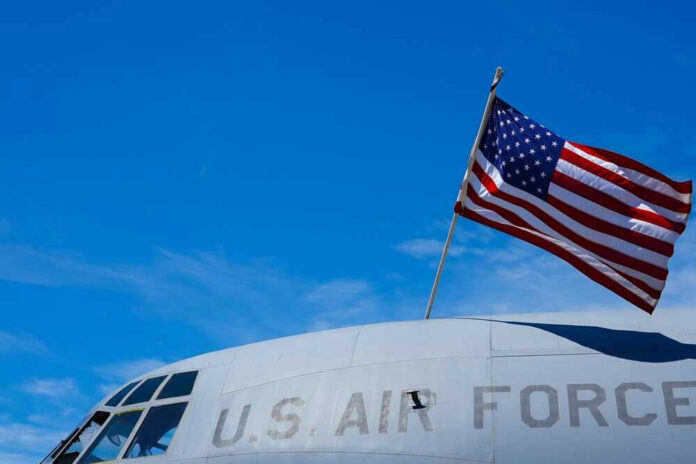
Prosecutors say a man with an axe tore through a parked U.S. C-130H at Ireland’s Shannon Airport and left a $60 million aircraft unflyable.
Story Snapshot
- Federal prosecutors charged Daithi O’Corrain with destroying a U.S. military C-130H in Ireland.
- Alleged damage includes cut wires, ruined gauges, fuel system strikes, and a crushed oxygen line.
- The aircraft was allegedly rendered inoperable and will not return to service, prosecutors said.
- The episode fits years of protest actions tied to U.S. military use of Shannon Airport.
What prosecutors say happened on the ramp at Shannon
The U.S. Department of Justice announced an indictment charging Daithi O’Corrain, also known as David Curran, with destroying a U.S. Air National Guard C-130H at Shannon Airport on April 11. Prosecutors say he breached the airport’s security perimeter, entered the aircraft, and used an axe to damage critical systems inside and outside the plane. The charge describes a direct attack on an aircraft used to transport U.S. personnel and equipment. The government alleges the damage ended the aircraft’s flying life.
FBI New York and @SDNYnews announced charges against Daithi O’Corrain, an Irish national, for allegedly breaking into and destroying a U.S. military C-130H aircraft parked at Shannon Airport in County Clare, Ireland. On or about the morning of April 11, 2026, Daithi O’Corrain… pic.twitter.com/NFYw2AaY7j
— FBI New York (@NewYorkFBI) November 17, 2026
The indictment’s description reads like a maintenance nightmare. Prosecutors list cut wire bundles and hydraulic lines, destroyed cockpit gauges, punctured air ducts, and damage to the fuel system. They also allege he crimped a liquid-oxygen line, which supports crew life support and firefighting functions. Crew members reportedly saw a man exit the roof hatch and strike the exterior with an axe. Those observations and images referenced in the case form key parts of the government’s narrative.
How the case moved from airport tarmac to U.S. court
The Southern District of New York unsealed the case after investigators identified O’Corrain and tied him to the April incident. Major outlets reported the same core details: the date, location, aircraft type, and damages. Reports also cited visual evidence noted in the charging documents, including a video still of a man standing on the C-130’s roof. The Air National Guard aircraft was valued at about $60 million, according to prosecutors quoted in the coverage. A criminal charge is an allegation until proven in court.
Prosecutors say the aircraft will never fly again due to the extent of the damage. That claim carries real cost beyond the dollar tag. A C-130H hauls people and cargo across rough strips and emergencies. Losing one reduces surge capacity and strains already tight fleets. From a conservative, common-sense view, the public expects secure ramps and firm consequences when someone targets military hardware. Taxpayers should not fund a revolving door for offenders who turn wrenches into weapons against property they paid for.
Security, access control, and the soft underbelly of mixed-use fields
Airports that host military stopovers must blend civilian openness with military protection. Shannon Airport sits at that fault line. Prosecutors say the suspect crossed a fence line or barrier, reached a high-value aircraft, and had time to cause complex damage. That picture suggests a failure in layers: perimeter detection, patrol response, and asset hardening. Operators should review fencing, cameras, lighting, and guard coverage, and then test them with red-team drills that mimic real intruders.
Hardening a parked aircraft is not hard to imagine. Lock and alarm every hatch. Use tamper seals and intrusion sensors in the cockpit and avionics bays. Park in lit, fenced pens with clear lines of sight. Post roving patrols who log face-to-face checks. Store tools and ladders out of reach. None of this is glamorous, but it denies time, which is what saboteurs need most. A secure apron also protects civilian carriers and airport workers who share that space.
Why Shannon keeps landing in the headlines
Shannon has hosted U.S. troop flights and cargo runs for decades, and that traffic has sparked recurring protests over Ireland’s neutrality and U.S. wars. Past actions at the airport have included trespass, defacement, and attacks on military aircraft by activists opposed to the missions. That long pattern makes this alleged axe attack part of a known cycle of direct action at the airport, rather than a random first-time event. Irish and international reports detail those roots clearly.
Civil debate over foreign policy is a good thing. Cutting fuel lines and smashing gauges on a military transport is not debate. It is criminal damage that risks lives and drains public funds. Peaceful protest has legal channels that do not put aircrews, airport staff, or passengers at risk. The justice process will decide guilt and punishment in this case. The security lesson does not need to wait. Close the gaps, protect the ramp, and keep mission aircraft ready to fly.
Sources:
cbsnews.com, justice.gov, abcnews.com, independent.ie