

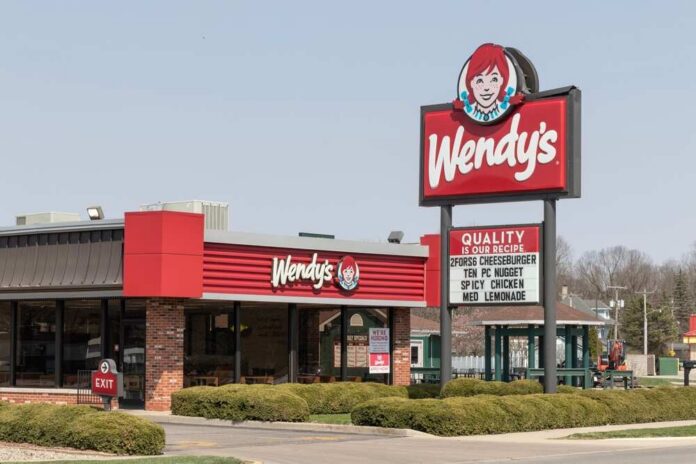
Burger King just took back a title Wendy’s held for six straight years, and the numbers behind the swap tell a bigger story about who is winning the fast-food burger wars.
Quick Take
- Burger King reclaimed the No. 2 spot among U.S. burger chains by systemwide sales, ending Wendy’s six-year run in that position.
- Burger King posted $3.2 billion in second-quarter system sales, compared to Wendy’s $2.9 billion.
- Wendy’s has now reported falling U.S. same-store sales for six straight quarters.
- Burger King’s U.S. same-store sales rose 8.5% last quarter, part of a five-quarter growth streak.
- McDonald’s remains the dominant No. 1 burger chain by a wide margin, untouched by this shakeup.
A Ranking Six Years In The Making Just Flipped
Burger King has retaken its place as the second-largest burger chain in the country by systemwide sales, according to Cable News Business Channel (CNBC) reporting from August 2026. The chain lost that spot to Wendy’s back in 2021. Now it’s back on top of Wendy’s, trailing only McDonald’s.
Nation’s Restaurant News confirms the same shift, calling it the first time Burger King has held the No. 2 position since 2021, based on second-quarter system sales figures.
Burger King dethrones struggling Wendy's 6-year run as America's 2nd-largest burger chain https://t.co/vjjlNF61Ss pic.twitter.com/MnYCFGzRxs
— New York Post (@nypost) August 10, 2026
The numbers are not close. Burger King posted $3.2 billion in systemwide sales for the quarter. Wendy’s came in at $2.9 billion, a gap of roughly $300 million in just three months. That’s not a rounding error. It’s a clear signal that momentum has swung hard in one direction, and it did not happen overnight.
Burger King’s turnaround has been building for more than a year. The chain has notched five straight quarters of positive same-store sales growth in the United States, with an 8.5% jump in the most recent quarter alone.
That kind of sustained improvement usually points to something real happening on the ground, whether it’s menu changes, remodeled stores, or smarter pricing that actually pulls customers back through the drive-through line.
Wendy’s Slide Has Been Slow And Steady
Wendy’s problems did not appear out of nowhere. The company has reported shrinking U.S. same-store sales for six consecutive quarters, a stretch long enough to rule out a one-off bad month.
Nation’s Restaurant News reports that Wendy’s systemwide sales fell 8.2% in the second quarter, with customer traffic down a steep 12.5%. Store closures compounded the damage, shrinking the overall footprint at the exact moment competitors were gaining ground.
The company has taken visible steps to respond. Wendy’s has pulled back its 2026 financial forecast and cut its dividend, moves that typically signal leadership sees real trouble ahead, not just a temporary rough patch.
Executives have also pointed to breakfast pullback and fewer promotional discounts as factors squeezing traffic, according to Nation’s Restaurant News reporting. Those are business decisions, not bad luck, and they carry consequences.
Why The Word “Systemwide” Matters Here
Systemwide sales measure total revenue across every location in a chain, company-owned and franchised alike. It’s the standard yardstick the restaurant industry uses to rank brands against each other, and it’s different from a single company’s reported quarterly earnings.
That distinction matters because a chain can add or lose ground simply by opening or closing stores, not just by selling more burgers at existing locations.
That’s worth keeping in mind before crowning Burger King the outright superior brand. The available reporting shows Burger King outsold Wendy’s on this specific measure for this specific quarter.
It does not prove Burger King wins on every metric, from profit margins to customer satisfaction to long-term brand loyalty. Rankings like this can shift again if either company changes course, opens new stores, or adjusts pricing strategy.
Restaurant Brands International, Burger King’s parent company, naturally has reason to promote this turnaround story. A rising No. 2 ranking helps recruit franchisees and reassures investors watching the stock.
That doesn’t make the sales figures untrue, but readers should recognize that corporate messaging and hard data often travel together in these announcements, and it pays to separate the spin from the substance.
For everyday customers, the practical takeaway is simpler than any spreadsheet. Burger King has spent over a year making changes that are pulling people back in, while Wendy’s has spent that same stretch losing them.
Six straight quarters of decline is not a blip Wendy’s can blame on the weather or a slow news cycle. It’s a trend, and trends in the restaurant business tend to keep moving in the direction they’re already headed until something forces a real change.
Sources:
foxbusiness.com, marketwatch.com, cnbc.com