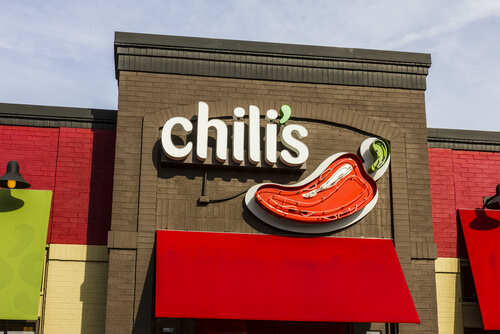
Three sips of margarita turned into mouth burns because a granulated degreaser sat in an unlabeled container near the bar.
Story Snapshot
- Health officials say a degreaser was mistaken for a drink ingredient and used in margaritas.
- Three customers and two employees reported immediate burning and chemical burns.
- The health district suspended the permit, ordered sanitation, then cleared reopening.
- No fines were issued after inspectors confirmed the restaurant met the corrective steps.
What Happened Inside the Forest City Chili’s
Foothills Health District investigators said a contracted power-washing worker handed over a granulated degreaser on October 26. A restaurant employee put it into an unlabeled container and left it near the bar. Two days later, staff used the contents during bar prep. After opening, customers who ordered margaritas reported sharp burning in and around their mouths. Two employees also had symptoms after tasting or handling the substance. Officials tied the injuries to the mistaken use of the cleaner.
NBC News reported that the health district’s timeline matches the exposure pattern. The handoff happened on October 26. Bar prep with the substance took place on October 28. Customers were exposed after service began that same day. Accounts vary on the exact step, with some reports framing the substance as mistaken for sugar or salt. The common thread is clear: an unlabeled, granulated cleaner entered the drink area and ended up in margaritas served to guests.
Injuries, Response, and Reopening
Three customers experienced immediate pain and mouth burns after sipping their margaritas. Two employees reported similar symptoms after tasting or handling the material. Staff sought medical help, and officials opened an on-site investigation. The health district suspended the restaurant’s food-service permit and ordered sanitation of food-prep areas, equipment, and surfaces. Inspectors later cleared the location to reopen after confirming it met the applicable food-safety requirements. The spokesperson said no fines were issued.
Charlotte Observer coverage echoed that officials tied the burns to a cleaner mixed into drinks and confirmed the enforcement steps. The pattern matches a known hazard: toxic chemicals crossing into food prep because of poor labeling and storage controls. The official account states the establishment corrected issues to the district’s standards before reopening. The incident remains a reminder that a single chemical slip can injure guests quickly and erode trust even faster.
North Carolina Chili's customers suffer chemical burns after drinking margaritas in nightmare mix-up https://t.co/bObhjNtOvT pic.twitter.com/XmmCb5dfcU
— New York Post (@nypost) October 30, 2026
How a Common Control Fails in the Real World
The Food and Drug Administration Food Code requires all containers of poisonous or toxic materials to bear clear manufacturer labels. Working containers taken from bulk supplies must be clearly and individually marked with the common name. These rules exist to prevent exactly this pathway: a cleaner that looks like a food ingredient enters a prep zone and gets mistaken for part of a recipe. When labels vanish, people rely on guesswork under time pressure, and injuries follow.
Restaurants that handle contractors, chemicals, and busy bars need hard lines. Keep nonfood chemicals out of food areas. Train every employee to label, segregate, and question any container with unknown contents—limit who can accept contractor materials. Lock down the bar station so only food-grade items enter it. These steps reflect common sense and align with American conservative values: protect customers, set clear rules, enforce them, and hold people accountable when they ignore basics.
What This Means for Diners and Operators
Diners should speak up the moment a drink or dish tastes wrong or causes burning. Stop drinking, rinse with water, and seek care if symptoms persist. Ask staff to document the event. Operators should assume that an unlabeled container is a risk, not a mystery to solve later. Document contractor handoffs, contact label, and store chemicals away from bars and kitchens. When incidents happen, act fast: pull products, call health officials, and fix the control gaps before the next shift starts.
Sources:
nbcnews.com, kmph.com, charlotteobserver.com, kansascity.com, fda.gov