

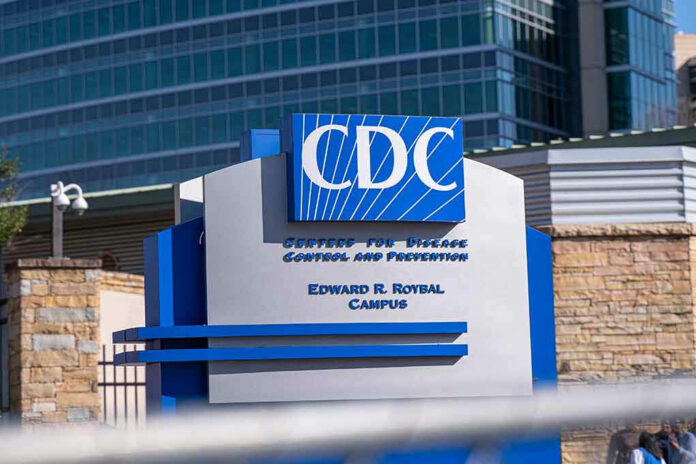
The Centers for Disease Control and Prevention (CDC) says flu has already sickened at least 1 million Americans this season, with 16,000 landing in the hospital and 900 dead.
Quick Take
- The CDC’s Week 42 report, covering through October 24, 2026, puts the season’s toll at 1 million illnesses, 16,000 hospitalizations, and 900 deaths.
- These numbers come from a math model, not a door-to-door count, because most sick people never get tested.
- The CDC has used this same modeling method since 2010, built on hospital surveillance covering about 9 to 10 percent of the country.
- Early-season numbers are preliminary and will be revised as more data rolls in each week.
What The CDC Actually Reported
The CDC’s FluView surveillance system published the 1 million figure in its weekly report for the week ending October 24, 2026. The agency stated plainly that it estimates “at least 1,000,000 illnesses, 16,000 hospitalizations, and 900 deaths from flu so far this season”. ABC News picked up the same numbers days later, confirming the figures matched the CDC’s own release.
These three numbers work together as a package. Rising hospitalizations and deaths alongside the illness estimate tell public health officials that flu is already spreading at a real clip this early in the season. That combination gives health departments a reason to push flu shots now, before the usual winter surge hits full force.
Why The CDC Guesses Instead Of Counts
Nobody walks into a hospital every time they catch the flu. Most people ride it out at home with soup and rest, never seeing a doctor or taking a test. The CDC says flatly that “not everyone who gets sick with flu will seek medical care or be tested for influenza”. That is exactly why the agency builds a model instead of tallying lab results one by one.
That model is not new or untested. The CDC has used it since 2010, anchored by a hospital network called FluSurv-NET that tracks confirmed flu hospitalizations across roughly 9 to 10 percent of the United States population. Analysts then scale those hospital numbers up to estimate total illnesses, doctor visits, and deaths nationwide. It is the same basic method behind every flu season report the agency has issued for over a decade.
A Number That Will Keep Moving
The CDC labels this data preliminary, and that label matters. Flu season officially runs from epidemiologic Week 40 through Week 39 of the following year, meaning the 1 million figure only reflects a few weeks of a season that stretches into spring. Expect the number to climb substantially as winter deepens and more reports filter in.
Weekly revisions are built into the process. The CDC updates FluView every week as fresh data arrives from hospitals and labs around the country, which means the headline figure from one week can shift noticeably by the next. That is not a flaw in the system. It is how disease surveillance is supposed to work when you are tracking something moving in real time.
What Americans Should Take From This
For a working parent juggling school pickups and a packed calendar, the practical takeaway is simple. Flu is circulating widely enough that the CDC is already counting deaths in the hundreds and hospitalizations in the thousands, barely a month into the season. Getting a flu shot now, before Thanksgiving travel and holiday gatherings, is the most direct way to stay off that growing tally.
🚨 FLU THREAT GROWS ACROSS AMERICA!
🇺🇸 CDC estimates this season:
🔴 1 MILLION illnesses
🔴 16,000 hospitalizations
🔴 900 deaths
🔴 First pediatric deathFlu activity is rising. Early detection matters.#AveMariaBiotech #Biodetector #H1N1 pic.twitter.com/8818H6B2Tg
— Ave Maria Biotech, Inc. (@AveMariaBiotech) November 1, 2026
This season’s early numbers also serve as a reminder that public health reporting is a moving target by design, not by error. The CDC isn’t claiming to have counted every sniffle in America. It’s using a proven statistical method to give families and doctors a realistic picture of how bad things are getting, so people can make informed decisions before the numbers get worse.