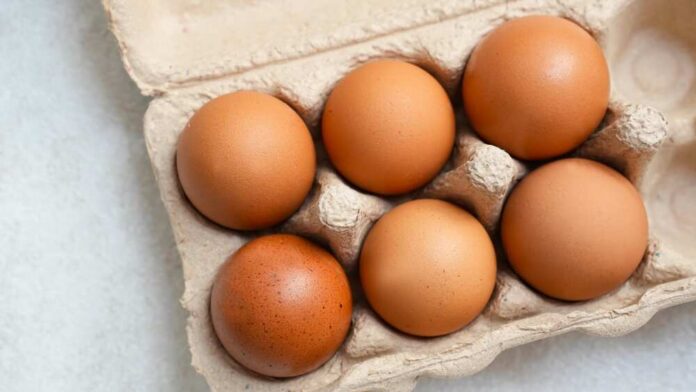
California officials tied a salmonella outbreak to specific lots of Happy Hens organic eggs and told people to stop eating them immediately.
At a Glance
- Twenty-three people in California got sick; seven were hospitalized; no deaths reported.
- Happy Hens issued a voluntary recall covering lots 223, 226, and 237 with named sell-by dates.
- Federal testing found Salmonella Enteritidis at the farm; the strain matched patient samples, officials said.
- County investigators linked raw-egg mayonnaise at a market to several cases.
State warning, named lots, and a clear do-not-eat message
The California Department of Public Health said 23 people fell ill in a summer salmonella outbreak tied to Happy Hens organic shell eggs, with seven hospitalizations and no deaths. The agency said the company began a voluntary recall on September 8.
The warning named three product lots and sell-by dates: lot 223 (sell by September 10), lot 226 (sell by September 13), and lot 237 (sell by September 24). The state told consumers not to eat, serve, or sell the recalled eggs.
Illnesses started between June 21 and August 16, which fits a sustained outbreak curve. That timing matters. Salmonella can incubate for days, and eggs distribute fast, often through small stores and cafes.
Targeted lot numbers help families and restaurants check fridges and storage rooms before breakfast turns into a trip to urgent care. The point is simple: when health officials link cases and name the lots, act first, ask questions later.
Eggs recalled as salmonella outbreak sickens 23 people https://t.co/4YIxeCzddl
— FOX Business (@FoxBusiness) September 17, 2026
What investigators say they found at the farm
Federal inspectors collected environmental samples at the Happy Hens ranch. Reports say the samples from poultry housing areas tested positive for Salmonella Enteritidis. Officials said genetic testing matched the strain found in sick people.
This is the gold standard in modern outbreak work: epidemiology points to a source, and lab work closes the loop with a strain match. That is why recalls in egg outbreaks move fast once the match appears.
Public health does not wait for a smoking gun on every carton. The pattern has played out before. The Food and Drug Administration and the Centers for Disease Control and Prevention describe recent egg outbreaks where epidemiology, traceback, and lab data lined up, followed by recalls to pull product from kitchens before more people got sick.
That sequence protects kids, seniors, and people with weak immune systems, who face the highest risk from this bug.
The raw-egg mayonnaise link in San Diego County
San Diego County investigators said unpasteurized Happy Hens eggs were used to make mayonnaise at Ramona Family Naturals Market. Investigators tied illness cases to both the market and the egg farm. This matters for two reasons.
First, homemade raw-egg sauces can amplify risk because a single contaminated egg can seed a large batch. Second, the link shows how a farm-to-deli chain can spread illness beyond people who crack eggs at home.
Consumers can still enjoy eggs safely with simple steps. Cook eggs until both the yolk and white are firm. Avoid recipes that use raw eggs unless the eggs are pasteurized. Restaurants and delis should use pasteurized egg products for dressings and aioli.
These steps do not dent flavor, and they break the chain that turns one bad egg into a community outbreak. State warnings are sharp because they aim to end that chain fast.
Why named-lot recalls beat blanket panic
Officials did not tell people to shun every egg, or even every Happy Hens egg. They named lots 223, 226, and 237 with clear sell-by dates and told people to throw them away or return them. That is targeted, not theatrical.
It matches how a responsible market should run: identify the risk, remove the problem, and keep safe food moving. That balance respects both public health and honest producers who do it right every day.
California warned consumers to avoid Happy Hens eggs after a salmonella outbreak: The California Department of Public Health issued a recall notice for Happy Hens brand organic shell eggs over possible salmonella contamination https://t.co/uGylknguR4 pic.twitter.com/ke9xfvypyM
— Quartz (@qz) September 14, 2026
Some coverage noted the ranch owner’s pushback. The owner questioned how agencies reached their results and said she was asked to make a voluntary recall. People can judge those comments in light of the reported lab findings and the strain match described by officials.
When the science points one way, prudence says follow it. That view tracks with both common sense: protect families first, then sort out disputes after the danger passes.
What to do now
Check your fridge for Happy Hens organic shell eggs from lots 223, 226, and 237. Look at the sell-by date listed in news coverage. If you have a match, do not eat them. Toss the eggs or return them to the store. Wash hands and wipe down any spot where the eggs sat.
If someone in your home has fever, stomach cramps, or diarrhea after eating eggs, call your doctor, especially for young children, older adults, or anyone with a weak immune system.
Sources:
foxbusiness.com, desertsun.com, health.com, geo.tv, nbcsandiego.com, foodsafetynews.com, marlerclark.com, marlerblog.com, fda.gov