
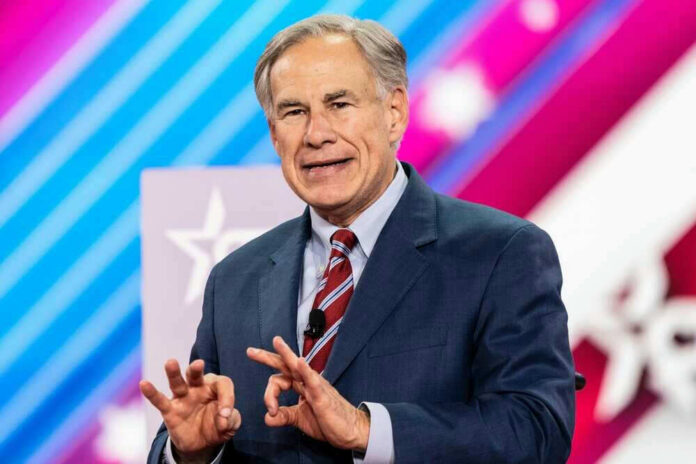
A federal judge in Texas refused to force Governor Greg Abbott to extradite an Immigration and Customs Enforcement officer to Minnesota, and that single word—denied—just rewrote the playbook on interstate accountability.
Story Snapshot
- A Texas federal judge declined to order extradition of ICE officer Christian Castro to Minnesota.
- Minnesota charged Castro with four counts of assault and one count of false reporting after a January shooting in Minneapolis.
- Abbott argues Castro may not be a fugitive because he returned to Texas on federal orders, not to flee.
- The ruling turns on timing and process, not guilt or innocence, keeping the legal fight alive.
What The Judge Actually Decided
Judge Fernando Rodriguez Jr. in Brownsville said the court cannot compel Texas to extradite because Governor Abbott has not yet approved or denied Minnesota’s request.
The judge called the case “not ripe” since no refusal had occurred. The order did not clear officer Christian Castro of any charges. It also did not bar Minnesota from pressing its claim later. It drew a bright line around timing and who must act first under the law.
Rodriguez’s ruling tracks a basic court rule: judges decide real disputes, not hypothetical ones. Minnesota asked for a command to Texas before Texas made a final call. The court said no.
That answer narrows the fight to a crisp question: when Abbott speaks, what happens next? That is the open loop now driving both states. The decision did not bless Texas’s defenses, but it did give Abbott running room to keep reviewing the case.
The Charges Minnesota Wants Answered In Court
Hennepin County prosecutors charged Castro with four counts of second-degree assault and one count of falsely reporting a crime. The complaint says he fired through the front door of an occupied home in Minneapolis on January 14 and hit Julio Cesar Sosa-Celis in the leg.
Prosecutors also claim his report of being attacked by multiple men did not match video and other evidence. A judge in Minnesota found probable cause to issue the charges.
Castro’s lawyer told a court in June that he would not waive extradition, which forced the states to work the formal process. Minnesota later sued to compel transfer. Texas kept him jailed for weeks, then faced the ninety-day clock on pre-warrant detention.
Minnesota then asked a federal judge to keep Castro held and to order Abbott to sign the paperwork. The court declined and signaled that the governor must first take a clear position.
Texas’s Position And Why It Resonated In Court
Abbott’s filings point to a core claim: Castro did not flee Minnesota; he returned to Texas because his federal agency reassigned him after the operation ended.
If true, Abbott says the “fugitive” label may not fit, which matters under the Constitution’s extradition rule. Abbott also says the district court is the wrong forum for a state-versus-state dispute. The judge did not decide those points; he stopped at ripeness and withheld relief.
This posture aligns with federalism and common sense. Courts do not micromanage governors who have not acted. The law makes extradition a duty, and the Supreme Court has said courts can enforce that duty.
But courts enforce an actual refusal, not a maybe. Texas asked to let its process run and to avoid a premature federal command. The judge agreed on that narrow ground, which is the most cautious path.
What This Means For Accountability Next
Minnesota still holds the charges. Nothing in this ruling blocks a later order if Abbott refuses outright. If Texas denies, Minnesota can reopen the case in federal court and cite the Supreme Court’s rule that governors must extradite fugitives.
If Texas signs, Castro goes north to face a judge and jury. The legal chessboard now waits for Abbott’s move. The ball is in Austin, not in Brownsville’s courtroom.
A federal judge on Wednesday refused to order Texas to extradite an ICE officer charged with shooting a man and lying about it during the immigration crackdown in Minneapolis. https://t.co/qRAmK4oDOX
— ABC7 News (@abc7newsbayarea) August 26, 2026
The stakes reach beyond one case. Police accountability depends on getting witnesses and defendants into the right courtroom. Border security depends on clear rules for officers on duty. Interstate comity depends on governors honoring legal duties without games.
The clean path forward is simple: decide fast, follow the Constitution, and let a jury test the facts that triggered all of this. Delay breeds doubt; a trial delivers answers.
Sources:
cnbc.com, apnews.com, aljazeera.com, texastribune.org, cnn.com, nytimes.com