

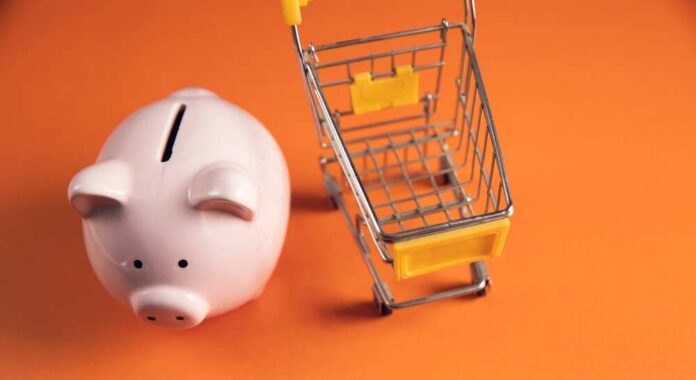
Americans are spending more dollars at the grocery store to walk out with fewer items, and it is starting to bite.
Story Snapshot
- Grocery sales rose on price hikes while unit volume fell in 2025
- Shoppers cut items, trade down, and skip treats to manage budgets
- Food-at-home inflation stayed hot in spring 2026, squeezing carts
- Brands feel pressure as consumers pull back on discretionary goods
Fewer Items In The Cart, More Pressure On Brands
McKinsey’s 2026 grocery report sums up the store aisle in one line: sales dollars rose 1.2 percent on 2.2 percent higher prices, while volume fell 1.0 percent in 2025. That means the average basket shrank. Consumers responded the way families always do when paychecks do not stretch.
They bought less, hunted deals, and switched to private labels. Food makers now warn the slowdown could last, since many shoppers look tapped out after years of price hikes.
Consumer Edge pegs overall grocery spend down about 3 percent year over year as people rethink where to buy food. That signals more cross-shopping between discounters, club stores, and online. The pattern shows up in weekly scanners too.
For the week ending May 31, total food and beverage unit sales fell 0.9 percent from a year earlier, according to Circana data cited by 210 Analytics. This is not a crash. It is a steady trim of units that adds up over months.
U.S. grocery slowdown deepens as shoppers buy fewer items, raising pressure on food companies https://t.co/F1jS89oACL
— CNBC (@CNBC) July 16, 2026
Prices Stay Sticky While Households Adapt
Price fatigue drives the change. Food-at-home prices rose at a 2.7 percent annual rate in May 2026, near a three-year high set in April, even as the one-month change looked mild. Families notice the yearly climb, not the month-to-month wiggle.
The Bureau of Labor Statistics reported overall consumer prices up 2.4 percent over the year ended February 2026, but many shoppers feel food rising faster than their wages do. When budgets squeeze, families cut snacks, switch cuts of meat, and buy store brands.
CoBank frames it bluntly: consumers are trading down, cutting discretionary items, and buying fewer groceries in response to higher prices.
That matches what retailers report on impulse buys. The candy at checkout sits longer. The extra gourmet sauce waits for a holiday. This is classic belt-tightening. It is not driven by fear headlines. It is driven by math on the receipt and the balance in the bank account.
Yes, People Still Spend, But They Get Less For It
Some push a counterpoint: total food spending remains large and grew over time, with restaurants taking a bigger slice. That is true at the big-picture level, and it matters for the farm and restaurant economy. But it does not refute the unit decline in grocery aisles.
A cart can cost more while holding fewer goods. Shoppers who still go out for a burger may also swap brand-name cereal for the store bag at home. Both can be true in the same week.
Consumer intent surveys even show stable or modestly higher plans for grocery spending. That aligns with reality: families must eat. The issue is not intent; it is purchasing power. If prices inch up faster than pay, intent meets a hard ceiling.
Common sense says count the cans, not the slogans. Volume tells you if people are stretching meals or stocking up. The recent volume drops suggest more stretching than stocking.
Where The Slowdown Pinches: Lessons For Shoppers And Sellers
The pinch hits categories that scream “nice to have” instead of “need to have.” Makers of cookies, chips, and premium drinks feel it first. Promotions become the lifeline.
Consumers flock to buy-one-get-one deals and private labels. Retailers that sharpen prices, keep staples in stock, and speed up checkout win share. Brands that hold list prices but boost pack sizes and value story can hold their ground. The rest risk losing a shelf facing for a long time.
Policy talk aside, the grocery slowdown is not a plot twist. It is the familiar playbook when inflation outpaces pay. We saw versions of it in past cycles, and we see it now in the one-percent volume slip and week-by-week scanner dips. Households adapt fast.
Companies adapt slower. The gap between the two writes the next earnings calls. Watch unit counts, not just revenue. When units fall, brands bargain. When brands bargain, shoppers get power back.
Sources:
bls.gov, consumeredge.com, mckinsey.com, ers.usda.gov, ncoa.org, indexbox.io