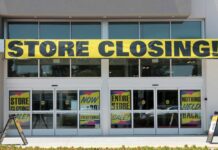


Another once-bustling American mall is hollowing out as crime, bad policy, and shifting economics push major retailers out and leave everyday families holding the bag.
Story Snapshot
- Brand-name retailers are fleeing Towson Town Center in Maryland, turning a once-thriving mall into a warning sign for middle-class communities.
- Rising crime, inflation, and higher rents are colliding with online shopping to squeeze out brick-and-mortar stores.
- Mid-tier “B-level” malls are getting hit hardest, while elite “A-tier” luxury centers still thrive.
- Local jobs, tax revenue, and community life are eroding as malls lose anchors and become harder to revive.
Major Retailers Walk Away From a Once-Popular Community Hub
Towson Town Center outside Baltimore was built as a classic American destination: anchor department stores, recognizable national brands, and restaurants that drew families, students, and seniors under one roof.
Now, retailers like Banana Republic, Tommy Bahama, Madewell, and longtime local favorite Wockenfuss Candies have closed or are closing, joining earlier departures such as Crate & Barrel and Rainforest Café. When several big names leave at once, it signals more than normal turnover; it points to deeper structural trouble.
Store managers and local shoppers describe a familiar squeeze: rents that keep rising while foot traffic becomes less predictable and more fragile. For years, mid-market apparel chains counted on steady mall crowds to justify their leases.
Now, when sales slip and costs climb, corporate headquarters look for underperforming locations to cut, and mid-tier malls like Towson are often at the top of the list. Once several brands pull out, nearby tenants lose spillover traffic, accelerating the downward slide.
Major retailers are fleeing another popular mall https://t.co/4uDPsW3apS
— FOX Business (@FoxBusiness) January 7, 2026
Crime, Inflation, and E‑Commerce Converge on B‑Tier Malls
Crime concerns add another layer of risk that many families and retailers no longer want to tolerate. A robbery and stabbing at Towson Town Center, with four teenagers arrested, reinforced perceptions that some malls are less safe than they used to be.
When violent incidents make headlines, parents think twice about sending their kids to hang out or work there, and brands that guard their image closely start questioning whether the location is worth the reputational and financial risk.
At the same time, inflation and years of fiscal mismanagement have eaten into disposable income, especially for apparel and “nice-to-have” mall purchases. Households paying more for groceries, gas, utilities, and insurance are less likely to browse for new clothes or specialty gifts.
Many simply turn to Amazon or other online sellers where prices can be lower and convenience higher. Retailers have responded by pouring money into e‑commerce, closing weaker physical stores, and consolidating into only the best-performing locations.
Wider Retail Collapse: Towson as One Piece of a National Puzzle
The story at Towson fits into a broader pattern of chains trimming their store fleets nationwide. Names that once felt permanent in American malls are aggressively closing locations or disappearing entirely. Forever 21, Claire’s, Torrid, Macy’s, Joann, and others have announced waves of shutdowns, bankruptcies, or restructurings.
When these brands retreat, they do not just leave empty storefronts behind; they break up the ecosystem of anchors and smaller tenants that made malls a one-stop destination.
Another high-profile example is Westfield San Francisco Centre, which lost cornerstone department stores like Nordstrom and Bloomingdale’s, then saw restaurant and specialty tenants follow them out the door. Between 2020 and 2023, nearly half the stores reportedly vanished.
In many markets, landlords have responded by repurposing space for non-retail uses like pickleball courts, medical offices, or other services. That may keep the lights on, but it changes the character of the mall and often does little for traditional retail jobs.
Winners and Losers: A‑Tier Comfort, B‑Tier Pain
Industry data shows an important split that matters for middle-class communities. Malls overall still generate a disproportionate share of retail spending relative to their square footage, but performance is increasingly polarized.
High-end, “A-tier” centers serving wealthy zip codes—with luxury brands, strong security, and affluent shoppers—are holding up well and, in some cases, thriving. The pressure is falling hardest on “B-tier” malls like Towson that serve more typical, middle-income households.
Landlords and analysts say these properties must pivot toward dining, entertainment, fitness, and medical tenants that draw traffic and can pay higher rents. That strategy may keep some buildings full, but it does not fully replace the broad mix of shopping and casual community life many Americans grew up with.
For conservatives who value local commerce and family-friendly social spaces, the loss of a healthy mid-tier mall feels like one more blow against stable, rooted community life.
In Towson, an adjacent complex called Towson Square has already become a near “ghost town” as restaurants shut their doors next to the movie theater. Local chambers of commerce are working with revitalization firms to recruit new businesses, often non-national chains.
But they are fighting economic headwinds, lingering safety concerns, and national corporate strategies that are decided far from Maryland. For residents, fewer stores mean fewer jobs, lower local tax revenues, and longer drives to find what they need.
Sources:
Banana Republic, Tommy Bahama, other retailers exit popular mall
Major retailers are fleeing another popular mall
These Retail Stores, Restaurants Closed In 2025: See List
Chains Closing Locations in 2025