
President Trump publicly suggested renaming New Mexico to “New America,” turning a weekend post into a national naming fight that spotlights power, identity, and the map in your pocket.
Story Snapshot
- Trump shared a New Mexico map labeled “New America,” then echoed the idea in more posts.
- The suggestion follows recent federal naming actions on waters and landmarks.
- State names sit outside federal renaming power; New Mexico’s name is set in state law.
- Geographic names often serve as proxies for bigger political and cultural battles.
What Trump Posted And How It Landed
President Trump posted an image of New Mexico with “Mexico” crossed out and “America” written in its place. He added praise for the idea of calling the state “New America,” saying he loved it.
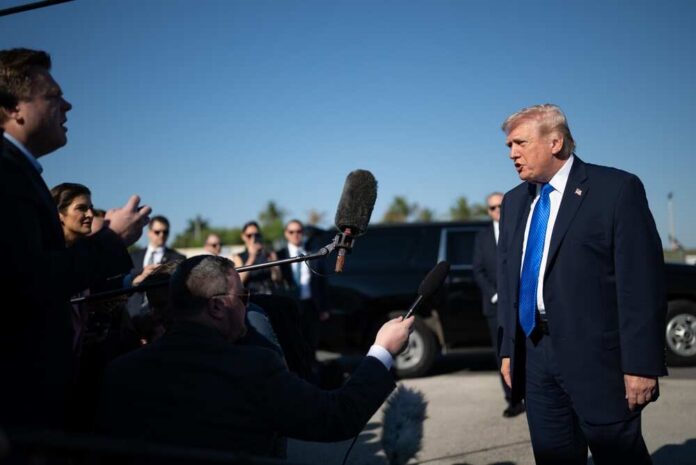
National outlets and local stations captured the posts and images within hours, and tracked a rapid series of follow-on posts that kept the idea in the news cycle. The White House’s communications amplified the conversation as supporters and critics reacted across platforms.
Reporters described multiple versions of the graphic and memes, part of a broader stream on Truth Social that weekend. Coverage highlighted Trump’s use of punchy visuals and short lines to stake out memorable positions, even on topics outside formal policy action.
The tempo mattered. Posting several times in quick order ensured the name idea outran routine weekend chatter and drew quick statements from New Mexico figures who wanted the story framed on their terms.
What The Law Actually Lets Washington Rename
Congress set up a federal process to standardize names on maps, signs, and databases. The United States Board on Geographic Names handles features like lakes, mountains, and valleys.
The Department of the Interior can move faster with secretarial orders in narrow cases. President Trump used that system to push changes like “Gulf of America” and to guide future decisions under an executive order signed on his first day back in office. Those actions shape federal usage, not state constitutions.
State names are different. They live in state constitutions, statutes, and identity. A president cannot unilaterally rename a state. Any change would start in New Mexico and pass legal steps inside the state. Reporting on the weekend posts made that distinction clear.
It noted how Trump’s earlier moves on the gulf, Lake Ontario, and landmark names flowed through federal naming channels, not the legal documents that define a state’s name.
Why Naming Fights Stick In People’s Heads
Maps are daily tools. A single word swap on a map can spark strong feelings about history, borders, and pride. Leaders know this. Trump has often used naming to send fast messages about American strength and heritage.
The moves carry symbolic punch and can be executed inside the executive branch for federal usage. That speed contrasts with the slower grind of legislation and court fights, which makes names an attractive megaphone in modern politics.
Trump proposes renaming New Mexico to 'New America' https://t.co/E1WGZN3sPP via @thecentersquare
— Donald M Wiencek (@WiencekDonald) September 8, 2026
New Mexico adds a twist. The state’s name ties to Spanish colonial history and centuries of cultural mix. Changing it would not be a paperwork tweak. It would rewrite a story that millions of residents see as their own.
That is why state leaders pushed back quickly in coverage, while national outlets compared this idea to the federal renaming of waters and peaks. The frame became clear: strong symbolism on federal features, hard limits on state names.
How This Fits Conservative Priorities
The federal naming actions line up with a conservative case for national pride and clarity on maps and signs. Restoring familiar American names to major features can help shared identity and tourist clarity.
But the separate rules for state names also reflect conservative federalism. States control their core identities and charters. Washington can set a tone with federal usage, but it should not override a state’s name without a state-led process. That balance respects both patriotism and local self-rule.
What To Watch Next
Expect more executive action on federal naming policy, because it moves fast and commands headlines. Watch Interior Department orders, Board on Geographic Names dockets, and agency map updates for tangible changes.
In New Mexico, look for statehouse statements and legislative chatter. If state leaders want to counter-message, they may introduce resolutions that affirm the current name. If they ignore it, the story may fade until the next federal naming volley lands.
Sources:
youtube.com, usatoday.com, forbes.com, indiatv.in, nypost.com, scholarlycommons.law.northwestern.edu, en.wikipedia.org, doi.gov