

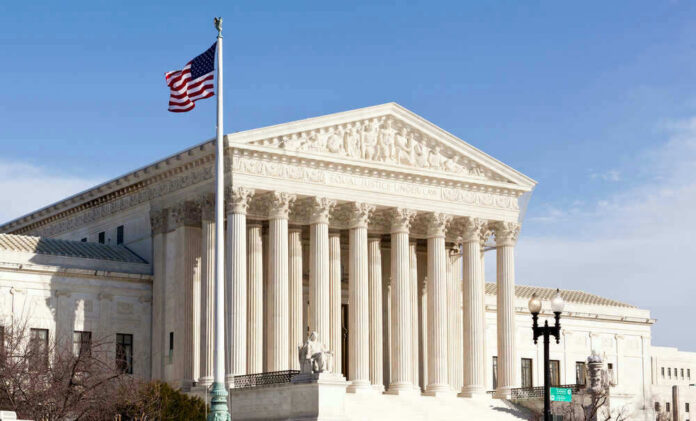
In a 5-4 ruling, the Supreme Court let President Trump keep building the White House ballroom while the lawsuit continues.
Story Highlights
- The Court said the challengers likely lack standing, so work can continue for now.
- The order does not decide if the ballroom is legal; that fight remains.
- Chief Justice John Roberts dissented, calling the project “likely unlawful”.
- Lower courts earlier said Congress must approve the project before it proceeds.
What The Supreme Court Decided And What It Did Not
The Supreme Court allowed construction to continue while the case moves forward. The majority said the preservation group that sued likely cannot show the needed legal injury, known as standing.
That narrow ruling kept the project going but did not answer the big question: does the law allow this build. News reports on the order stressed that the Court did not reach the merits, only the standing point that controls who can sue and when.
Roll Call reported the justices found the group likely lacks standing and that the government is likely to prevail at this stage. That keeps a prior stop-work order from taking effect for now.
The case will still return to the lower courts on the full legal question. Because emergency orders change facts on the ground, this move matters right away even before any final ruling on the law.
Roberts’s Dissent And The Separation-Of-Powers Fight
Chief Justice John Roberts wrote a sharp dissent joined by the Court’s three liberal justices. He said the construction is “likely unlawful” because Congress has not clearly approved it.
He warned that allowing work to continue is “no victory for the separation of powers,” which guards how the branches share authority. Politico reported that he argued the majority let a likely breach of Congress’s power of the purse continue during the appeal.
That dissent clashes with the majority’s standing focus. Roberts framed the case as a straightforward power question: Congress decides major changes to federal property and spending at the White House.
He rejected the claim that routine Executive Residence upkeep covers tearing down the East Wing and replacing it with a large ballroom funded with private donations. His warning signals risk if the Court later reaches the merits, but it does not control today’s order.
Where Lower Courts And Congress Fit In
Before the Supreme Court stepped in, a federal appeals court ordered the administration to halt construction. That court wrote that whether to build a massive ballroom is for Congress to decide, not a matter for executive self-help.
The ruling said the project needed legislative approval to proceed. That view placed the dispute within the Constitution’s rules on federal property and spending, and set up the Supreme Court showdown.
The administration has argued it has enough legal authority already, including through existing laws on White House operations.
Some in Congress have floated a bill to authorize the ballroom directly, which would remove doubt if passed, but the current fight is about whether that approval is needed in the first place. Until Congress acts, the courts will determine which branch’s reading controls day to day.
What This Means For Security, Costs, And The Road Ahead
The government has cited security, continuity of government, and hosting space for state events as reasons to keep work going during the case. Opponents point to the size and cost estimates and the demolition of part of the White House complex without a clear statute.
Because the Supreme Court’s order rests on standing, not final legality, the outcome can still change after full briefing and argument on the merits later this term or next.
SCOTUSblog said the Supreme Court “allowed” Trump to keep building a White House ballroom. Sit with that verb. A president already tore down the East Wing, hired the crews, and started the work. Then nine people in black robes get described as the ones who let him continue.…
— Flopping Aces (@FloppingAces) September 1, 2026
For many, the takeaways are plain. The Court did not bless new executive power. It enforced a core gatekeeping rule on who can sue the government. That checks lawsuit abuse that can stall elected leaders.
At the same time, Congress still holds the purse and can speak clearly at any time. Until then, President Trump can keep building while he makes the case that the project serves national interests and fits within lawful authority.
Sources:
nytimes.com, newsmax.com, rollcall.com, cnn.com, memeorandum.com, congress.gov, thehill.com