A boycott bike ride meant to shame six Jewish- and Israeli-owned restaurants instead triggered a citywide rush to support them.
Story Snapshot
- Organizers said they targeted owners for support of Israel, not Judaism.
- Hundreds of riders were met by larger counterprotests and long customer lines.
- Police reported three arrests and two minor officer injuries amid clashes.
- City and state leaders condemned the action as antisemitic intimidation.
How a Local Boycott Became a Citywide Stress Test
Philly Bike On Your Left staged a “Boycott Bike Ride” past six restaurants in Center City. The group called itself anti-fascist and anti-Zionist, and said the ride was in solidarity with Palestinians, not against Jews. Organizers said they chose targets based on alleged owner support for Israel. Media coverage showed a flyer with the businesses’ names circled and crossed out, which critics used to say the plan singled out Jewish identity, not policy.
https://x.com/rabindraX238/status/2119476210673872986
The line between politics and identity drove the blowback. The announced boycott standard focused on owner conduct, but the public face of the flyer and the timing near the Kristallnacht anniversary fueled outrage and moral framing. Local officials called the effort antisemitic and said it aimed to intimidate Jewish businesses. That message dominated the airwaves long before the first bicycle rolled.
The Street Outcome: Counterprotesters Own the Optics
Hundreds of riders showed up, but far larger crowds flooded the same blocks to “boycott the boycott.” People lined up at the targeted restaurants, turning dinner into a statement. Many carried Israeli flags and treated it like a food crawl with a purpose. The counter-move reframed the event from a protest about Israel to a celebration of local businesses under fire. Cameras captured lines, cheers, and police presence, not empty dining rooms.
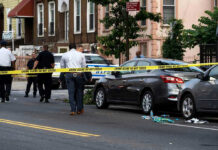
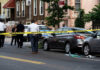
Police reported three arrests tied to confrontations: a woman for assault, a man for disorderly conduct, and a 17-year-old for assaulting police. Two officers had minor injuries. The organizers said the ride had been misrepresented and reaffirmed that they oppose antisemitism. The arrests do not prove the group sought violence, but they undercut the claim that the day was purely peaceful expression. Order matters when the forum is a sidewalk, not a seminar.
What the Organizers Claimed—and Where the Case Fell Short
Organizers offered a simple claim: we are boycotting over political support for Israel, not religion. That can be a protected form of political speech in the public square, and consumer boycotts often deliver real costs to targets in other contexts. But this effort ran into three gaps. First, the public record did not show detailed, business-by-business evidence to back each inclusion. Second, the visual of names crossed out looked like identity targeting to many viewers. Third, the ride produced publicity, not policy change.
American conservative values draw bright lines here. Protest is fine; intimidation is not. Critique a nation’s policy all day; do not paint a target on the local deli owner. If an action cannot clearly separate political conduct from identity, it loses moral authority and public support. The response in Philadelphia reflected that instinct. People showed up to eat, to stand with neighbors, and to reject a tactic that felt like collective blame.
Lessons: Strategy, Standards, and the Costs of Vague Targeting
Public strategy needs clear rules. If a boycott claims to target conduct, it must publish the evidence and standards. Without that, critics will define the narrative. The Philadelphia episode shows that optics beat footnotes, and timing multiplies risk. A single flyer can outweigh a careful caption. Future activists who want to argue policy will need transparent criteria, on-the-record proof, and distance from identity cues that trigger historic pain. Otherwise, the crowd will line up—for the other side.
Sources:
foxnews.com, jewishchronicle.timesofisrael.com, abc30.com, rnbphilly.com, nbcphiladelphia.com, inquirer.com, nbcnews.com, phillyvoice.com