
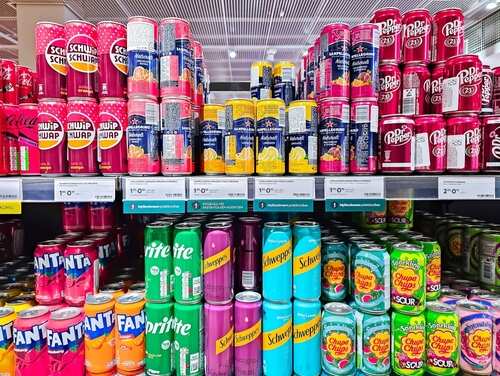
New findings reveal that both diet and sugary drinks could significantly increase the risk of liver disease, raising alarms about what was once considered a safe alternative.
Story Highlights
- Study associates both diet and sugary drinks with increased liver disease risk.
- Findings challenge the perception of diet sodas as a safe alternative.
- Drinking one can per day raises liver disease risk by 50-60%.
- Water is shown to reduce the risk when substituted for sweetened drinks.
Study Links Beverages to Liver Disease
A recent large-scale study presented at the United European Gastroenterology Week 2025 has made headlines by linking the consumption of both sugary and diet drinks to a significant increase in the risk of devel
oping metabolic dysfunction-associated steatotic liver disease (MASLD). The research, which used data from the UK Biobank, involved over 100,000 participants and found that as little as 1 can of either type of beverage per day could increase the risk by 50-60%.
This revelation has stirred public concern, challenging the long-held belief that diet sodas are a safe substitute for their sugary counterparts.
The study’s results were disseminated in October 2025 at a major international medical conference in Berlin. Despite not yet being peer-reviewed, the findings have prompted significant media coverage and debate, especially among health professionals and the beverage industry. The research highlights the importance of reconsidering what we consume daily, especially given the rising incidence of MASLD, which is now recognized as a major public health concern.
Implications for Public Health and the Beverage Industry
The potential implications of this study are profound, both for public health guidelines and the beverage industry. With MASLD becoming increasingly common, paralleling global trends in obesity and metabolic syndromes, this study could lead to shifts in dietary recommendations and public health campaigns.
There’s also the possibility of regulatory scrutiny on artificial sweeteners and the marketing of diet beverages, which have historically been touted as healthier alternatives.
Economically, the beverage industry could face significant impacts if the consumption of these drinks declines due to heightened public awareness and potential regulatory changes. This could lead to reformulating beverages to reduce the use of artificial sweeteners, or to a push towards more natural alternatives like water, which the study identified as the only drink that reduces the risk when substituted for sweetened beverages.
Expert Opinions and Future Directions
Experts such as Lihe Liu, the lead researcher, and Sajid Jalil from Stanford University have emphasized the study’s robust design and large sample size as key strengths.
They advocate greater awareness of the risks associated with both sugary and diet drinks, urging individuals to consider water as a healthier alternative. However, while the study is compelling, caution is advised, as it is observational and not yet peer-reviewed. Future peer-reviewed publications are awaited to provide more conclusive evidence and possibly influence policy changes.
The debate over the safety of artificial sweeteners and their potential impact on liver health continues, with some attributing effects to changes in the gut microbiome and insulin response. For now, the study serves as a critical reminder of the importance of making informed dietary choices and the need for further research in this area.
Sources:
Diet and sugary drinks raise risk of common liver disease by up to 60%, study finds | AOL
Diet and regular sodas are linked to liver disease | Medical News Today
Does drinking diet and sugary drinks raise liver disease risk? | Rethinking Wellness