

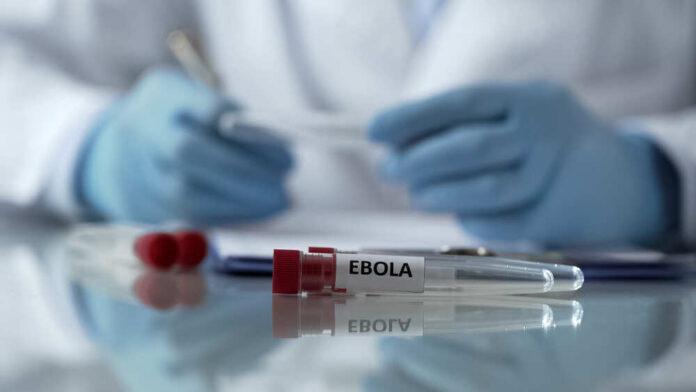
Death passed 2,000 in Congo’s Ebola outbreak, and officials say it is the fastest-spreading on record.
Story Snapshot
- Government data report more than 2,000 deaths and thousands of confirmed cases.
- Authorities earlier logged 2,011 confirmed cases and 754 deaths in one daily snapshot.
- Health workers in the epicenter staged strikes over pay and safety gaps.
- The World Health Organization warned about rapid spread and unknown transmission chains.
Outbreak crosses grim milestones as case counts accelerate
Congolese health officials reported that deaths have topped 2,000 as the Ebola outbreak surged across several provinces. The same government feed described the event as the fastest-growing on record, a marker that reflects how quickly case numbers climbed week to week.
A prior daily snapshot showed 2,011 confirmed cases and 754 deaths, underscoring how fast the ledger changed within days. Readers should expect shifting totals as labs confirm cases, definitions adjust, and backlogs clear.
Local responders describe a fight on several fronts at once: remote terrain, armed groups on key roads, and clinics low on staff and supplies. Health workers in the epicenter announced strikes over unpaid wages and poor safety, which slowed surveillance and contact tracing when speed mattered most.
Field teams also reported gaps in transport and cold-chain capacity, which delayed moving samples and vaccine doses. Those delays helped the virus jump ahead of the response line.
Why this outbreak spread faster than past waves
Officials point to three drivers. First, many infections came from unknown transmission chains, meaning teams could not map who infected whom fast enough to block the spread. Second, conflict zones forced staff to pause work or reroute, giving the virus time.
Third, case counts rose across a wider footprint, so scarce staff had to stretch farther. Together, those factors helped a dangerous virus move faster than the usual playbook could contain.
Numbers in news reports may look inconsistent, but they often reflect different cut-off times and case definitions. One bulletin may list only confirmed cases; another may fold in probable cases after review.
The World Health Organization and the United States Centers for Disease Control and Prevention both explain that outbreak histories often use different denominators across updates, which can confuse the public while still being internally sound for each snapshot. The lesson is simple: look at the time stamp and definitions before comparing totals.
Tactics that work when speed is the threat
Rapid case isolation, safe burials, and contact vaccination form the backbone of control. When responders can find contacts within 24 to 48 hours and vaccinate them, chains of spread tend to sputter out. Where roads are blocked or clinics shut, that 48-hour window closes.
United Nations health officials urged faster field surveillance and wider ring vaccination, and warned that long gaps between detection and response give the virus extra fuel. Cutting those gaps by days can save hundreds of lives.
🇨🇩DR Congo says over 2,000 people have died in its Ebola outbreak; 4,381 confirmed cases— MOH.
— Weelo Willis (@WeeloWillis) August 11, 2026
What to watch next
Watch three metrics. One, the share of new cases already on a contact list at the time of diagnosis. If that rate rises, spread is slowing. Two, the delay from symptom onset to isolation; shorter delays mean fewer secondary cases.
Three, health worker availability in hot zones; strikes and security incidents have outsized effects, as seen in the recent slowdown. If authorities keep these lines moving in the right direction, the curve can break before the numbers climb again.
Sources:
cbsnews.com, aljazeera.com, abcnews.com, outlookindia.com, news.un.org, afro.who.int