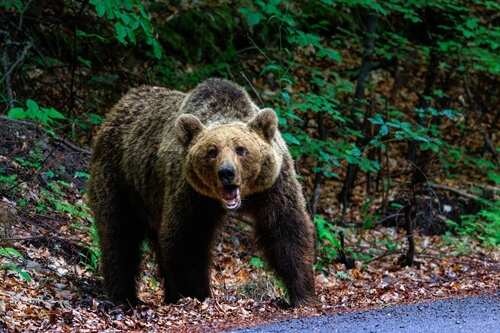
A lone runner on Anchorage’s Wolverine Bowl trail stopped a charging brown bear with pepper spray, then walked herself to safety.
At a Glance
- Alaska Fish and Game says a woman was injured by a brown bear on August 13 near Prospect Heights trailhead.
- She used bear spray, self-rescued to the trailhead, and was taken to a hospital.
- Officials posted trailhead warnings while biologists investigated the area.
- Research shows bear spray stops most aggressive encounters when used fast and at close range.
What Happened On The Trail
Alaska Department of Fish and Game reported that a woman trail running alone on the Wolverine Bowl trail encountered a brown bear on August 13.
The bear injured her during the encounter. She deployed bear spray, which allowed her to break contact and reach the Prospect Heights trailhead on her own.
First responders transported her to a local hospital. Alaska Department of Fish and Game staff responded and began an investigation in the area the same day, and public alerts went up at nearby trailheads.
Alaska runner hospitalized after using bear spray to fight off brown bear on trail https://t.co/pR0dfvx9Gn pic.twitter.com/cc6xIDJrLE
— New York Post (@nypost) August 16, 2026
Agency statements did not name the runner. They identified the area as part of Anchorage’s popular Chugach foothills. The notice urged the public to stay alert, make noise, and carry bear spray. Staff noted the bear was not located during initial checks.
The incident summary focused on the sequence that mattered for safety: surprise contact, injury, use of spray, and self-rescue. That flow matches years of guidance given to people who recreate in bear country.
Why Bear Spray Changed The Outcome
Bear spray works by creating a hot fog that blinds and overwhelms a charging bear’s senses for critical seconds. Those seconds let a person break line of sight and retreat.
Researchers who reviewed many bear encounters found spray stopped aggressive behavior in about 92 percent of documented cases.
That result compares favorably to firearms in real-world bear charges, which showed lower success and higher injury rates in several field reviews. The Wolverine Bowl case tracks that pattern of quick spray, quick exit.
A can with a thumb press is simpler and faster to use than drawing, aiming, and firing a gun under duress. The goal is to stop the charge and get out, not to win a fight with a wild animal. Responsible outdoor users pick the tool that ends the threat and gets everyone home.
Anchorage’s Trails, Bears, And The Base Rate
Anchorage sits against wild country, which is part of its appeal. Thousands use these trails every week without any incident. The rare case that makes news can warp risk in our heads. Experts warn against reading one story as proof that spray always works or never works.
The better lesson is to stack small edges: travel in pairs when you can, make steady noise, keep food sealed, and carry spray so it’s within reach in a second. Those habits tilt odds your way.
Runner Injured by Bear
A woman running alone on Wolverine Bowl trail near Anchorage was injured by a brown bear Thursday, deployed bear spray, and walked out; she was hospitalized and the bear was not located.https://t.co/i8NEPOGRLD#Anchorage #Wildlife pic.twitter.com/jnMVt95e0V
— Alaska News (@AlaskaNewsCom) August 14, 2026
Agency investigators will review sign, tracks, and any physical evidence to refine what they know about the bear’s behavior and movements. That work helps shape future advisories and closures. The public piece is simpler. Respect that you share space with apex wildlife.
Move smart, carry proven tools, and act fast if a close encounter happens. The runner on Wolverine Bowl did the hard parts right. She used spray, disengaged, and got to help. That is the template worth keeping.