
One mid-priced burger chain just gambled its future on cows that never saw a feedlot, and the bet could rewrite the fast-food playbook.
Story Snapshot
- Steak ’n Shake announced a nationwide switch to 100 percent grass-fed, grass-finished, pasture-raised beef starting June 1 [1][2].
- The company pairs the beef change with a public push for beef tallow in fryers and retail tallow products [5][3][4].
- The chain frames grass-fed as a quality and health upgrade; independent verification of outcomes remains limited [1][2].
- If the pivot holds, competitors face a cultural and supply-chain challenge that reaches beyond taste.
America’s first major chain to go all-in on grass-fed
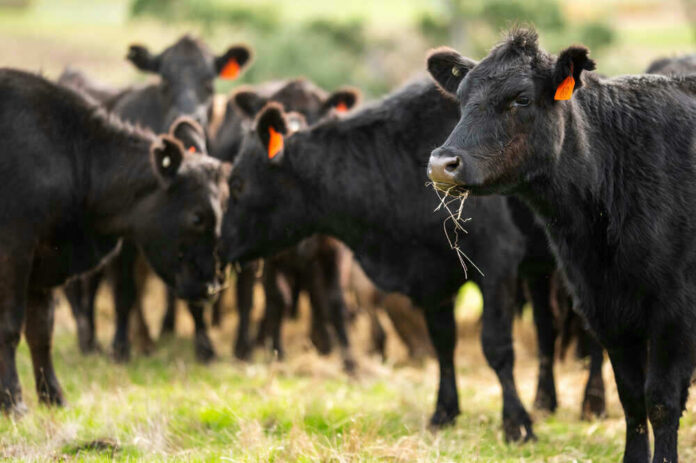
Steak ’n Shake set a firm date and a decisive claim: beginning June 1, every burger will use beef from pasture-raised cattle that are 100 percent grass-fed and grass-finished, with the company positioning the move as a leap in quality and health [1][2].
The statement draws a bright line with grain-finished norms and plants a flag in a crowded burger market. The core fact is simple and audacious: the chain says it flipped its entire beef program at once, not as a limited test [1][2].
Starting today, every Steak ’n Shake hamburger will be made with 100% grass-fed, grass-finished beef from pasture-raised cattle.
We hope other fast-food chains follow suit and make this simple, healthier change. pic.twitter.com/4YqztE75NU
— MAHA Action (@MAHA_Action) June 1, 2026
That all-in posture matters because single-sourcing claims live or die on consistency. Steak ’n Shake did not publish a supplier roster or third-party audit in the announcement, leaving watchdogs to ask for proof beyond press language.
The company’s clarity on pasture-raised and grass-finished sets expectations, yet the record does not include independent taste panels, nutrient testing, or life-cycle assessments to quantify the promised gains. The switch is real as a policy; the benefits remain promised rather than measured [1][2].
A tallow-throughline that signals a values reset
The beef decision does not stand alone. Steak ’n Shake also advertises that fries, tots, onion rings, and chicken tenders cook in one hundred percent beef tallow in restaurants, rejecting seed-oil blends that dominate the industry [5].
The chain extends that signal into direct-to-consumer jars of grass-fed beef tallow and American Wagyu tallow, leaning into animal-fat identity as a feature rather than a bug [3][4]. That combination tells customers this is not just a sourcing tweak; it is a brand philosophy anchored to old-school fats.
If a company wants to serve real beef and fry in beef fat, the coherence resonates. Taste usually follows fat quality, and many customers can detect the difference between tallow and polyunsaturated fryer oil.
The company claims purity—no additives or preservatives in the tallow—which aligns with a cleaner-ingredients trend many families welcome [5]. Assertions about broader health advantages should be tested, but the culinary logic tracks.
The case for grass-fed burgers, and the gaps that remain
Grass-fed and grass-finished beef often brings a leaner profile and a mineral-forward flavor many steakhouse regulars prize. Advocates point to potential differences in fat composition and husbandry practices tied to pasture. Steak ’n Shake’s announcement ties the move to “doing things better,” implicitly suggesting improved taste and nutrition [1][2].
The leap from plausible to proven requires data the announcement does not provide: blind taste tests across markets, nutrient assays by cut and grind, and transparent ranch-to-grill documentation. Without those, claims invite scrutiny as they should.
Detractors who want to swat this down lack a direct rebuttal. No source in the record shows the switch failed to start June 1, or that products are not pasture-raised and grass-finished as claimed [1][3]. The fair critique is different: where are the audits, the supplier maps, and the numbers? Responsible skepticism is not hostility; it is due diligence.
If Steak ’n Shake publishes supplier standards, third-party verifications, and periodic lab results, the conversation shifts from marketing to measurement, which would strengthen the case considerably [1][2].
What the move pressures rivals to answer next
Competitors now face a cultural question masquerading as a menu decision. Customers will ask why a national chain can serve grass-finished burgers and fry in beef tallow while others insist it is impossible at scale.
If Steak ’n Shake sustains supply, controls cost, and keeps lines moving, that answer becomes uncomfortable for the status quo. Chains that built their identity on value and speed will resist change until customer traffic forces their hand; early social chatter suggests interest is real.
The next six months will decide whether this gamble sticks. If burgers taste better, if fries taste crisper, and if the check average holds, copycats will emerge quickly. If procurement chokepoints, inconsistent grinds, or price spikes appear, rivals will declare victory for the old model.
The sensible path forward is transparency from Steak ’n Shake and patience from consumers who vote with dollars. Big swings deserve fair trials. If this one works, it resets what “fast” and “better” can mean in American burgers.
Sources:
[1] Web – Steak ‘n Shake Bets Big On Grass — America’s First Major Chain To …
[2] Web – Steak ‘n Shake to switch to 100% grass-fed and grass-finished beef
[3] Web – Steak ‘n Shake to switch to 100% grass-fed beef from June 1
[4] Web – Steak ‘n Shake Beef Tallow
[5] Web – 100% Grass-Fed Beef Tallow – Steak ‘n Shake