

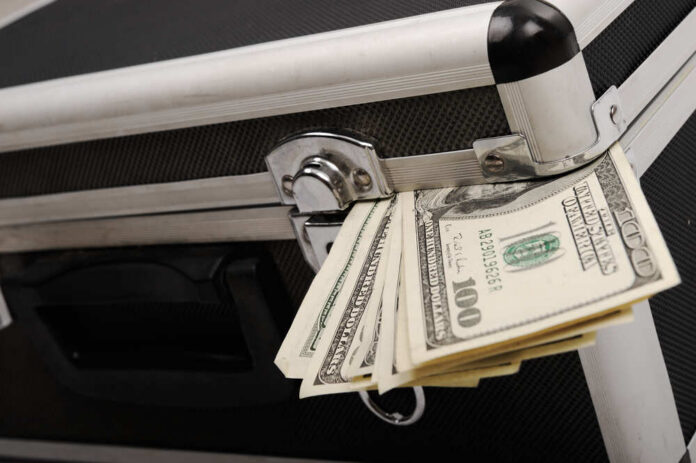
Jetstar has turned one of flying’s most common comforts into a paid extra, and the change goes straight to the overhead locker.
Quick Take
- Jetstar will charge passengers who want to place larger carry-on bags in overhead lockers starting in February 2027.
- Every fare will still include one free under-seat bag, while larger cabin bags will cost extra.
- The airline says the shift should reduce stress, speed boarding, and help flights leave on time.
- The move follows a wider airline trend of unbundling services that used to be included in the ticket price.
What Jetstar Changed
Jetstar says it will end its free overhead-locker model and replace it with a size-based carry-on system. Under the new setup, passengers can still bring one small bag that fits under the seat at no extra cost, but larger bags meant for the overhead compartment will require payment. The airline also says it is dropping the old 7-kilogram carry-on weight limit in favor of this simpler structure.
Australian airline Jetstar will charge passengers to use overhead lockers for their bags https://t.co/YgJ4QHpGqq pic.twitter.com/ncSuXXpoA0
— New York Post (@nypost) August 5, 2026
The price will vary by route. Reported examples include a starting fee of about A$25 for shorter domestic trips and as much as A$52 for some international routes. Jetstar has said the exact amount can change with demand, which means the cost may not stay fixed from flight to flight.
Why Jetstar Says It Is Doing This
Jetstar says the change came after research and feedback from customers and crew. The airline said people found bag checks at the gate and crowded overhead bins to be among the most stressful parts of the airport experience.
Jetstar chief executive Stephanie Tully said the new system should make better use of overhead space, streamline boarding, and help more flights depart on time.
That is the airline’s case in plain language: fewer delays, less gate congestion, and a more orderly boarding process. The company also says the policy brings it closer to the model used by other low-cost airlines, where a low headline fare is followed by extra charges for added convenience.
What Passengers Will Notice
The practical effect is simple. Travelers who pack light enough for a small under-seat bag will pay nothing extra. Travelers who want a bigger carry-on, or who want the speed and certainty of boarding early, will have to buy Priority Carry-on. Jetstar says that option also lets those passengers board earlier, which should make it easier to find space before the cabin fills.
🟠 JETSTAR WILL START SELLING YOU THE OVERHEAD LOCKER FROM 2 FEBRUARY 2027, SO WE PRICED A REAL SYDNEY TO MELBOURNE TRIP TO SEE IF THE CHEAP FARE IS ACTUALLY CHEAP 🟠
Jetstar boss Steph Tully says the change helps "keep our fares low". We booked nothing and priced everything,… pic.twitter.com/aziOOS0nwD
— One News Australia (@OneNewsAu) August 5, 2026
The change also removes a small ritual many flyers know well: the panic of lifting a bag into the bin while the line behind them grows impatient. Jetstar is betting that turning that scramble into a paid choice will feel cleaner and faster.
Critics will likely hear something else in it: one more fee attached to a basic part of air travel. Both reactions can exist at once because the airline is changing not just a rule, but the emotional rhythm of boarding.
The Bigger Airline Pattern
Jetstar’s decision fits a familiar low-cost airline playbook. Airlines sell a cheap base fare, then charge separately for extras that once felt ordinary. That can include seat selection, checked bags, and now, in Jetstar’s case, overhead space.
Supporters call it honest pricing. Detractors call it nickel-and-diming. The truth is that both views come from the same business model, which depends on making the ticket look lean while giving travelers a menu of add-ons.
Jetstar’s current baggage rules already show that logic in action. Its published policy says starter fares include a 7-kilogram carry-on allowance shared across two items, and that extra carry-on can be purchased subject to availability.
The new overhead-locker fee pushes that structure further. It also sends a clear signal: on budget airlines, the cheapest seat may no longer mean the same cabin experience as before.
Sources:
nypost.com, mothership.sg, jetstar.com, youtube.com, english.mathrubhumi.com