
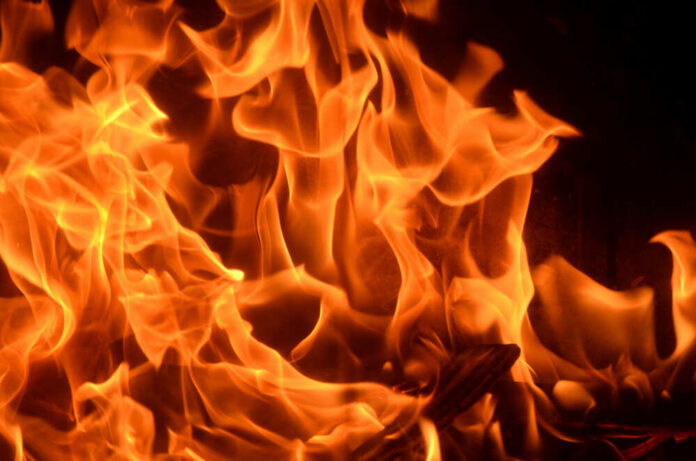
Flames jumped the Spokane River on a Saturday afternoon and turned a wind-driven brush fire into one of the most destructive disasters eastern Washington has seen in years.
Story Snapshot
- Wildfires around Spokane destroyed roughly 600 homes, businesses and other buildings, authorities said.
- Thousands of households were ordered to evacuate as fires raced through neighborhoods on the city’s edge.
- Governor Bob Ferguson declared a statewide emergency and burn ban as fires burned more than 250,000 acres statewide.
- The Washington National Guard mobilized for the first time this way, and the governor asked for federal disaster aid.
A Fast-Moving Fire Catches Spokane Off Guard
The Old Trails Fire started around midday on a Saturday, burning brush and grass in an open area near northwest Spokane. Strong winds and high heat pushed it fast. It jumped the Spokane River, a barrier firefighters hoped would slow it down, and tore into residential blocks within hours, forcing thousands of people to flee with little warning.
By Sunday, officials said fires burning uncontained around the city had destroyed about 600 homes, businesses and other structures and forced the evacuation of roughly 5,000 households. The fires had scorched more than eight square miles around Spokane, Washington’s second-largest city, with no containment yet in sight.
A Statewide Emergency Spreads Far Beyond One City
Spokane’s fires are part of a much bigger picture. Wildfires had already burned more than a quarter-million acres across Washington state, prompting widespread evacuations and power outages statewide. Governor Ferguson declared a statewide emergency and burn ban, and roughly 4,000 firefighters were battling more than a dozen separate blazes at once.
Over 600 buildings burned down and nearly 60,000 were ordered to evacuate after uncontained wildfires spread in the city of Spokane in Washington state, as Mayor Lisa Brown warned of possible loss of life https://t.co/UxMtVwckQ9 pic.twitter.com/FGWPiW38tv
— Reuters (@Reuters) August 3, 2026
Other major fires added to the strain. The Kaiser Canyon Fire on the Colville Reservation grew past 100,000 acres within days of starting. The Upriver Fire in Spokane Valley destroyed multiple homes on its own, prompting Ferguson to formally request federal disaster assistance through the Federal Emergency Management Agency (FEMA) as damage estimates climbed.
Weather Conditions Created A Uniquely Dangerous Setup
The National Weather Service issued its most serious wildfire alert, a “particularly dangerous situation” warning, for wide stretches of eastern Washington as powerful winds combined with high temperatures. That designation is rare and signals conditions capable of turning small fires into fast, unpredictable disasters within hours rather than days.
State officials have tracked more than 1,000 individual fire starts since the beginning of the year, torching an estimated 425,000 acres across forests, neighborhoods, tribal land and open scabland. In response, the Washington National Guard mobilized for wildfire response in a manner officials described as unprecedented for the state.
Families Face Long Roads Back To Normal
Evacuation orders emptied entire neighborhoods on short notice, sending families scrambling for shelter with pets, documents and little else. Local shelters and emergency centers filled quickly as residents waited for updates on whether their homes still stood. Officials cautioned that final damage counts would likely rise once crews could safely assess burned areas structure by structure.
Power outages compounded the danger, cutting electricity to homes still standing while air quality across the region dropped to unhealthy levels from thick wildfire smoke. Emergency officials urged residents outside evacuation zones to limit outdoor activity and prepare for possible expansion of evacuation orders if winds shifted or intensified further.
Wildfires in eastern Washington state forced the evacuation of 60,000 people in the Spokane area while destroying at least 600 homes, businesses and other structures, authorities said Sunday. pic.twitter.com/WNF2EgaIxE
— The Associated Press (@AP) August 3, 2026
This disaster fits a grim pattern for a state that has watched wildfire seasons grow longer and more destructive year after year. Dry conditions, aging power infrastructure and rapid development into fire-prone terrain have combined to put more Washington families in harm’s way.
Local and state emergency management deserve credit for evacuating residents quickly, but the scale of damage raises hard questions about long-term forest management and grid resilience that officials will need to answer once the flames are finally out.
Sources:
wasmoke.blogspot.com, wfca.com, nytimes.com, abcnews.com, spokesman.com, npr.org