President Trump has established a “Board of Peace” that requires nations to pay $1 billion for permanent membership, creating an unprecedented financial barrier to international governance participation while positioning America to lead reconstruction efforts outside traditional UN frameworks.
Story Highlights
Trump’s Board of Peace demands $1 billion from countries seeking permanent membership status
The President maintains unilateral control over all board decisions, membership approval, and fund management
Argentina and Hungary accepted immediately, while European allies expressed concerns about transparency
The initiative bypasses UN structures, creating an America-first alternative to traditional multilateral organizations
Trump’s Bold Financial Requirements for Peace Board Membership
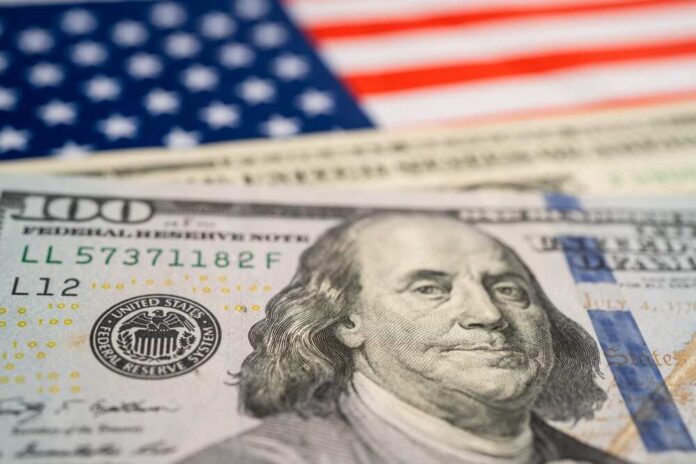
President Trump’s newly established Board of Peace requires countries to contribute at least $1 billion in cash within the first year to secure permanent membership. Nations unable to meet this threshold receive only three-year renewable terms at Trump’s discretion. The White House defends this unprecedented fee structure as ensuring “deep commitment to peace, security, and prosperity” from participating nations.
Trump wants nations to pay $1 billion for permanent Board of Peace seats https://t.co/QwgcJSntcR
Presidential Authority Over International Governance Structure
The board’s charter grants Trump sweeping unilateral powers over membership approval, meeting locations, voting procedures, and fund management. This centralized authority represents a dramatic departure from traditional international organizations that typically operate through democratic governance structures. Trump maintains final decision-making authority on all board matters, positioning America as the dominant force in this new multilateral framework.
Mixed International Response Reveals Geopolitical Divisions
Countries have responded along predictable lines, with America-friendly nations accepting quickly while traditional allies express reservations. Argentina’s President Javier Milei called the invitation an “honor” and Hungary’s Viktor Orbán swiftly accepted. However, UK ministers raised concerns about fund destinations and legal frameworks, while European leaders worry about funding what they perceive as a “Trump-led world order” alternative to the United Nations.
The board’s scope extends beyond Gaza reconstruction to encompass “areas affected or threatened by conflict,” suggesting broader geopolitical ambitions. This expansive mandate concerns European officials who question whether the initiative represents genuine peace-building or an alternative international governance structure designed to bypass UN mechanisms that often constrain American action.
America-First Alternative to Failed UN Structures
Trump’s initiative emerges as traditional UN mechanisms prove inadequate for addressing complex international crises. The Board of Peace operates independently of UN bureaucracy, allowing for more decisive action and clearer accountability. Unlike the World Bank and IMF, which charge no membership fees, Trump’s model ensures only nations with genuine financial commitment participate in governance decisions.
This approach reflects conservative principles of putting America first while demanding that other nations demonstrate real commitment through substantial financial contributions rather than empty diplomatic gestures. The $1 billion requirement separates serious partners from nations seeking influence without investment, creating a more effective framework for achieving actual results in conflict resolution and reconstruction efforts.