
President Donald Trump’s rapid federal crackdown in D.C., including a streamlined gun permit process and a federalized police force, has reignited the national debate over local autonomy, constitutional rights, and public safety.
Story Snapshot
- Trump’s executive action slashes D.C. gun permit wait times from months to days, empowering law-abiding citizens.
- Federal takeover of the D.C. police and National Guard deployment aims to restore order amid perceived crime concerns.
- Local officials and civil liberties groups denounce federal intervention as an illegal overreach threatening home rule.
- Legal and political battles intensify over the balance of public safety, self-defense rights, and D.C. autonomy.
Trump’s Crime Crackdown Puts D.C. in the National Spotlight
President Donald Trump’s August 2025 crackdown on crime in Washington, D.C., marks one of the most aggressive interventions in the city’s history.
By federalizing the Metropolitan Police Department, deploying National Guard troops, and streamlining the gun permitting process, Trump’s administration is taking direct aim at both violent crime and what many conservatives see as failed “soft on crime” policies.
The White House argues these efforts restore order and finally empower law-abiding citizens to exercise their right to self-defense, a core concern for gun rights advocates.
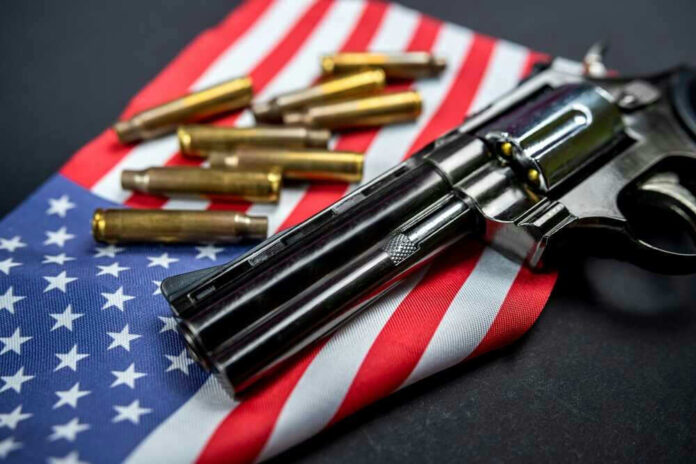
For many D.C. residents, the most immediate impact is the overhaul of the city’s notoriously complex and restrictive gun permit process. Under the new policy, the average wait time for permits has plummeted from several months to just 4.6 days.
Appointments are now available as soon as the next day, and even walk-in applications are being accepted, directly addressing long-standing complaints that bureaucratic red tape left law-abiding citizens defenseless.
Gun rights supporters have celebrated this change as a long-overdue correction of a process that many viewed as an infringement on Second Amendment protections.
Federalization and Deployment: Restoring Order or Overstepping Bounds?
The Trump administration’s decision to take federal control of the D.C. police and to deploy 100–200 National Guard troops at a time is unprecedented outside of national emergencies.
The White House insists that federal action was necessary to protect public safety and restore confidence, especially given D.C.’s unique status as a federal district.
Federal law enforcement agencies—including the FBI, ATF, DEA, and others—have joined the effort, forming the “Making DC Safe and Beautiful Task Force.”
Supporters argue that this show of force is finally holding the line against rising lawlessness and sending a clear message that the federal government will not tolerate threats to order in the nation’s capital.
However, these actions have drawn fierce opposition from D.C.’s Democratic leadership and civil liberties advocates, who argue the move violates federal statutes and D.C.’s limited home rule.
Local officials have filed legal challenges, claiming the administration’s approach is undemocratic and risks eroding the self-governance of D.C. residents.
Legal experts point out that the balance of power between federal authority and local autonomy in D.C. remains a complex and unresolved constitutional issue, especially with the city’s majority-minority demographics and its history of political tension with Congress.
Empowering Citizens or Fueling Controversy?
Trump’s supporters maintain these sweeping changes directly counteract years of what they see as leftist policies—restrictive gun laws, leniency toward criminals, and a refusal to confront rising crime.
They argue the new measures restore common-sense protections and finally give residents a fighting chance to defend their families.
Gun permit applications have surged, and there is widespread conservative praise for making it easier for responsible citizens to exercise their constitutional rights without bureaucratic interference.
Yet, critics warn that the militarization of local policing and the dilution of home rule set a dangerous precedent that future administrations could exploit.
Civil liberties groups caution that increased federal surveillance and enforcement could chill free expression and disproportionately impact minority communities.
Despite these concerns, the Trump administration remains steadfast, emphasizing that restoring law and order and upholding the Constitution are non-negotiable priorities. The ongoing legal battles and political debates are certain to keep D.C.—and the nation—watching closely as these policies unfold.
President Trump RESTORES D.C. Citizens’ Right to Self-Defense, Streamlines Gun Permit Process https://t.co/6Cg6B75LeZ #DC #guns #love #PresidentTrump #Push via @DailyNoahNews
— Stephen Chock (@ChockStephen) August 18, 2025
As the federal task force continues its operations, both short- and long-term effects are being closely watched. In the immediate term, D.C. residents seeking gun permits are experiencing newfound speed and efficiency.
Over the longer term, the intervention could fundamentally alter the relationship between federal and local government, impact national debates on gun rights, and set a new standard for federal involvement in urban crime policy.
With court challenges ongoing and public opinion divided, the future of D.C.’s autonomy and the rights of its citizens remain at the forefront of America’s constitutional conversation.
Sources:
D.C. gun permit wait slashed from months to days as Trump’s crime crackdown continues
D.C. in wake as troops deployed to National Mall
Trump federalizes D.C. police, says takeover will enable federal employees to work in peace
District v. Trump Complaint (Aug. 15, 2025)
Restoring Law and Order in the District of Columbia