
President Trump’s boots-on-the-ground visit to flood-ravaged Kerrville, Texas, revealed not just the aftermath of a natural disaster, but the kind of federal response and constitutional priorities America desperately needs—and he aims to provide despite attacks by the Mainstream Media.
At a Glance
- President Trump and First Lady Melania Trump toured Kerrville, Texas, after catastrophic flooding left at least 121 dead, many of them children.
- Trump promised robust federal support, praised first responders, and dismissed media-driven criticism as “evil.”
- Texas officials, including Governor Abbott and Rep. Chip Roy, defended the swift response and condemned political finger-pointing.
- The disaster reignited debate over government preparedness, federal-state roles, and the relentless politicization of tragedy.
Trump Responds Directly—Media and Bureaucrats Take Notes
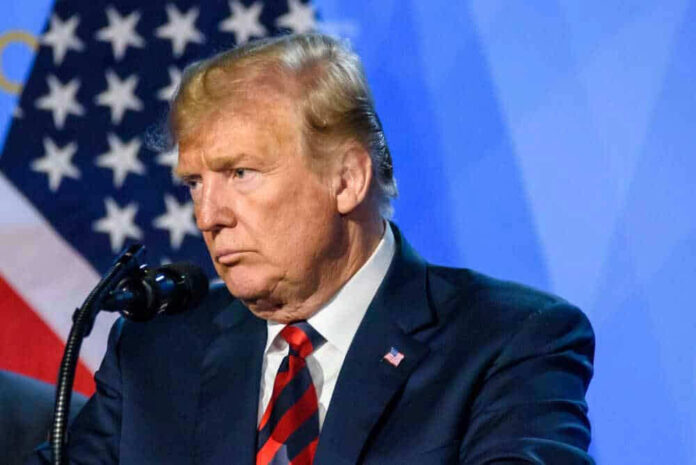
President Trump did not parachute in for a quick photo-op, nor did he hide behind a wall of bureaucrats. Instead, he and First Lady Melania Trump walked the devastated streets of Kerrville, meeting families and comforting survivors.
This wasn’t the usual detached D.C. show. As Trump put it, “everyone did an incredible job, under the circumstances”—a refreshing contrast to the blame games and finger-pointing that usually follow disasters. The media, predictably, tried to stir up outrage about the federal response, but Trump shot back, calling the criticism “evil” and focusing the narrative on action, not accusations.
Federal resources were deployed immediately, with FEMA and over 2,100 responders working alongside state and local agencies to search for the more than 170 initially reported missing and to care for the survivors. The president’s visit brought a jolt of urgency and accountability to federal operations, and it sent a clear message: Texas is not alone, and the days of D.C. ignoring heartland America are over.
Federal-State Partnership—Not Political Games
Governor Greg Abbott and Rep. Chip Roy, whose district bore the brunt of the devastation, stood shoulder to shoulder with the president and FEMA officials. Both men called for unity and rejected the media circus that seems more interested in scoring political points than helping families rebuild. “Now is not the time to point fingers,” Roy declared, echoing the frustration of Texans who just want their leaders to get things done.
The coordinated response between state and federal agencies was a rare display of government doing what the Constitution actually intended—serving the people, not the donors, not the activist class, and certainly not the army of unelected bureaucrats who think they know better than local communities.
The disaster response included immediate search and rescue, deployment of temporary housing, and the beginnings of long-term rebuilding efforts. What’s most telling is that while some in the media and political opposition howled about “systemic weaknesses” and “climate resilience,” Trump and his team focused on the only thing that matters in a crisis: results, not rhetoric.
Accountability, Constitutionality, and the Real Lessons
This flood, like the Memorial Day floods in 2015 and Hurricane Harvey in 2017, exposed the limits of even the best-prepared communities. But unlike previous disasters, the response this time has centered on practical action and constitutional authority. Trump made it clear that disaster relief and emergency powers should serve citizens, not be leveraged for backdoor power grabs or to funnel money into pet projects. Federal and state leaders worked within their roles—no overreach, no grandstanding, just boots on the ground and resources where they are actually needed.
The tragedy has reignited debate over infrastructure, warning systems, and the role of government in preparing for and responding to disasters. But the overwhelming feeling among Kerrville residents was gratitude, not just for the help, but for being heard and respected by the highest office in the land. The most important lesson: when government respects the Constitution, works with—not over—states, and ignores media theatrics, real recovery is possible.