
A family outing on a sunny San Francisco afternoon ended with a triple-deck pontoon boat sinking near Alcatraz Island, leaving one person dead and three missing as the story shifted in real time from “fire” to “capsize.”
Story Snapshot
- Boat carrying mostly family members capsized about 600 yards from Alcatraz Island, killing one person and leaving several missing
- Reports bounced between “boat fire” and “sinking pontoon” as casualty numbers changed during the rescue
- At least 19 people were on board; 16–17 were pulled from the water alive, some badly hurt
- Officials launched a large multi-agency search with 11 vessels while still unsure what caused the disaster
A sunny family trip that turned into a mass rescue
The boat carried mostly family members out for what should have been a simple day on San Francisco Bay, in the busy stretch between Alcatraz Island and the Golden Gate Bridge.
A triple-deck pontoon vessel with around 19 to 20 adults on board was cruising that Tuesday afternoon when something went very wrong near the island. Within minutes, a pleasure trip turned into people fighting for their lives in cold, choppy water.
San Francisco Fire Department officials say the emergency call came in a little after 3:30 p.m., reporting a boat in trouble roughly 600 yards off Alcatraz.
First reports used the most dramatic word people know on the water: “fire.” TV anchors repeated that phrase, social media blasted “boat fire near Alcatraz,” and even some crews arriving expected to see flames. Instead, they found a sinking pontoon, people in the bay, and chaos on three decks collapsing into the waves.
What we know for sure amid changing numbers
Across the swirl of headlines, several core facts have stayed solid. Fire officials and the United States Coast Guard agree that about 19 people were on the boat when it got into trouble.
A San Francisco fire lieutenant said crews rescued 17 people from the water at one point, while other reports from the same afternoon locked on 16 survivors with one dead and up to three missing. The numbers moved because rescuers were still counting, treating, and tracking people in real time.
One person is dead and three others are missing after a boat with more than a dozen passengers aboard capsized and sank in San Francisco Bay near Alcatraz Island on Tuesday, according to local authorities. @TrevorLAult reports. pic.twitter.com/Lt3wKGMfcK
— Good Morning America (@GMA) July 15, 2026
One victim was pulled from the boat in critical condition. Crews began cardiopulmonary resuscitation immediately and rushed the person to shore, where they were declared dead at Gashouse Cove Marina.
Several others went to local hospitals with injuries from the fall and exposure to the bay’s cold water. At least a dozen more survivors were taken to shore at Fort Mason, shaken but alive. The human cost went beyond people; officials confirmed that a dog on board also died during the incident.
Fire, capsizing, and the media fog of war
Early coverage pushed a strong “boat fire” story. National outlets, local stations, and countless social posts said the pontoon “caught fire” near Alcatraz, some even calling it an “explosion,” and framed the sinking as the result of that blaze.
That framing fits a common pattern in marine accidents, where smoke, panic, and a fast loss of control get labeled as “fire” before any hard evidence exists. Once that word takes off, it sticks in people’s minds even if later facts do not support it.
San Francisco Fire Chief Dean Crispen eventually stood in front of cameras and pushed back. He said there was no confirmed evidence yet that his firefighters or police officers ever saw active flames, even though the original dispatch described a boat fire. He described a triple-deck pontoon that capsized and sank, and he warned reporters that the exact cause was still unknown.
That is classic investigation language: do not jump ahead of the facts. For those of us who value common-sense reporting, this is the kind of steady correction we should want from officials.
A massive search with unanswered questions
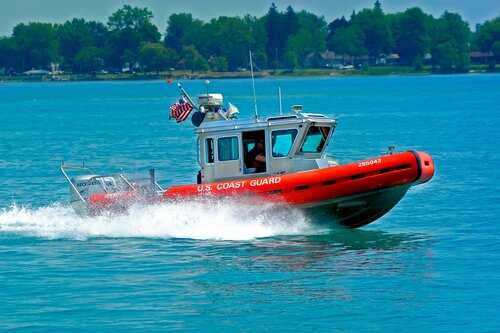
While the narrative shifted, the rescue effort did not. Fire officials reported 11 vessels combing the area for the missing passengers. The United States Coast Guard applied its search and rescue modeling to track likely drift patterns as afternoon turned to dark water and falling temperatures.
Three people remained unaccounted for in some of the most busy, yet unforgiving, urban waters in America. Every hour mattered, and crews told reporters they expected to search “for hours” hoping to find the missing alive.
1 dead and 2 missing after pontoon boat fire near Alcatraz Island off San Francisco https://t.co/hpqxgSAUT4
— Zennie Abraham ZENNIE62 #NFL #NFLDRAFT #SDCC #OAK (@ZennieAbraham62) July 15, 2026
The hard truth is that key details are still unresolved. Officials say they do not yet know if fire, mechanical trouble, an explosion, or simple instability caused the pontoon to capsize. They have not publicly confirmed how many passengers wore life jackets, or whether weight on the three decks played a role in the sinking.
For a culture that likes quick blame, that delay feels slow. But serious marine investigations, from Japan to Canada to major cargo lines, show that it takes time to separate rumor from real failure points.
Why this local disaster deserves clear, honest answers
Many readers will see this as “just” a freak boating accident. Yet the way this story unfolded says something bigger about how we handle risk, truth, and trust. A family gathering on a pleasure craft turned into a fatal capsizing a short ride from one of America’s best-known tourist sites. Media outlets raced ahead with dramatic language.
Social accounts amplified the worst version of events. Officials then had to claw back public understanding with calmer statements and slow, careful data. That gap is where trust breaks.
What happens next matters. A full investigation will need passenger interviews, a close look at the vessel’s maintenance records, and a forensic study of the wreck once it is raised. That process should answer basic questions: Was the boat overloaded? Did a small fire start and get confused with smoke and panic?
Did something break on a triple-deck pontoon that was never built for that many adults? Whatever the results, the people who stepped onto that boat trusted that someone made sure it was safe. Honoring them now means, at minimum, telling the full truth about why it was not.
Sources:
youtube.com, abcnews.com, timesnownews.com, cbsnews.com, facebook.com, wtop.com, instagram.com, tmz.com, straitstimes.com