
President Trump just told two of America’s biggest oil companies they got too rich off a war his own administration has been fighting.
Story Snapshot
- Trump said Exxon and Chevron made “too much money” during the Iran conflict and told reporters, “I don’t like it.”
- Chevron’s profit jumped nearly 400% to $12 billion, while Exxon’s profit more than doubled to $14.5 billion.
- Trump called on both companies to cut retail gas prices and “give some of that back to the public.”
- Oil prices spiked after fighting disrupted supply routes, including the Strait of Hormuz.
Trump Confronts Oil Giants Over Record Earnings
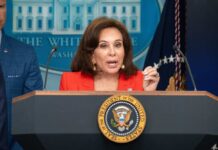
Speaking to reporters at the White House on Monday, President Trump singled out ExxonMobil and Chevron for their second-quarter results. “They’re making too much money based on a shortage,” he said, adding plainly, “I don’t like it”.
The comment marked a sharp break from Trump’s usual friendliness toward the oil industry, an alliance that has defined much of his energy policy since returning to office.
President Trump says that despite high oil prices, companies like Chevron and Exxon Mobil are making "too much money," amid the U.S. — Iran war: "I don't like it… They ought to give some of that back to the public." pic.twitter.com/pcYg3BlsRf
— CSPAN (@cspan) August 3, 2026
Trump did not stop at criticism. He pushed the companies to lower prices at the pump and share their windfall with everyday drivers. “They ought to give some of that back,” he said from the Oval Office, framing it as a matter of fairness for Americans paying more at the gas station. It’s a fair ask from a president watching his own base feel the pinch of higher fuel costs.
The Numbers Behind the President’s Anger
The profit figures explain why Trump reacted the way he did. Chevron reported its largest quarterly net profit ever, $12.1 billion, while Exxon posted $14.5 billion, more than double what it earned the same quarter a year earlier.
Combined, the two companies’ net earnings jumped 316% from the previous quarter to roughly $26.6 billion. That kind of jump is hard to explain away as routine business.
Crude oil prices climbed sharply after the conflict with Iran disrupted global supply, with U.S. crude averaging around $95 a barrel between March and June, up from about $66 before the war began.
Higher crude prices lift both the price oil companies get for a barrel and the margins refiners earn turning it into gasoline, which is why profits can surge even when a company hasn’t changed how it operates.
A Notable Reversal From Earlier in the Year
Trump’s tone has shifted since the conflict started. Back in March, he celebrated rising oil prices, telling reporters at the time, “We make a lot of money”.
Now, with consumers grumbling about gas prices and his own approval numbers tied to affordability, the president is putting public pressure on the same industry he once praised. That’s not hypocrisy so much as a president responding to what voters are actually feeling at the pump.
Democrat lawmakers have raised similar concerns, though from a different angle. Senators Elizabeth Warren and Sheldon Whitehouse sent a letter to oil executives last month arguing that American families are paying steep prices while the industry collects what they called windfall profits. Trump’s complaint lands in similar territory, even if his politics and theirs rarely overlap.
What Happens Next Remains Unclear
Neither Exxon nor Chevron has announced plans to cut retail prices or return profits directly to consumers in response to Trump’s comments. Oil companies have historically resisted price controls, arguing that crude costs are set by global markets, not boardroom decisions.
Exxon’s own second-quarter report noted its profit came from a mix of higher crude prices and stronger refining margins tied to the supply disruption, not a change in company strategy.
Whether Trump follows his public scolding with actual policy, like a windfall profits tax or new pressure on refiners, is the open question now facing the industry.
For a president who built political capital on cheap energy promises, the optics of oil companies cashing in during wartime is a problem he can’t easily ignore, even if the market forces behind it are largely outside his control.
🇺🇸⛽ BREAKING NEWS: U.S. gasoline prices have surged over 37% since the Iran war began in late February , with the national average reaching approximately $4.10 per gallon — a jump from around $2.98 before the conflict .
🏛️💰 President Trump has publicly condemned ExxonMobil… pic.twitter.com/9YzptTSssE
— The World Correspondent (@TheWorldCorresp) August 4, 2026
For now, the standoff sits mostly in the realm of public pressure rather than formal action. Trump has the bully pulpit and a frustrated public behind him, while Exxon and Chevron have quarterly reports that speak for themselves. How that tension resolves will shape gas prices and political messaging heading into the fall.
Sources:
aol.com, theguardian.com, en.sedaily.com, cnbc.com, nypost.com, ft.com, wsj.com