
A divided federal court just told the Trump administration it went too far when it tried to kill a multibillion‑dollar clean energy fund midstream.
Story Snapshot
- A federal appeals court ruled the administration acted improperly when it terminated a major clean energy grant program.
- The fight centers on the Greenhouse Gas Reduction Fund, about $20 billion aimed at local climate and energy projects.
- The court said the Environmental Protection Agency (EPA) could not simply freeze or claw back money after Congress and prior officials approved it.
- The ruling fits a broader pattern of courts warning presidents that “I changed my mind” is not a legal reason to cancel signed grants.
How a climate fund turned into a constitutional tug‑of‑war
The Greenhouse Gas Reduction Fund started as a simple idea: use billions in federal dollars to help communities build cleaner power, cut emissions, and lower energy bills.
The previous administration picked nonprofit groups such as Climate United Fund to run much of the money and channel it into local projects.
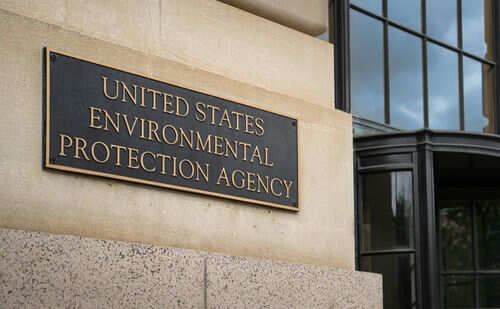
When President Trump took office for his second term, his team moved fast to slam the brakes, ordering the Environmental Protection Agency to freeze and terminate the awards.
The nonprofits did not just complain in the press. They sued. Their basic argument was straightforward: Congress created this program in law, the government signed binding grant agreements, and many groups had already lined up projects, jobs, and private financing.
In their view, this was no longer a loose policy idea. It was a set of commitments the government had no right to yank away just because a new team disliked the climate agenda.
Divided federal appeals court says Trump administration was wrong to terminate climate funds https://t.co/vLu9xMQAEH
— The Washington Times (@WashTimes) August 5, 2026
What the appeals court actually decided about the EPA’s power
The legal fight ping‑ponged for months. A three‑judge panel on the United States Court of Appeals for the District of Columbia Circuit first sided with the administration and said the district court had gone too far when it blocked the termination.
That panel treated the case mostly like a contract dispute about money, better suited for the Court of Federal Claims, and it let the Environmental Protection Agency move forward with its freeze and attempted clawback of funds.
Then the full appeals court stepped in and changed the story. In August 2026, a divided court held that the administration had improperly terminated the climate program and could not simply freeze the grants.
Reports on the decision say the majority stressed that the Environmental Protection Agency cannot undo billions in awarded funding “based solely on a policy disagreement” with how a prior administration designed the program. That phrase matters, because it draws a bright line between fixing fraud and just flipping policy.
Why judges are wary of political grant cancellations
This ruling did not happen in a vacuum. Earlier in 2026, a federal judge in Washington, D.C., ruled that the Trump administration acted illegally when it canceled $7.6 billion in separate clean energy grants to sixteen Democrat‑led states.
In that case, the court found that the Department of Energy targeted states that backed Kamala Harris in 2024, and that the cancellations violated the Constitution’s promise of equal protection for all states, not just the ones a president prefers. The administration even admitted in court papers that those grants were pulled “based solely on the political identity” of the states involved.
Limited government does not mean letting Washington punish disfavored voters with the federal checkbook. It means writing clear rules, following them, and treating similar states and groups the same way even when their politics clash with the White House.
The bigger lesson about Congress and contracts
Behind the legal jargon sits a basic rule that fiscal hawks on the right used to fight for: when Congress passes a law and funds a program, a president does not get a blank check to cancel it later just because he thinks it is wasteful or “woke.”
The Government Accountability Office has long warned that agencies cannot use appropriated money to kill a mandatory program that Congress told them to run. If lawmakers want the program dead, they can vote to end it.
🚨 THE EN BANC REVERSAL: EN BANC D.C. CIRCUIT REJECTS TRUMP ADMINISTRATION'S CANCELLATION OF MULTI-BILLION DOLLAR 'GREEN BANK' CLEAN ENERGY FUNDS! 🚨
A major judicial blow has hit the administration’s environmental deregulatory initiative! In a split 6–4 ruling, the full U.S.… pic.twitter.com/avRc8WehZE
— Boardroom Patriot (@nwmsound) August 5, 2026
Courts in other grant cases have started drawing the same line. One decision held that agencies cannot twist boilerplate “termination for convenience” language into a tool to cancel grants based on new policy priorities that appeared after awards went out.
That view fits with basic contract fairness. If the government tells towns, churches, and small businesses “go hire people, build projects, and spend money,” it should not be free to change its mind later and leave them holding the bag.
What this means for future presidents and for your tax dollars
The split nature of the latest appeals court ruling matters. Some judges clearly accept the Trump administration’s view that these grants look like contracts, and that the proper remedy is a money fight in the Court of Federal Claims, not an emergency order forcing the Environmental Protection Agency to keep paying. That approach focuses on protecting the Treasury first and may tempt future presidents of both parties to push the edge again.
The majority, however, sent a sharper message: once the federal government signs onto a Congressionally authorized program and disburses funds, it cannot treat those commitments like a campaign promise it can simply walk away from. For taxpayers, that can be a good thing.
Stable rules make it harder for any president to use climate money, or any other grant pool, as a weapon against political opponents. The fight over this climate program is really a fight over whether the rule of law still beats raw political muscle in Washington.
Sources:
apnews.com, epa.gov, aljazeera.com, jurist.org, law.justia.com, smartcitiesdive.com, abcnews.com, eenews.net, winstontaylor.com, gao.gov