
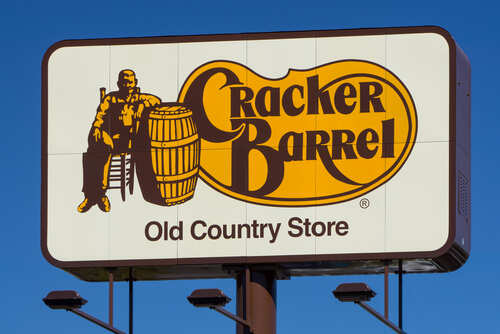
Cracker Barrel is betting on better dinner plates and a lighter balance sheet to reset its future.
At a Glance
- The chain will upgrade chicken, hamburger, and steak dinners to boost evening traffic.
- A 26-store sale-leaseback generated about $77 million in net cash.
- Management directed proceeds to reduce debt and strengthen the brand.
- Total debt ended fiscal 2026 at $337.2 million, down from $484.6 million.
What Changed: Better Dinners And A Real Estate Deal
Cracker Barrel said dinner is its biggest opportunity. Leaders plan to upgrade three staples: chicken, hamburger, and steak. The goal is simple—win back the evening crowd and raise the average check with food that tastes better and feels worth the trip.
At the same time, the company closed a sale-leaseback on 26 stores. It sold the properties, leased them back, and kept operating the restaurants while unlocking cash for the balance sheet.
Cracker Barrel upgrading 3 popular dinner items as chain completes 26-store property deal https://t.co/0WuaCDL4IB
— FOX Business (@FoxBusiness) September 23, 2026
The transaction delivered about $77 million in net proceeds, according to company releases and filings. Cracker Barrel said it would put the money toward debt reduction, and later described the proceeds as deployed for that purpose.
Management also highlighted a tax angle: the deal lets the company use capital loss carryforwards that would have expired without action, which improves after-tax economics.
Why It Matters: Turning Product And Balance Sheet At Once
Restaurant chains often pair menu upgrades with financial moves when growth is mixed. Cracker Barrel is following that playbook. Better proteins at dinner can lift guest satisfaction and drive repeat visits.
The sale-leaseback converts brick and mortar value into cash without shutting any doors. That cash cut reported debt and can relieve pressure from interest and refinancing needs. The company framed the steps as strengthening the core brand and setting a base for growth.
The company ended fiscal 2026 with total debt of $337.2 million, down from $484.6 million a year earlier, according to its results summary.
Fox Business also reported leaders tied the proceeds to paying down debt and partly offsetting the repayment of older convertible notes that matured in June, which matches a focus on cleaning up obligations while keeping stores running. Those moves tell a clear story: keep the guest promise hot while the ledger cools down.
Dinner Is The Prize, But Details Still To Come
Management spotlighted dinner as the biggest chance to gain ground. That makes sense. Dinner tends to carry higher checks and heavier proteins that shape a brand’s reputation. Chicken, hamburgers, and steak anchor that meal for most guests.
The company did not outline exact recipe changes or timelines in public materials. That leaves room for testing and rollouts, but the direction is clear: invest in quality where it moves the needle most.
$CBRL Q4 2026 earnings: Margin gap closed and debt cut; FY27 guide restores lost ground
Revenue fell 2.2% to $849.3 million. Restaurant comps fell 2.1% against a 5.4% gain a year earlier; retail comps turned positive. Excluding $9.1 million of net tariff refunds, adjusted EBITDA… pic.twitter.com/2xqBQpYEXv
— Finsee (@Finsee_main) September 23, 2026
Smart operators meet customers where decisions happen—on the plate. Upgrading core proteins can reset value perception fast if execution lands.
If guests taste improvement at dinner, traffic can rise without gimmicks. That is more durable than coupons. It also respects the brand’s roots—simple, hearty meals done right—while aiming at modern expectations on flavor, consistency, and speed.
The Trade-Offs: Cash Today, Rent Tomorrow
Sale-leasebacks are a normal tool in retail and dining. A company sells property, signs a long-term lease, and keeps using the site. This frees cash for debt paydown or reinvestment, while rent replaces prior ownership costs.
Cracker Barrel emphasized tax efficiency and debt reduction here. That message fits a turnaround rhythm. The one trade-off worth watching is future rent obligations that now sit beside remaining debt. Strong dinner traffic can make that trade worth it.
Cracker Barrel’s sequence—unlock cash, cut debt, and upgrade dinner—shows a tight, focused plan. The numbers support the financial side, with lower year-end debt and proceeds directed to reduction. The food side will show itself in guest response over the next seasons.
If steak gets juicier, chicken more tender, and burgers more craveable, the balance sheet math gets easier. When quality improves, customers notice, and cash flow follows.
Sources:
foxbusiness.com, investor.crackerbarrel.com, morningstar.com, sec.gov, prnewswire.com