

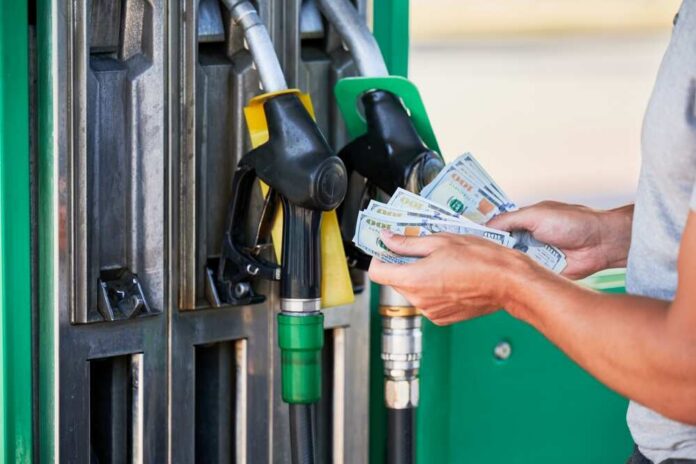
America’s average gas price slipped to $3.98, a clean break below $4 for the first time since midsummer.
Story Snapshot
- AAA put the national average at $3.9788 on November 10, 2026.
- CNBC reported a drop of about 17 cents in a week and 39 cents in a month.
- Energy Information Administration pegged the week at $3.995, confirming a sharp slide.
- Local pump prices still vary widely across regions and states.
Below $4: What Happened And When It Hit
Drivers woke up November 10 to a national average under $4 per gallon. American Automobile Association listed $3.9788 that morning, marking the first sub-$4 reading since July, and matching a brisk one-month fall that had built steam through early November. CNBC pegged the drop at roughly 17 cents over the prior week and 39 cents over the month, a rare quick reset for a headline price many families watch every day.
The Energy Information Administration’s weekly data for regular gasoline landed at $3.995 for the week ending November 9. That marked a steep two-week move from $4.269 on October 26 and $4.153 on November 2. A weekly average smooths daily noise, so the fact it brushed $4 shows how broad the decline had become by early week. Several outlets echoed the sub-$4 mark around the same time, citing American Automobile Association’s reading and keeping the signal from being a one-off blip.
How Big The Drop Feels Depends On Your Zip Code
The national average is a scoreboard, not your street corner. Prices swing by region due to taxes, refinery access, and local rules on fuel blends. On the same day the national line slipped under $4, parts of Pennsylvania still hovered near $4.20, a reminder that relief spreads unevenly across the map and often arrives later in supply-constrained areas. That gap does not negate the milestone; it explains why some households feel little change while others notice right away.
Conservative sense says judge results by real-life impact, not only headlines. Families care about dollars per gallon and how far a paycheck goes. A national average under $4 is progress. But many drivers still face higher-than-usual prices for November. The weekly federal average around $3.995 sat well above the prior year’s level, so households have not returned to earlier comfort zones yet. Calling this a turning point may be fair; calling it full relief would be a stretch.
Why Prices Fell: Seasonal Drift Meets Supply And Margins
Gasoline prices usually cool as summer driving fades and cheaper winter fuel blends return. The Energy Information Administration long shows this pattern: spring and summer tend to rise; late fall and winter tend to fall. Crude oil prices, refinery runs, inventories, and retail margins do the heavy lifting behind the scenes. When crude eases and refiners rebuild stocks, retail prices often follow with a lag, especially as competition at the pump compresses margins.
Policy headlines may grab attention, but markets set the meter. Retail gasoline reflects four main pieces: crude costs, refining costs and margins, distribution and retail margins, and taxes. The first two swing the most, which is why global oil shifts and refinery conditions often show up first in wholesale prices and then at your station. These forces align with the fast slide into early November and help explain the timing without pinning it on a single actor or event.
What To Watch Next: Staying Power And Spread
Two questions matter now. First, will the price hold under $4 as winter deepens? If crude stays stable, refiners keep utilization high, and inventories rise, sub-$4 can persist. A surprise outage, shipping snag, or crude spike can erase the gains just as fast. Second, will relief spread? States with higher taxes or long supply lines may lag. Track American Automobile Association’s daily read and the Energy Information Administration’s weekly series to see if the dip becomes a floor rather than a fleeting line.
Gas prices drop below $4 a gallon for first time since July, after Trump signal no Iran strikes anytime soon https://t.co/PBCll08uIG pic.twitter.com/jBR9pWWPts
— New York Post (@nypost) November 10, 2026
Common sense for household planning applies. Do not chase the last penny by driving across town. Use local averages to set your range and fill when prices flatten for several days. If you run a small fleet, lock in savings with simple steps: maintain tire pressure, avoid idling, and plan routes to reduce backtracking. Those moves pay off whether gas holds at $3.98 or bounces above $4 again.
Bottom Line: Real Milestone, Measured Expectations
November 10 delivered a clear marker. The national average slipped below $4, and both daily and weekly data confirm a meaningful slide into early November. The milestone is real. The relief is uneven. The trend has promise but needs time to prove it will last. Keep eyes on the numbers, not the noise. Let the fundamentals call the next inning, and your wallet will feel the score soon enough.
Sources:
cnbc.com, cnn.com, nprillinois.org, gasprices.aaa.com, eia.gov, pennlive.com